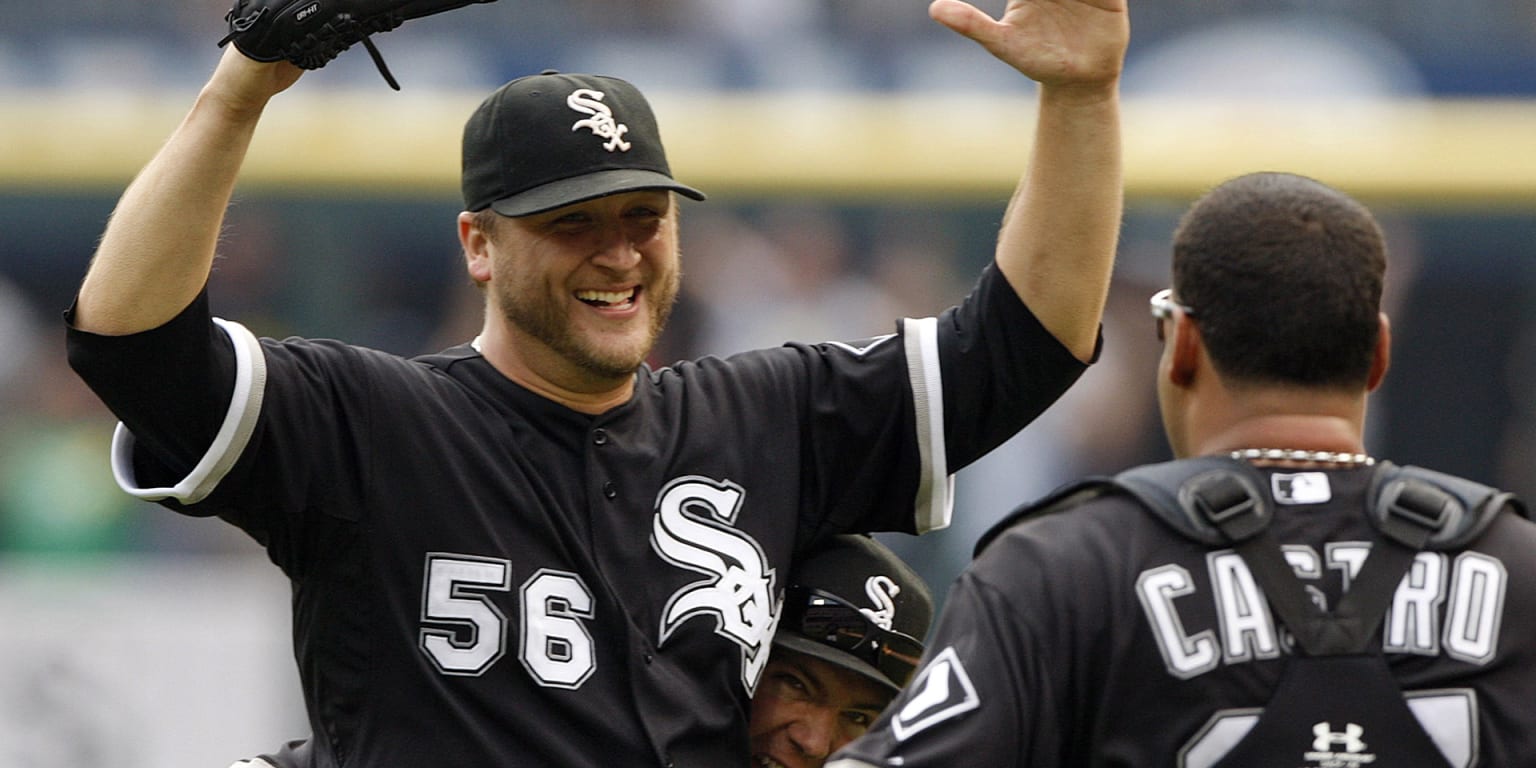
Mark Buehrle: A Case for the Hall of Fame Built on consistency and Craft
Mark Buehrle wasn’t a flamethrower, nor did he rely on overwhelming stuff. Instead, he built a remarkable 16-year career on consistency, intelligence, and an uncanny ability to get crucial outs when they mattered most. This article delves into why Buehrle deserves serious consideration for baseball immortality, examining the statistics and nuances that elevate him beyond a simply durable pitcher.
Mastering the Art of Run Prevention
At its core, pitching is about preventing runs. Buehrle excelled at this, compiling a career defined by longevity and efficiency. He logged over 3,283 innings, a testament to his durability and ability to consistently take the ball. But what truly set him apart wasn’t just how much he pitched, but how he pitched.
Buehrle’s success wasn’t about dominating hitters with strikeouts. He finished with 1,870 strikeouts, a number that, coupled with his 1.28 career WHIP, presents a unique statistical profile. Actually, only nine Hall of Famers have reached the Hall with similar strikeout totals and WHIP figures – and the most recent debuted in 1941.
A Specialist in the Double Play
While Buehrle’s groundball rate was league average,his ability to induce groundballs when needed was exceptional. You might be surprised to learn he forced hitters into a staggering 362 double plays. This ranks fourth all-time since 1974, trailing only Greg Maddux (422), Tom Glavine (421), and Andy Pettitte (363).
This skill, the ability to get a groundball in a critical situation, is a hallmark of a truly savvy pitcher. It’s a subtle art, and Buehrle mastered it.
Controlling the Running Game
Beyond preventing hits, Buehrle was a master at controlling the running game. He picked off an remarkable 102 baserunners throughout his career. This places him fourth all-time since 1974, behind only Steve Carlton (118), Mark Langston (105), and Andy Pettitte (103).
Controlling the running game is often overlooked, but it’s a crucial element of pitching success. It keeps runners honest, disrupts offensive rhythm, and adds another layer of difficulty for opposing hitters.
Historic Moments and Lasting Impact
Buehrle’s career wasn’t just about consistent performance; it was punctuated by unforgettable moments.These milestones add weight to his Hall of Fame case.
* 2005 ALCS Game 2: A complete-game victory against the Angels, contributing to the White Sox’s World Series championship.
* April 18,2007: A no-hitter against the Rangers,highlighted by a pickoff of Sammy Sosa after a rare walk.
* July 23, 2009: A perfect game against the Rays, retiring all 27 batters he faced.
Buehrle is one of only 23 pitchers to throw a perfect game, and one of just seven to achieve both a perfect game and a no-hitter. He joins an elite group including Sandy koufax, Cy Young, Roy Halladay, Randy Johnson, Jim Bunning, and Addie Joss. Notably, all six of those pitchers are enshrined in Cooperstown.
Why Buehrle Deserves Your Consideration
buehrle’s case isn’t about overpowering stuff or gaudy strikeout numbers. It’s about a pitcher who consistently delivered, controlled the game, and rose to the occasion when it mattered most. He represents a different era of pitching, one built on finesse, intelligence, and unwavering consistency.
When you consider his statistical achievements, his impact on winning teams, and his place among baseball’s most exclusive pitching clubs, it becomes clear that Mark Buehrle deserves a serious look from the Hall of Fame voters. He wasn’t just a good pitcher; he was a craftsman of his art, and his legacy deserves to be