
Canadian Prime Minister Mark Carney signaled a potential shift in foreign policy on Thursday, stating that Canada should consider reopening its embassies in Iran and Venezuela. Addressing the logistical and humanitarian challenges posed by the current lack of diplomatic representation, Carney emphasized that maintaining a physical presence in foreign nations serves as a tool for consular assistance rather than an endorsement of local government policies.
The Prime Minister’s remarks come as his administration evaluates its approach to global engagement. Currently, Canada maintains no diplomatic missions in either Tehran or Caracas, a status that has persisted for several years due to previous government decisions and deteriorating bilateral relations. Carney noted that while no final decision has been reached, the status quo hinders the government’s ability to fulfill its core responsibilities to Canadian citizens abroad.
Historical Context of Diplomatic Closures
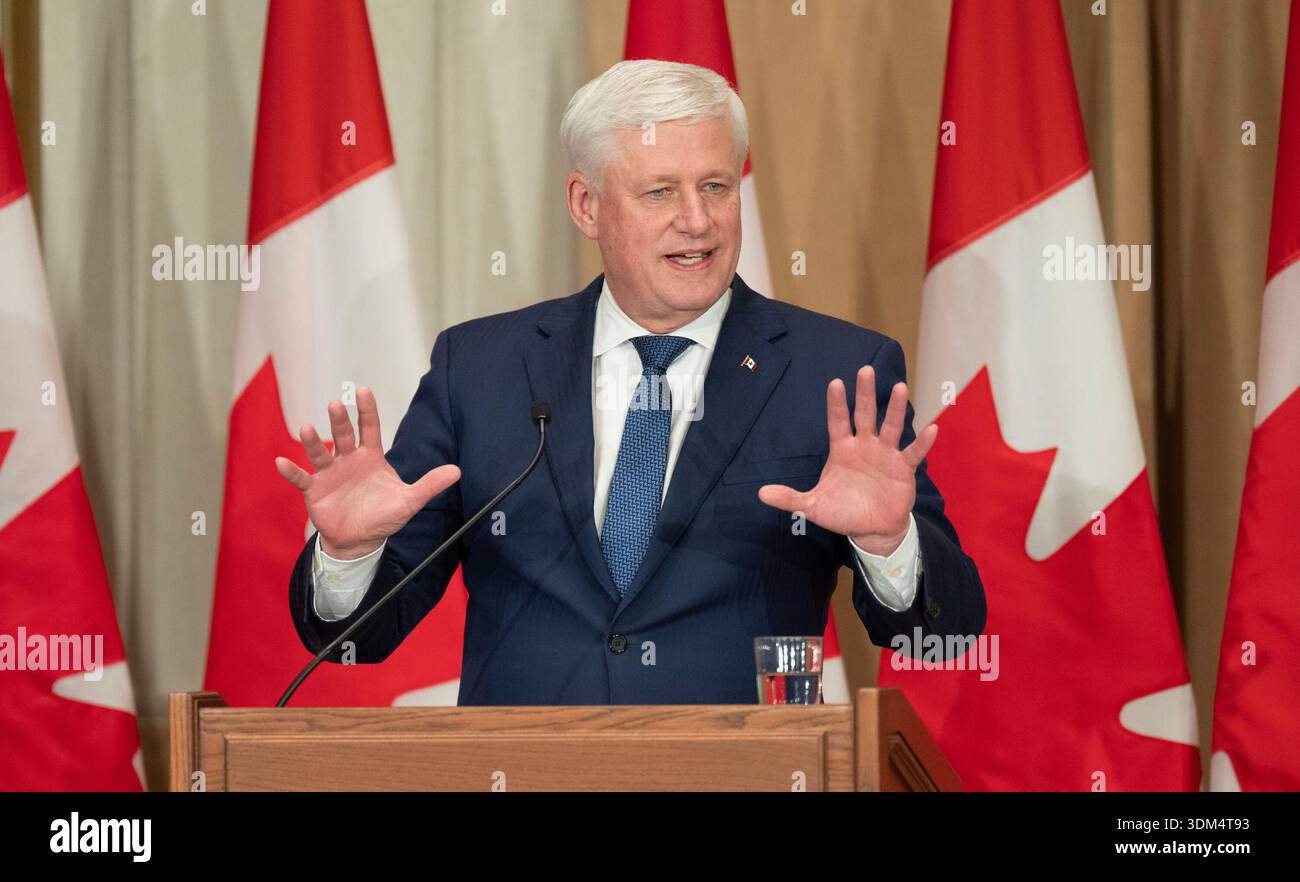
Canada’s absence from Iran dates back to September 2012, when the government of then-Prime Minister Stephen Harper formally severed diplomatic ties. At that time, the Canadian government closed its embassy in Tehran, expelled Iranian diplomats, and designated the Islamic Republic as a significant threat to global peace, according to Global Affairs Canada records. This policy marked a sharp departure from traditional diplomatic engagement and has remained in effect for over a decade.
The situation regarding Venezuela is more recent. In 2019, Canada suspended operations at its embassy in Caracas. The move followed the government’s decision to withhold recognition of the administration of Nicolás Maduro, citing concerns over the legitimacy of the electoral process and the subsequent refusal by Venezuelan authorities to renew the visas of Canadian diplomatic staff, as reported by the Canadian Broadcasting Corporation.
Humanitarian and Consular Considerations
Carney argued that the lack of an on-the-ground presence creates a fundamental disadvantage in responding to emerging crises. Specifically, he pointed to the humanitarian challenges in Venezuela, suggesting that a lack of local representation limits Canada’s capacity to provide timely or effective assistance during natural disasters, such as recent earthquake activity in the region. The Prime Minister framed the issue as a matter of government functionality rather than political alignment.
“Engagement is not endorsement,” Carney stated during his remarks on Thursday. He underscored that the primary objective of reopening these missions would be to provide essential consular services to Canadians who may be living, working, or traveling in these territories. By maintaining no presence, the government effectively removes its ability to offer direct support in emergency situations, which Carney characterized as a failure to meet a basic obligation of the state.
International Consultations and Future Policy
The discussion regarding diplomatic re-engagement coincides with broader efforts to coordinate foreign policy with key international partners. Carney confirmed that he held a conversation with U.S. President Donald Trump on Wednesday to discuss the upcoming NATO summit. The call, which also involved U.S. Defense Secretary Pete Hegseth, included a review of the current geopolitical climate in the Middle East and the status of international relations with Iran.
While the Prime Minister acknowledged that there were historically significant reasons for the closures, he indicated that his government must reassess whether these policies continue to serve the national interest. As of this week, no formal timeline for the reopening of missions has been announced, and the administration has not released a specific strategy for navigating the complex diplomatic hurdles involved in restoring ties with the current regimes in Tehran and Caracas.
The government is expected to provide further updates on its foreign service priorities following the scheduled NATO summit next month. For those seeking information on current travel advisories or emergency assistance, the Government of Canada’s official travel website remains the primary resource for citizens abroad.
We invite our readers to share their perspectives on this proposed shift in Canadian foreign policy in the comments section below. Further updates will be provided as official policy documents are released.
Keep reading