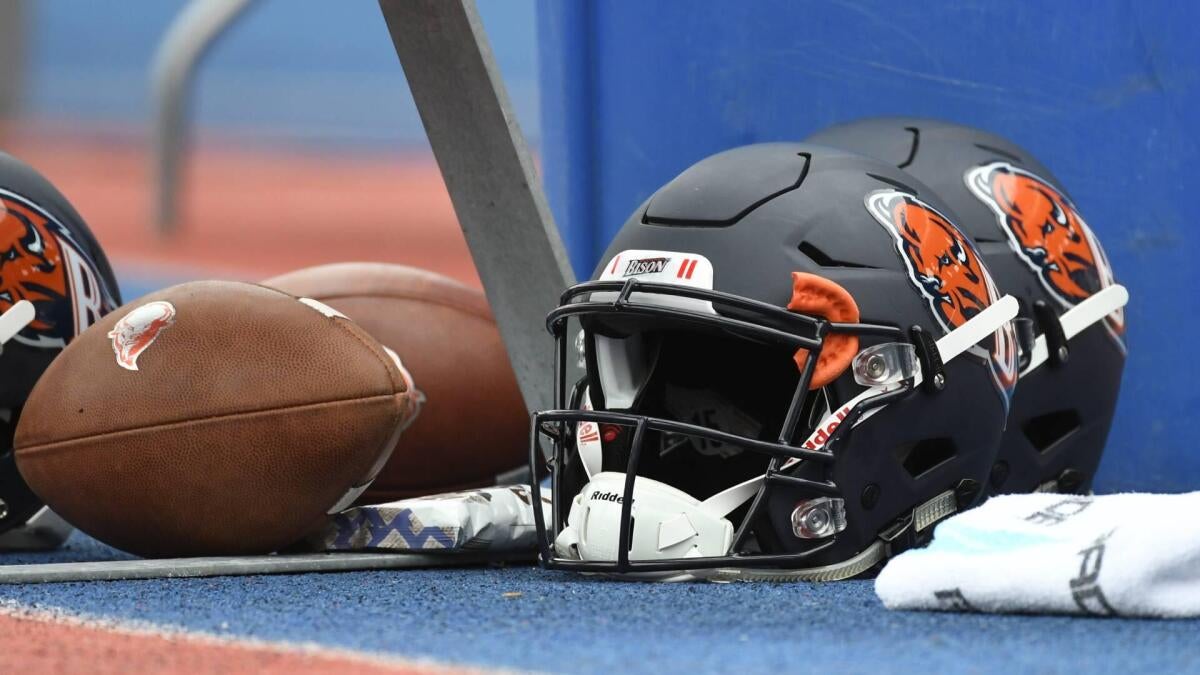
Former Bucknell University strength coach Mark Kulbis faces a felony charge of aggravated hazing following the death of freshman football player Calvin “CJ” Dickey Jr. in 2024, according to charges filed in Pennsylvania. Kulbis is also charged with misdemeanor counts of involuntary manslaughter, reckless endangerment, and hazing in connection with the incident.
The charges stem from an investigation into the circumstances surrounding Dickey’s death, which occurred during the 2024 academic year. The legal proceedings are unfolding in the Pennsylvania court system, where prosecutors are alleging that the actions of the strength and conditioning staff contributed to the student-athlete’s passing.
Calvin “CJ” Dickey Jr. was a freshman member of the Bison football team. The case has drawn significant attention to the culture of collegiate athletic programs and the legal responsibilities of staff members overseeing player conditioning and wellness.
What are the specific charges against Mark Kulbis?
Mark Kulbis faces a tiered set of criminal charges. The most severe is the felony count of aggravated hazing. Under Pennsylvania law, aggravated hazing occurs when a person intentionally or recklessly engages in hazing that causes serious bodily injury. According to court records and reporting from the Associated Press, this felony charge is the primary focus of the prosecution’s case.
In addition to the felony charge, Kulbis is facing three misdemeanor counts. These include involuntary manslaughter, which generally applies when a death results from negligence or recklessness, and reckless endangerment. The final misdemeanor charge is a standard count of hazing. These charges suggest that investigators believe the conduct of the strength coach deviated from standard safety protocols and professional norms.
The legal distinction between the felony and misdemeanor charges is significant. A conviction on the felony aggravated hazing charge carries substantially heavier penalties, including potential prison time and a permanent felony record, whereas the misdemeanors typically involve fines or shorter jail terms.
How did the death of CJ Dickey Jr. occur?
The investigation centers on activities associated with the Bucknell football program’s strength and conditioning regimen. While the specific medical details of the death are often protected by privacy laws during active litigation, the charges of “reckless endangerment” and “involuntary manslaughter” indicate that the death was not viewed as a natural occurrence but as the result of specific actions or omissions by staff.
The case is part of a broader scrutiny of “hazing” within sports, which the law defines as any action intended to humiliate, degrade, abuse, or harass a person as a condition of initiation into a group. In this instance, the prosecution alleges that the activities overseen by Kulbis crossed the line from athletic training into illegal hazing practices that proved fatal for the freshman player.
Bucknell University has previously stated it is cooperating with law enforcement and internal reviews to determine how the tragedy occurred. The university’s athletic department is under pressure to explain the oversight mechanisms that were in place during the 2024 season.
What is the legal precedent for hazing charges in college sports?
This case follows a pattern of increasing legal accountability for collegiate coaches. Historically, hazing incidents were often handled internally by universities through suspensions or terminations. However, Pennsylvania has strengthened its hazing laws to treat such incidents as criminal matters, especially when they result in injury or death.

The charge of involuntary manslaughter in a sports context is rare but occurs when a “gross deviation” from the standard of care is proven. For Kulbis, the prosecution must demonstrate that his conduct as a strength coach was not merely a mistake in judgment but a reckless disregard for the safety of CJ Dickey Jr.
The impact of these charges extends beyond the individual. Under the Pennsylvania State Government guidelines and state law, institutions can also face civil liability if it is proven that the university was aware of a culture of hazing and failed to intervene.
Who is affected by the Bucknell football investigation?
The primary impact is felt by the family of Calvin “CJ” Dickey Jr., who lost a son and student-athlete. The football program at Bucknell is also grappling with the fallout, as the charges against a former staff member cast a shadow over the program’s leadership and safety standards.
Student-athletes across the university are also affected, as the case prompts a review of how strength and conditioning programs are monitored. The “power imbalance” between a strength coach—who controls a player’s physical preparation and standing on the team—and a freshman player is a central theme in the prosecution’s approach to the hazing charges.
The broader collegiate athletic community is monitoring the case as a benchmark for how “toughness” training is distinguished from illegal hazing. If the court finds that standard “hard” training was actually criminal hazing, it could change how strength coaches across the country document and implement their workouts.
The next scheduled legal action involves preliminary hearings where the prosecution will present evidence to determine if there is sufficient cause to proceed to a full trial. Further updates will be available through the official court filings in the jurisdiction where the charges were filed.
Readers are encouraged to share this report and provide comments on the importance of athlete safety in collegiate sports.