The modernization of the trade framework between Mexico and the European Union represents a significant shift in transatlantic economic relations. As global markets navigate complex supply chain realignments, the updated Global Agreement (Acuerdo de Asociación Económica, Concertación Política y Cooperación) aims to deepen market access and streamline regulatory standards for both parties. This process, long in development, marks a pivotal moment for international trade policy, particularly as nations seek to diversify their economic partnerships.
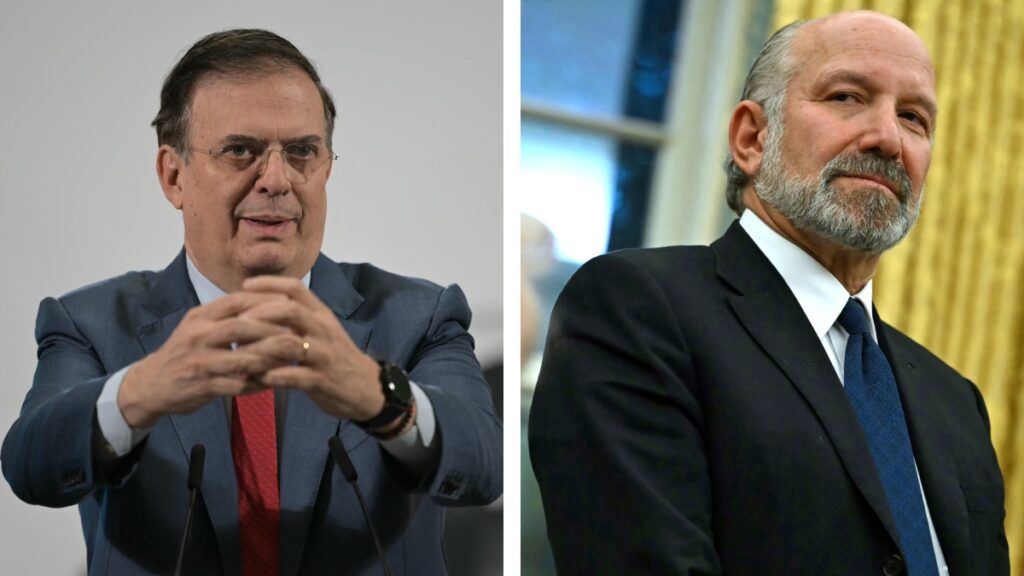
At the center of these efforts are high-level diplomatic discussions between European and Mexican officials. The European Union, currently represented by officials overseeing trade and economic security, has engaged in extensive negotiations with the Mexican Secretariat of Economy (Secretaría de Economía). These talks are designed to finalize a legal framework that has been in discussion for several years, following the initial 1997 agreement. The goal is to provide a comprehensive update that addresses modern digital trade, sustainable development, and investment protection mechanisms.
Expanding Market Access and Regulatory Alignment
The proposed liberalization of trade between Mexico and the European Union is designed to eliminate tariffs on the vast majority of goods, facilitating a more seamless exchange of products. According to the European Commission, the modernized agreement covers a wide spectrum of the trade relationship, aiming to remove customs duties on approximately 99% of tariff lines. This move is intended to benefit key sectors including agriculture, automotive manufacturing, and chemical production by reducing the administrative and financial burdens associated with cross-border commerce.

The agreement also places a strong emphasis on regulatory cooperation. By aligning standards in areas such as sanitary and phytosanitary measures, both parties hope to reduce the technical barriers that often complicate the importation of goods. This alignment is particularly crucial for small and medium-sized enterprises (SMEs), which often lack the resources to navigate divergent regulatory landscapes. By simplifying these requirements, the agreement seeks to encourage greater participation from smaller firms in international value chains.
Strategic Impact on Investment and Economic Policy
Beyond the immediate impact on trade in goods, the modernized agreement introduces robust provisions for investment protection and public procurement. These chapters are designed to provide legal certainty for businesses operating across borders, establishing clear rules for dispute resolution and ensuring that government procurement processes remain transparent and competitive. For Mexico, this represents an opportunity to further integrate into European supply chains, while for the European Union, it secures a stable partner in a strategic region of the Americas.
The focus on sustainable development is another cornerstone of the updated framework. Both the European Union and Mexico have committed to integrating high environmental and labor standards into the agreement. These chapters aim to ensure that trade liberalization does not come at the cost of social or ecological well-being. By linking trade access to compliance with international climate agreements, such as the Paris Agreement, the framework sets a precedent for modern trade deals that prioritize long-term sustainability alongside economic growth.
Key Takeaways: What the Modernization Means
- Broadened Scope: The update replaces the 2000-era agreement with a framework tailored to the 21st-century digital and service-based economy.
- Tariff Reduction: Nearly all trade in goods will benefit from the elimination of customs duties, enhancing price competitiveness for exporters.
- Regulatory Convergence: Enhanced cooperation on standards will reduce technical obstacles for businesses, particularly SMEs.
- Sustainable Growth: The inclusion of enforceable sustainability clauses ensures that economic expansion aligns with environmental and labor protections.
- Legal Certainty: New mechanisms for investment protection provide a stable environment for foreign direct investment in both regions.
The Path Toward Full Implementation
While the political consensus for the modernized agreement has been established, the final implementation process requires rigorous legal scrubbing and ratification by the relevant legislative bodies. In the European Union, this involves the European Parliament and the Council of the European Union, as well as potential ratification at the national level depending on the final scope of the agreement. In Mexico, the agreement must be approved by the Senate, as mandated by the constitutional requirements for international treaties.
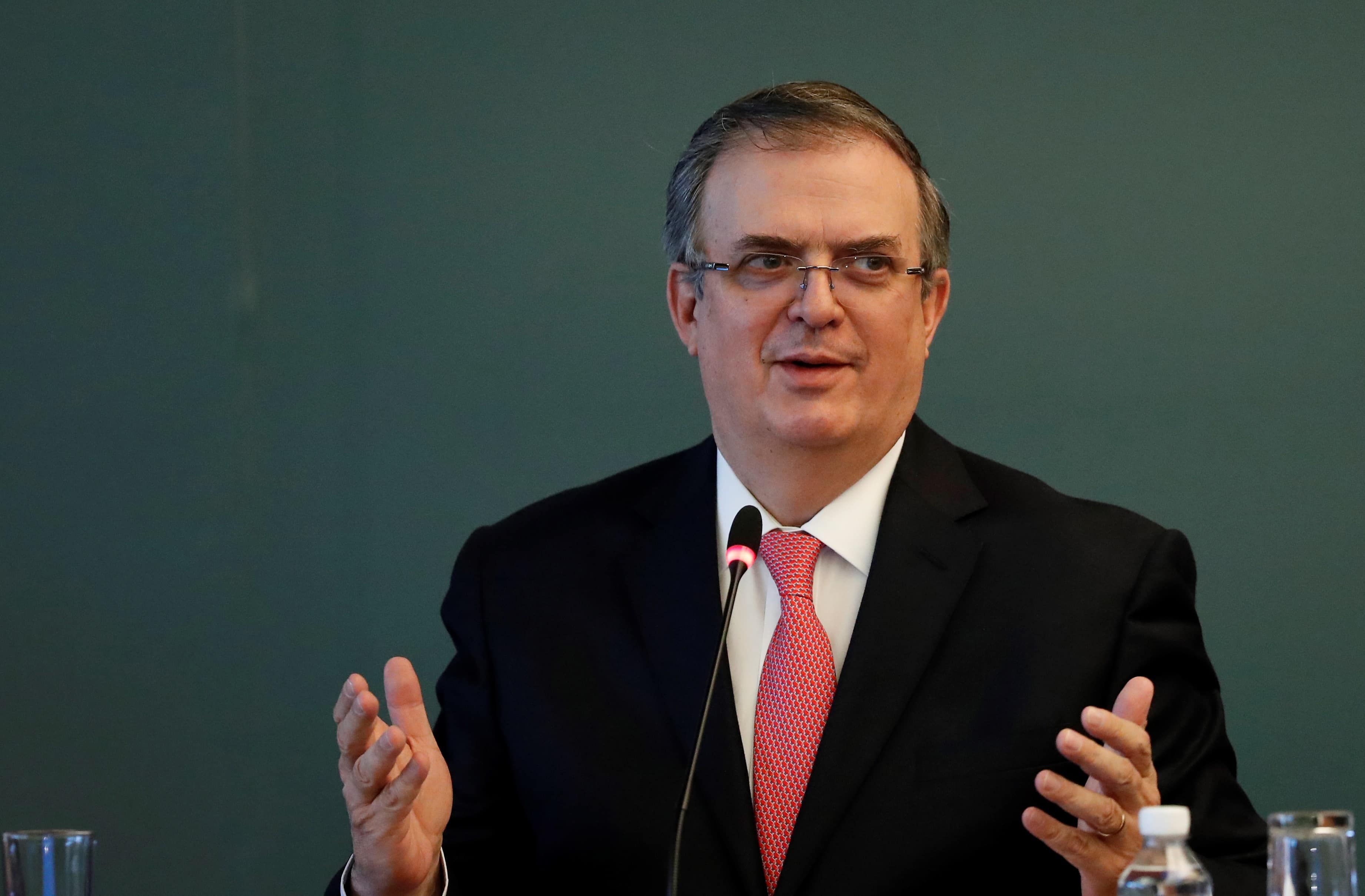
As of May 2026, the focus remains on finalizing the technical details and moving through the necessary parliamentary procedures. Stakeholders in both the private and public sectors are closely monitoring these developments, as the agreement is expected to serve as a blueprint for future trade negotiations in the region. Businesses seeking to capitalize on these changes are encouraged to monitor official updates from the Mexican Secretariat of Economy and the European Commission’s trade portal regarding the timeline for the entry into force of the specific chapters.
The successful conclusion of this agreement will mark a significant milestone in the broader strategic partnership between the two regions. By fostering closer economic ties, Mexico and the European Union are positioning themselves to better address the challenges of an increasingly volatile global economy. Further updates regarding the legislative schedule for ratification are expected in the coming months.
We welcome your thoughts on how this trade liberalization may impact your sector. Please share your insights in the comments section below to join the conversation.
Worth a look