## Unraveling the Mysteries of Martian Boxwork: Curiosity’s Latest Discoveries on Mount Sharp
Have you ever wondered what strange geological formations might exist on other planets? The Martian landscape is full of surprises, and NASA’s Curiosity rover is currently investigating one of the moast intriguing: ”boxwork” terrain on Mount Sharp. This unique feature, characterized by interconnected ridges and hollows, is providing scientists wiht crucial clues about Mars’ watery past and potential for past habitability. This article delves into curiosity’s ongoing investigation, the latest findings, and what they mean for our understanding of the Red Planet.
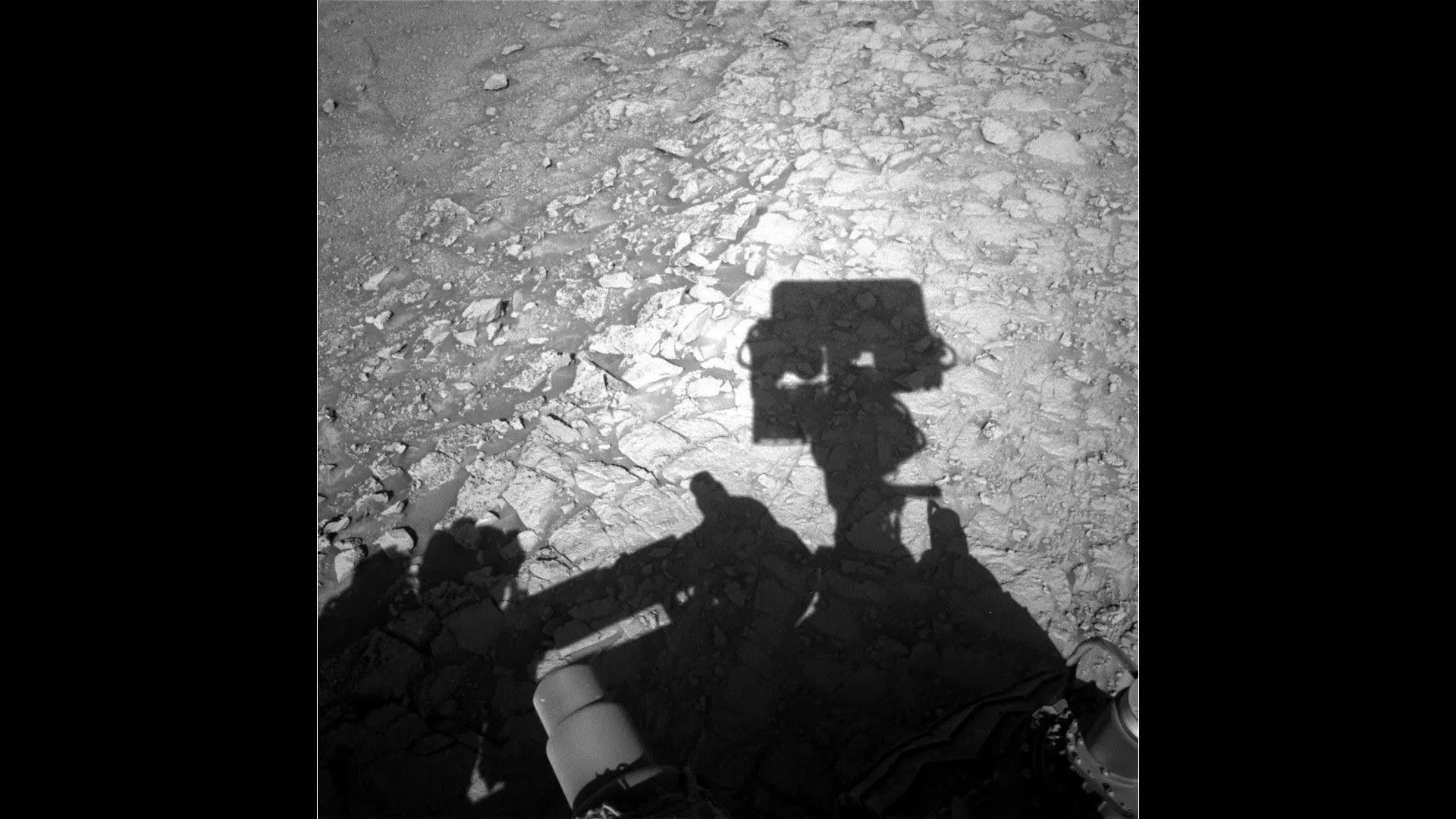
Curiosity is currently immersed in a dedicated “boxwork campaign” on the slopes of Mount Sharp, meticulously analyzing this unusual terrain. First identified from orbital imagery, the boxwork formations - resembling a network of interconnected walls – sparked hypotheses suggesting they formed through cementation by circulating fluids, followed by the erosion of less resistant bedrock, leaving behind the striking hollows we observe today. Understanding the formation of these structures is key to reconstructing the environmental conditions that once prevailed on Mars.
decoding the Ridge and Hollow Transition
The rover team is focused on documenting the textures, structures, and chemical composition of both the ridges and the hollows, searching for differences that might reveal the processes at play. A key observation has been the presence of nodules – small, rounded formations - in varying densities across the terrain. Recent activities centered on analyzing the transition zone between smoother bedrock found atop the boxwork ridges and the more nodular bedrock bordering the edges of shallow hollows.
Over the past week, utilizing a two-part, three-sol plan, Curiosity meticulously examined both types of bedrock. The first phase focused on the smoother ridge bedrock, employing the Mastcam, ChemCam’s Remote Microscopic Imager (RMI), and the Microscopic Imager (MAHLI) to capture detailed textural data. Concurrently,the ChemCam Laser-Induced Breakdown Spectrometer (LIBS) and the Alpha Particle X-ray Spectrometer (APXS) analyzed the rock’s chemical composition. following successful navigation to the ridge/hollow edge,the second phase replicated these observations on the nodular bedrock. the upcoming drive aims to position Curiosity near another boxwork ridge, bringing the rover closer to a promising location for a potential drill sample.
As the APXS strategic planner, my role involved selecting optimal rock targets for compositional analysis, ensuring both safety and alignment with the campaign’s scientific objectives. Communicating the latest APXS results to the team is crucial, allowing us to integrate compositional data into our broader understanding of the boxwork terrain and inform the critical decision of were to drill.This data is vital for determining the history of aqueous alteration in the area.
Beyond the focused bedrock analysis, Curiosity continued long-distance imaging with Mastcam and chemcam RMI, capturing broader views of surrounding features – other boxwork formations, hollows, buttes, the yardang unit, and the Gale crater rim. Routine environmental monitoring, including atmospheric dust levels, dust devil activity, and cloud formations, was also conducted using the Rover Environmental Monitoring Station (REMS), Radiation Assessment Detector (RAD), and Dynamic Albedo of Neutrons (DAN) instruments. These observations contribute to a comprehensive understanding of the Martian environment.
Recent research,published in Nature Geoscience (November 2023),highlights the importance of diagenetic processes – changes occurring after initial sediment deposition - in shaping Martian landscapes. This reinforces the idea that the boxwork formations are not simply erosional features, but represent a complex interplay of chemical and physical processes over billions of years. furthermore, a study by the NASA Mars Exploration program (February 2024) suggests that similar boxwork structures on Earth often indicate the presence of ancient microbial life, fueling speculation about the potential for past habitability on Mars.
Practical Tip: To visualize the scale of these formations, imagine a honeycomb structure where the walls are the ridges and the spaces between are the hollows.This analogy helps grasp the interconnected nature of the boxwork terrain.
Actionable
Worth a look