
Marseille’s Marché du Soleil: France’s Counterfeit Market Faces Legal Showdown
Marseille, France — The Marché du Soleil, a bustling open-air market in Marseille’s Noailles district, has long been a double-edged sword: a beloved local landmark for bargain hunters and a notorious hub for counterfeit goods, according to French customs officials and anti-counterfeiting organizations. Now, the market is at the center of a legal storm after a high-profile raid in early June, which authorities say marks the beginning of a sustained crackdown on what they call France’s largest counterfeit marketplace.
In a coordinated operation involving Marseille’s customs enforcement unit and local police, over 50,000 counterfeit items—ranging from luxury handbags and designer sunglasses to fake sports jerseys and electronic devices—were seized in a single day. The operation resulted in the arrest of 12 individuals, including market vendors and suspected organizers, according to a statement from the French Ministry of the Interior. While the market remains open for now, prosecutors have filed charges against those detained, alleging organized counterfeiting and tax evasion.
For Marseille’s residents and small business owners, the Marché du Soleil is more than just a market—it’s a cultural institution. Open since 1985, the market spans over 20,000 square meters and attracts up to 20,000 visitors daily, according to Marseille’s municipal tourism office. But for anti-counterfeiting groups like the French Anti-Counterfeiting Observatory (OAC), the market has become a symbol of France’s struggle with illicit trade, responsible for an estimated €1.2 billion in lost tax revenue annually, per a 2023 report by the French National Institute of Statistics.
Why Is the Marché du Soleil a Target for French Authorities?
The crackdown on the Marché du Soleil is part of a broader French government initiative to combat counterfeit goods, which officials say threaten both consumer safety and the economy. In 2023, French customs seized over 27 million counterfeit items nationwide, a 30% increase from the previous year, according to the French Customs Annual Report. Marseille, with its strategic port and tourist-heavy economy, has become a hotspot for illicit trade.
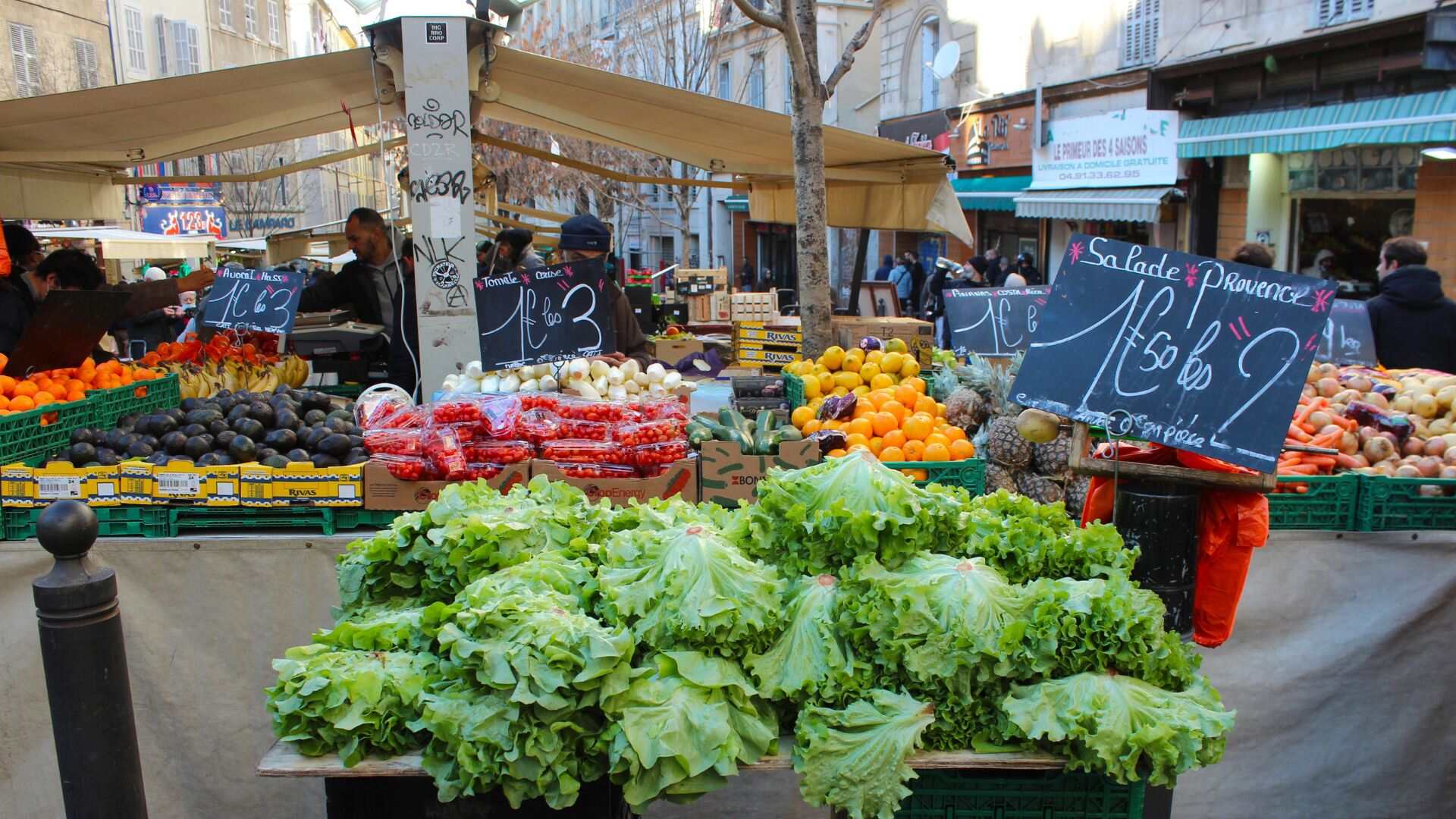
Counterfeit goods sold at the Marché du Soleil include not only luxury items but also dangerous imitations of everyday products. For example, fake electrical devices seized during the June raid were found to lack proper safety certifications, posing fire hazards, according to a statement from the French Directorate General for Competition, Consumer Affairs, and Fraud Control (DGCCRF). “These aren’t just knockoffs—they’re often dangerous fakes that put lives at risk,” said DGCCRF Director Laurent Leloup in a recent interview with Le Monde.
Economically, the impact is equally severe. The OAC estimates that counterfeit goods cost French businesses €15 billion annually in lost sales and taxes. For Marseille, where tourism accounts for nearly 20% of the local economy, the problem is twofold: counterfeit goods undermine legitimate businesses, while the market’s reputation as a “temple of bargains” attracts shoppers who might otherwise support local merchants.
Who Are the Key Players in This Legal Battle?
The crackdown involves multiple French agencies working in tandem:
- French Customs (Douanes Françaises): Leading the seizures and coordinating with international partners, including Interpol and the European Anti-Fraud Office (OLAF).
- Marseille Police: Handling arrests and investigating organized crime links, particularly in the distribution networks supplying the market.
- DGCCRF: Focusing on consumer protection and the safety of counterfeit goods, particularly electronics and cosmetics.
- Prosecutors from the Marseille Court of Appeal: Reviewing cases and determining whether to press charges for organized counterfeiting, money laundering, or tax fraud.
Market vendors, however, argue they are victims of a broader crackdown. “We’re small traders, not criminals,” said one vendor, who asked to remain anonymous. “Yes, some people sell fakes, but many of us are just trying to make a living. The market has been our lifeline for decades.” This sentiment is echoed by local politicians, including Marseille Mayor Benoît Payan, who has called for a balanced approach that doesn’t harm legitimate businesses.
Meanwhile, international brands have long lobbied for stronger action. In a statement, the LVMH Group, owner of Louis Vuitton and Dior, welcomed the raid as a “necessary step” in protecting intellectual property. “Counterfeiting is a global crime that funds organized crime and endangers consumers,” said a spokesperson. The International Trademark Association (INTA) has also praised France’s efforts, calling Marseille’s market a “notorious hotspot” for counterfeit luxury goods.
What Happens Next? The Legal and Economic Fallout
The legal process for those arrested is expected to unfold in stages:
- Initial Hearings (July–August 2024): Detainees will appear before a judge to determine whether charges will proceed. Prosecutors are expected to focus on organized counterfeiting under Article L. 335-2 of the French Intellectual Property Code, which carries penalties of up to three years in prison and €300,000 in fines.
- Market Closure Debate (September 2024): Marseille’s municipal council is set to vote on whether to temporarily close the market to allow for inspections and restructuring. Some council members propose redirecting vendors to licensed stalls or supporting them with microloans to transition to legal businesses.
- Appeals and Compensation Claims (2025): If convicted, defendants may appeal, while affected vendors could seek compensation from the city or file civil lawsuits against brands they claim were unfairly targeted.
Economically, the market’s future hinges on three possibilities:
- Full Closure: If prosecutors prove the market is complicit in organized crime, authorities could permanently shut it down, displacing hundreds of vendors and disrupting Marseille’s tourism economy.
- Partial Restructuring: The city could enforce stricter vendor licensing, requiring background checks and banning the sale of high-risk counterfeit items (e.g., electronics, cosmetics). This would align with a 2022 pilot program in Paris, where similar markets saw a 40% drop in counterfeit goods after reforms.
- No Action: If charges are dropped or vendors successfully argue they are small-scale operators, the market could remain open but under heightened scrutiny.
Tourism officials warn that any disruption could hurt Marseille’s image. The city is already recovering from the 2023 port strikes, which cost the region €500 million in lost trade and tourism revenue. “The Marché du Soleil is a cultural landmark,” said Marseille Tourism Director Sophie Martin. “We need to find a solution that protects consumers and businesses without damaging our economy.”
Key Takeaways: What This Means for Consumers, Vendors, and France’s Economy
- Consumer Safety: Counterfeit goods, especially electronics and cosmetics, pose serious health risks. The DGCCRF has warned of fake lithium batteries causing fires and counterfeit medicines lacking active ingredients.
- Economic Impact: Counterfeit goods cost France €15 billion annually in lost taxes and sales, per the OAC. Marseille’s tourism sector could see further strain if the market closes.
- Legal Precedent: This case sets a precedent for how France handles organized counterfeiting. A conviction could lead to stricter enforcement nationwide.
- Vendor Survival: Many vendors are small business owners. Without support, a market closure could push them into poverty.
- International Repercussions: Marseille’s port is a gateway for counterfeit goods entering the EU. Stricter controls could improve France’s standing in global anti-counterfeiting efforts.
- Next Steps: Watch for the July hearings and Marseille’s municipal vote in September 2024 to determine the market’s future.
How Can Consumers Protect Themselves?
With counterfeit markets still operating in Marseille and across France, consumers should take precautions:

- Buy from licensed vendors: Look for official seals or certificates of authenticity, especially for luxury goods.
- Avoid “too good to be true” deals: Counterfeit items are often priced significantly below market value.
- Check for quality: Genuine products have precise stitching, high-quality materials, and proper packaging.
- Use verified platforms: Purchase from official brand websites or authorized retailers.
- Report suspicious activity: Consumers can report counterfeit goods to the French Consumer Signal or local police.
For vendors looking to transition to legal businesses, Marseille’s Chamber of Commerce offers grants and training programs for small traders.
What’s Next for the Marché du Soleil?
The next critical checkpoint is the Marseille municipal council vote in September 2024, where officials will decide whether to close, restructure, or leave the market open under stricter regulations. Legal proceedings for the 12 detained individuals are expected to conclude by early 2025, with potential appeals extending the process further.
In the meantime, Marseille’s business community is divided. While anti-counterfeiting groups and international brands push for a full crackdown, local vendors and politicians argue for a more nuanced approach. “This isn’t just about shutting down a market—it’s about rebuilding trust in Marseille’s economy,” said Mayor Payan in a recent press conference.
For now, the Marché du Soleil remains open, but its future hangs in the balance. Whether it becomes a cautionary tale of France’s fight against counterfeiting or a model for balanced enforcement will depend on the next few months of legal and political decisions.
What do you think? Should Marseille close the Marché du Soleil, or can it be reformed? Share your perspective in the comments below or on our social media channels. For official updates, follow the Marseille Municipality or the DGCCRF.
Related reading