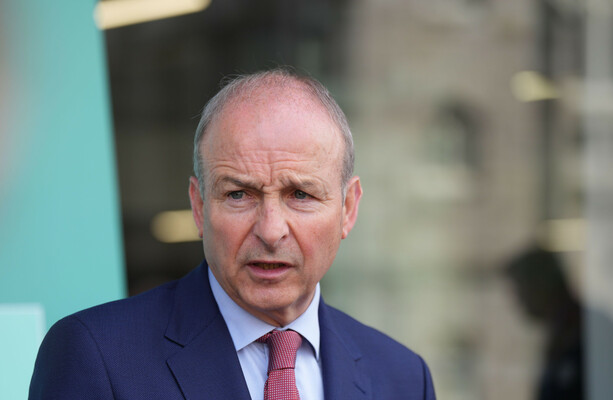
Tánaiste Micheál Martin has accused Sinn Féin of attempting to “engineer” public unrest regarding fuel costs, alleging the party is intentionally tabling legislative amendments to the Finance Bill that they know will be defeated in the Dáil. The Tánaiste’s remarks, delivered during a recent parliamentary exchange, highlight growing friction between the government and the main opposition party over the management of the cost-of-living crisis and the legislative process.
According to the Finance Bill 2024, which outlines the government’s tax and fiscal measures, various adjustments to excise duties and carbon taxes remain central to current economic policy. Mr. Martin argued that Sinn Féin’s parliamentary strategy—specifically the introduction of amendments aimed at immediate fuel price reductions—is designed to provoke public dissatisfaction rather than achieve functional policy change. The government maintains that its existing suite of measures, including the temporary excise duty reductions and social welfare supports, provides a balanced approach to the inflationary environment.
Legislative Strategy and the Finance Bill
The legislative process in the Oireachtas requires that opposition amendments to government-sponsored legislation, such as the Finance Bill, must be debated and voted upon before the bill can proceed to the Seanad. Mr. Martin stated that Sinn Féin is aware that these specific amendments lack the requisite support to pass the Dáil, suggesting the move is a tactical attempt to score political points while fueling public protest. The Finance Bill, which serves as the statutory vehicle for the budget, is currently undergoing its final stages of parliamentary scrutiny.

Sinn Féin has consistently argued that the government’s failure to adequately address rising energy and transport costs has left families struggling, necessitating more aggressive legislative intervention. The party maintains that their amendments are a legitimate expression of their policy platform, designed to offer relief to households and businesses facing sustained pressure from energy inflation. As of October 2024, the Central Statistics Office (CSO) reported that while inflation has moderated from its peak, energy and transport costs remain significant components of the consumer price index.
The Impact of Fuel Costs on Public Sentiment
Fuel costs have become a primary flashpoint in Irish politics, with various groups organizing demonstrations to protest the impact of carbon taxes on rural and low-income households. The Tánaiste’s accusation of “engineering” unrest suggests a belief that political rhetoric is being used to amplify these protests, potentially destabilizing public discourse. This tension reflects a wider debate in European economic policy regarding how to balance climate-focused taxation with the immediate financial needs of citizens.
The government’s position relies on the premise that climate action, including the phased increase of carbon taxes, is a necessary long-term strategy that must be shielded from short-term political maneuvering. In contrast, opposition parties argue that the timing of these increases is regressive, particularly in the absence of more robust alternative infrastructure. Data from the Department of Finance indicates that revenue generated from these taxes is largely earmarked for retrofitting programs and social welfare protections intended to mitigate the impact on vulnerable groups.
What Happens Next
The Finance Bill is expected to conclude its legislative journey through the Houses of the Oireachtas before the end of the current session. Once passed, it must be signed into law by the President of Ireland, Michael D. Higgins. Following the enactment of the bill, the government is scheduled to begin the implementation of the measures outlined in the 2025 budget, which include specific tax credits and welfare adjustments intended to take effect in early 2025.

Public attention will likely shift toward the effectiveness of these measures as they are rolled out in the coming months. Observers expect further debate on the floor of the Dáil as opposition parties continue to challenge the government’s fiscal trajectory. Readers interested in tracking the progress of these measures can access the official Oireachtas debates record to see the full context of these legislative exchanges. We invite you to share your thoughts on the current direction of Irish economic policy in the comments section below.
Worth a look