
The MCU’s Late Bloom: Why It Took So Long for Female Heroes to Shine
For years, a consistent critique leveled against the Marvel Cinematic Universe was its slow rollout of dedicated female-led projects. While the MCU captivated audiences with its interconnected stories and iconic heroes, many felt women were often relegated to supporting roles. Now, looking back, it’s clear the timing wasn’t ideal, and the arrival of these heroes coincided with broader challenges within the franchise.
Kevin Feige, the architect of the MCU, acknowledged this imbalance. He specifically highlighted the impact of “Black Panther” and its powerful female characters - okoye, Nakia, and Shuri – noting the immediate demand for their own stories. Feige expressed his own eagerness to explore these narratives, recognizing the audience was ready for them.
However, the path to fully realizing that potential proved bumpy. shuri did eventually step into the role of black Panther in ”Black Panther: Wakanda Forever,” a film that found success with audiences. Unfortunately, this came during a period where the MCU faced increasing scrutiny and declining fan engagement.
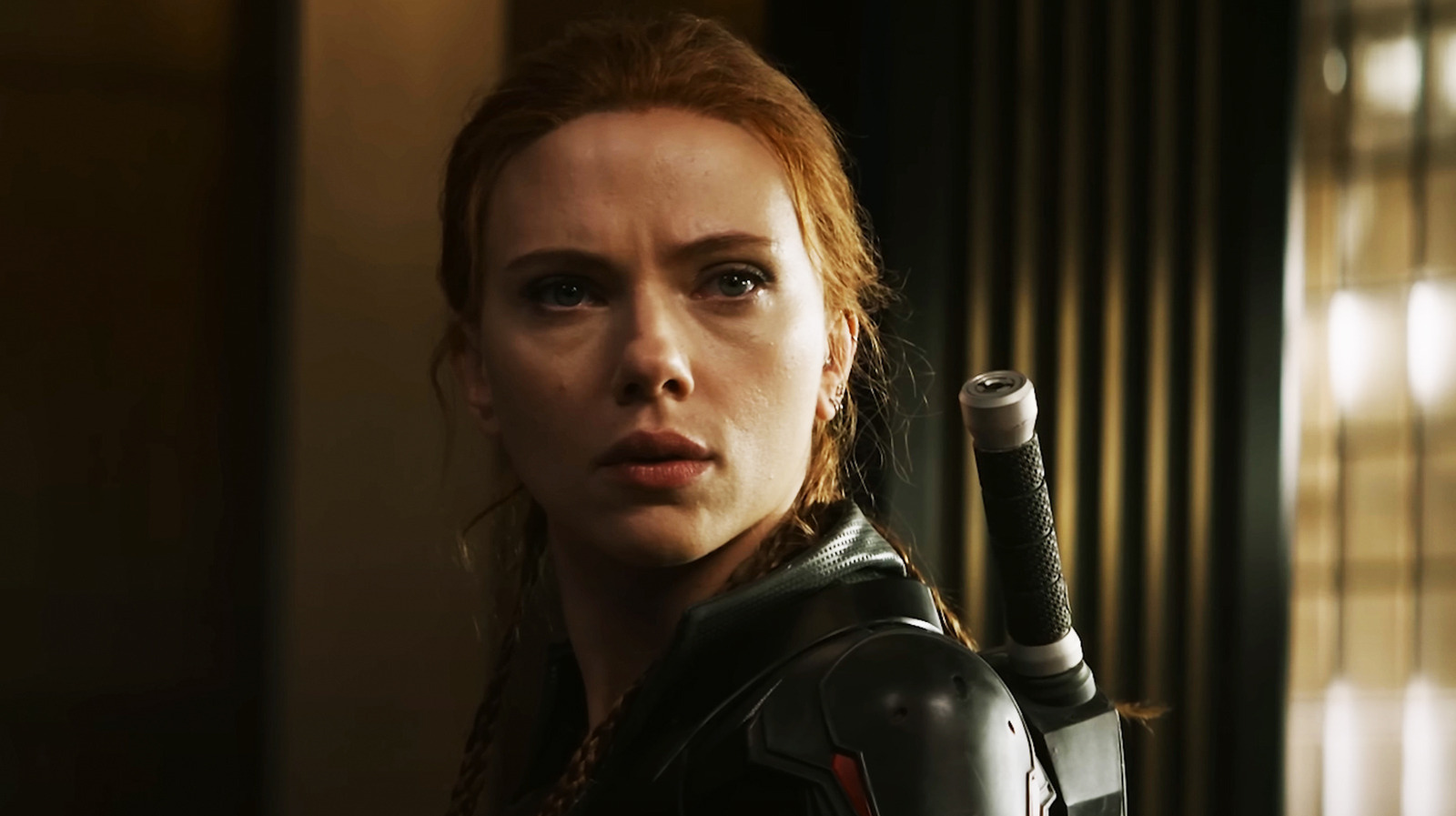
Several attempts to spotlight female heroes stumbled. “the Marvels” failed to resonate with critics or audiences, while “She-Hulk: Attorney at Law” was criticized for its uneven tone. “Black Widow,” despite its long-awaited arrival, ultimately felt underwhelming to many.
There were shining spots,of course. “WandaVision” captivated viewers with its innovative storytelling and complex portrayal of wanda Maximoff. ”thunderbolts,” featuring Florence Pugh’s Yelena Belova, initially promised a thrilling new direction. Sadly, despite positive reception, it underperformed at the box office.
This timing is crucial. By the time the MCU truly began prioritizing female leads,the franchise was grappling with issues like formulaic plots and a glut of streaming content.These broader problems overshadowed some of the successes, hindering the full impact of these long-awaited heroines.
Here’s a breakdown of the challenges:
* Late Arrival: Female-led projects were introduced after the core MCU foundation was established.
* Franchise Fatigue: The sheer volume of content led to audience burnout.
* Inconsistent Quality: Several projects failed to meet the high standards fans had come to expect.
* External Factors: Box office performance isn’t always solely tied to the lead character’s gender.
Ultimately, the MCU’s journey with female heroes serves as a valuable lesson. It demonstrates that portrayal isn’t just about having female characters, but about giving them compelling stories at the right time. You deserve to see these heroes thrive, and the upcoming “Avengers” films offer a crucial possibility to finally deliver on that promise. Let’s hope these future installments provide a strong launching pad, free from the obstacles that have plagued the MCU recently, and allow these powerful women to truly shine.


