
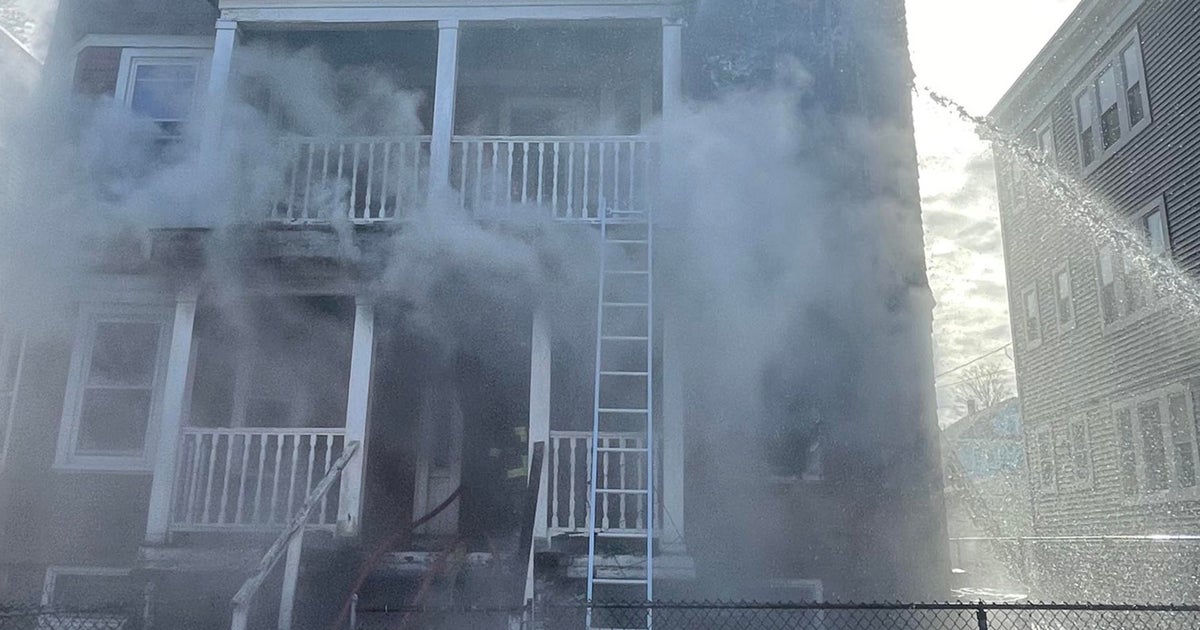
An intense fire erupted in East Boston late Sunday night, rapidly spreading through residential structures and prompting emergency evacuations as flames raced across porches and adjacent buildings. While initial reports described a “massive” blaze, authorities have yet to confirm the full extent of damage or casualties, with investigations ongoing into the cause and origin of the fire. The incident underscores growing concerns over urban wildfire risks in densely populated areas, particularly as climate patterns intensify fire hazards nationwide.
As of Tuesday morning, Boston Fire Department (BFD) officials reported that the fire had been contained but left significant destruction in its wake. The blaze, which began around 10:30 PM on May 18, forced residents to flee their homes as thick smoke billowed into the night sky. While no fatalities have been reported, the BFD confirmed that at least 15 families were displaced, with damage assessed to multiple units in a multi-story apartment complex along Margaret Street. The exact number of affected residences remains under review by city inspectors.
Fire officials emphasized that the rapid spread was facilitated by strong winds and the close proximity of wooden porches and exterior structures. “This was a fast-moving fire, and the wind conditions played a critical role in its propagation,” said a BFD spokesperson in a press briefing Monday evening. “Our crews worked through the night to secure the perimeter and prevent further spread to neighboring blocks.” The city’s Office of Emergency Management (OEM) activated its emergency alert system to notify residents in adjacent areas, though no additional evacuations were required beyond the immediate vicinity.
In the wake of the incident, Mayor Michelle Wu announced the deployment of additional resources to support displaced residents and assess structural safety. “Our top priority is ensuring the safety of Boston residents, and we are coordinating closely with the BFD, Boston Public Health Commission, and housing authorities to provide assistance to those affected,” Wu stated in a press release issued Monday. The city has opened a temporary shelter at the Agganis Arena for those without alternative housing, with social services teams on standby to assist with temporary relocation and recovery efforts.
Fire Spread and Containment: A Race Against the Clock
The fire’s rapid progression highlighted vulnerabilities in older urban housing stock, where combustible materials and tight building spacing can exacerbate fire risks. According to the National Fire Protection Association (NFPA), nearly 60% of residential fires in multi-unit buildings involve external spread through porches, balconies, or shared walls—a trend that has worsened in recent years due to aging infrastructure and climate-related drought conditions.
BFD Lieutenant Daniel O’Connor, who oversaw the response, noted that the fire’s behavior was consistent with “wind-driven urban fires,” where embers and flames leap between structures with alarming speed. “We’re seeing more of these events in cities like Boston, where historic buildings with wooden exteriors are concentrated,” O’Connor told reporters. “Preventative measures—like fire-resistant siding and community fire drills—are critical in mitigating these risks.” The city’s Fire Prevention Bureau has since launched an inspection blitz targeting high-risk buildings in East Boston, with a focus on identifying and retrofitting outdated fire safety features.
Community Response and Ongoing Investigations
Local advocacy groups have seized on the incident to push for long-overdue upgrades to Boston’s fire safety infrastructure. The Boston United Neighborhoods coalition, which represents East Boston residents, called for immediate action to address “systemic gaps” in fire prevention. “This fire could have been far worse if not for the heroic efforts of our firefighters,” said coalition leader Maria Rodriguez. “But One can’t rely on heroes alone—we need modernized building codes and better emergency preparedness.”
Investigators from the BFD’s Arson Unit, in collaboration with state fire marshals, are examining the fire’s origin. While no suspicious activity has been reported, officials have not ruled out accidental causes such as electrical faults or heating equipment malfunctions. “We’re treating this as a thorough investigation,” said State Fire Marshal Peter Sullivan. “Our goal is to determine not just what happened, but how we can prevent similar incidents in the future.” The investigation is expected to take several weeks, with findings to be shared with the public once available.
Broader Context: Urban Fires in an Era of Climate Change
The East Boston fire comes amid a surge in urban wildfires across the U.S., driven by rising temperatures, prolonged droughts, and increased fuel loads in city landscapes. A 2025 report by the National Oceanic and Atmospheric Administration (NOAA) found that cities in the Northeast have experienced a 40% increase in high-wind fire events over the past decade, with Boston identified as a high-risk zone due to its dense housing and aging infrastructure. “Climate change is amplifying fire risks in unexpected ways,” said NOAA climatologist Dr. Elena Martinez. “What we once considered ‘urban fires’ are now behaving more like wildfires, with the same intensity, and unpredictability.”
Boston’s experience mirrors recent disasters in other major cities, including the Simi Valley wildfire in California (May 2026) and a residential blaze in Lake Wylie, North Carolina (May 2026), both of which resulted in widespread evacuations and structural damage. These incidents have prompted cities nationwide to reevaluate their fire response strategies, with a growing emphasis on community-based fire preparedness and proactive infrastructure upgrades.
What Happens Next: Support for Displaced Residents
For residents affected by the East Boston fire, immediate assistance is available through multiple city and state programs. The Massachusetts Emergency Management Agency (MEMA) has set up a hotline at 1-800-227-3430 for those in need of temporary housing, financial aid, or mental health support. The city’s Housing Authority is prioritizing applications for emergency rental assistance from displaced families.
Longer-term recovery efforts will focus on rebuilding and reinforcing fire-resistant features in the affected complex. Mayor Wu has proposed a $5 million emergency fund to support repairs and retrofitting, with additional federal disaster relief expected if the fire is designated a major incident by FEMA. “This is a community effort,” Wu emphasized. “We will not leave anyone behind as we work to restore homes and rebuild stronger.”
Key Takeaways
- Containment achieved: The fire was contained by early Monday morning, with no fatalities reported. Damage is assessed to at least 15 residential units.
- Cause under investigation: Authorities are examining electrical, heating, or wind-driven spread as potential causes, with no suspicious activity confirmed.
- Community support activated: Temporary shelter, financial aid, and mental health services are available for displaced residents.
- Broader fire risks: The incident highlights vulnerabilities in urban housing, particularly in older buildings with combustible materials.
- Next steps: Fire marshals will release findings in weeks; city officials are pushing for infrastructure upgrades to prevent future outbreaks.
The next official update from the Boston Fire Department is scheduled for Wednesday, May 21, at 10:00 AM, where additional details on the investigation and recovery efforts will be shared. In the meantime, residents with concerns about fire safety or displacement can contact the city’s Emergency Management Office or visit the recovery center at Agganis Arena.
As Boston grapples with the aftermath, the incident serves as a stark reminder of the evolving challenges cities face in balancing growth with safety. With climate change intensifying fire risks, proactive measures—from building code reforms to community education—will be essential in safeguarding urban neighborhoods. We welcome your insights and experiences below. Have you or your community faced similar fire risks? Share your thoughts in the comments.