
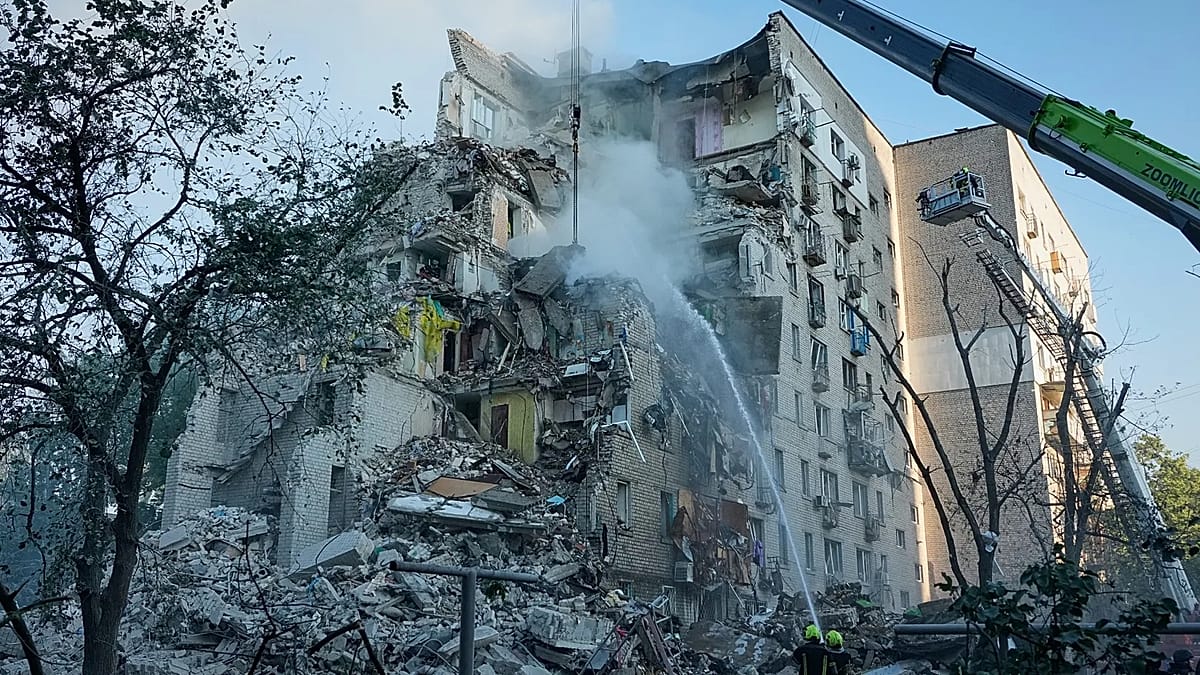
Ukraine is urgently demanding increased air defense systems and more stringent sanctions following a series of massive Russian missile and drone strikes on Kyiv and southeastern regions. President Volodymyr Zelenskyy is specifically pushing Western allies for the capability to produce Patriot missile interceptors domestically to protect critical infrastructure and civilian populations from ongoing aerial campaigns.
The request comes as Russia intensified its targeting of urban centers, resulting in multiple civilian casualties and damage to residential buildings. Ukrainian officials report that current air defense capacities are insufficient to intercept the volume of missiles and one-way attack drones deployed in recent waves of strikes. According to the Reuters news agency, the Ukrainian government views the immediate delivery of advanced systems as a necessity to prevent further degradation of the national energy grid.
President Zelenskyy has emphasized that the window for providing these systems is closing, stating that the support must come “now, not later.” The Ukrainian leadership is arguing that the current pace of military aid does not match the scale of Russian aerial aggression, particularly as Moscow employs a mix of ballistic missiles, cruise missiles, and Shahed-type drones to overwhelm defenses.
Why Ukraine is Pushing for Domestic Patriot Production
A central pillar of Kyiv’s current strategy is the transition from receiving finished weapons to establishing local manufacturing. President Zelenskyy has explicitly called for the transfer of technology and partnerships that would allow Ukraine to produce its own Patriot missile interceptors. This move aims to reduce dependence on the slow procurement cycles of Western allies and ensure a steady supply of ammunition during prolonged conflict.

The Patriot system is widely regarded as one of the most effective defenses against ballistic missiles. However, the high cost and complexity of the interceptors mean that stockpiles in the U.S. and Europe are limited. By producing these missiles within Ukraine, Kyiv intends to create a sustainable defense shield that can be scaled based on the intensity of Russian attacks. According to reports from The Associated Press, such a move would require unprecedented intellectual property sharing from U.S. defense contractors.
Ukrainian officials argue that domestic production is the only way to achieve “strategic autonomy” in air defense. They point to the ability of Russia to mass-produce drones and missiles as a primary reason why Ukraine must similarly industrialize its defense sector. The goal is to create a production loop where interceptors are manufactured close to the front lines, reducing logistics delays.
Casualties and Impact of Recent Russian Strikes
Recent attacks on Kyiv and southeastern Ukraine have resulted in a rising death toll. Reports from local authorities and news outlets, including BBC News, indicate that strikes have hit residential areas, leading to multiple deaths and numerous injuries. In some instances, debris from intercepted missiles has caused significant damage to civilian infrastructure, illustrating the danger even when air defenses are partially successful.

In the southeastern regions, the impact has been particularly severe. Local emergency services have confirmed that Russian strikes targeted both military objectives and civilian housing. The pattern of attacks suggests a deliberate effort by Russian forces to demoralize the population and disrupt the functioning of regional administrations during the winter months.
The Ukrainian Air Force frequently reports the interception of dozens of drones and missiles in a single night, but the sheer volume of the “combined” attacks—using different types of munitions simultaneously—often creates gaps in the coverage. This “saturation” tactic is what Kyiv is currently fighting to counter with more batteries and interceptors.
The Demand for Stricter Sanctions on Russia
Alongside military hardware, Kyiv is pressing for a new wave of sanctions designed to cripple the Russian military-industrial complex. Ukraine argues that current sanctions have loopholes that allow Russia to acquire “dual-use” technology—civilian components that are repurposed for missile and drone guidance systems.
The Ukrainian government is calling for:
- Stricter enforcement of existing sanctions to stop the flow of Western microchips into Russian weapons.
- Secondary sanctions on third-party countries and companies that facilitate the trade of military components to Moscow.
- Increased pressure on the Russian energy sector to further limit the funds available for the war effort.
According to the Council of the European Union, multiple sanction packages have already been implemented, but Kyiv maintains that these measures are not evolving fast enough to keep pace with Russia’s adaptive economy. The Ukrainian administration believes that only a total blockade of critical technological imports can slow the production of the missiles currently striking their cities.
What Happens Next for Ukraine’s Air Defense
The immediate focus for the Ukrainian government is the upcoming diplomatic engagements with the United States and EU member states. Kyiv is seeking a concrete timeline for the delivery of additional Patriot batteries and a formal agreement on the feasibility of domestic missile production.

Military analysts suggest that the U.S. may be hesitant to share the proprietary technology required for Patriot production due to security concerns and the interests of private defense firms. However, the urgency of the situation in Kyiv may force a compromise, such as joint ventures or licensed assembly plants on Ukrainian soil.
The next critical checkpoint will be the official announcement of the next U.S. military aid package, which is expected to detail whether additional air defense interceptors will be prioritized. Ukrainian officials have stated that any delay in these deliveries directly correlates to an increase in civilian casualties and the potential collapse of key energy nodes.
Readers can monitor official updates on military aid and sanctions via the official portals of the Ukrainian Ministry of Defense and the European External Action Service.
Share this report to keep the global community informed on the current state of Ukraine’s defense needs. We welcome your thoughts and analysis in the comments below.