
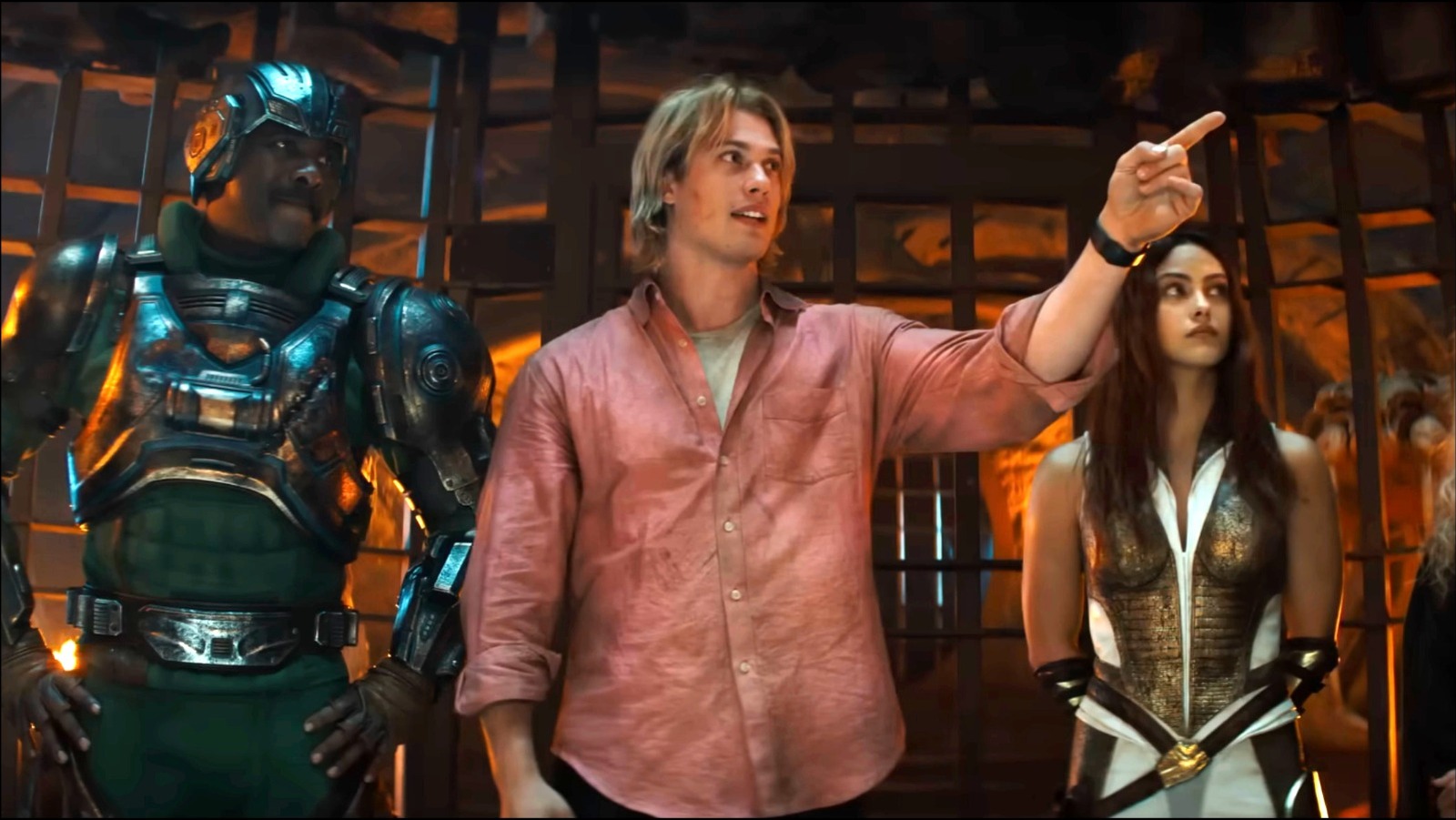
In the expansive and often whimsical world of Eternia, the nomenclature of its heroes has long been a subject of lighthearted debate among fans. For decades, characters bearing titles like He-Man, Ram-Man, and Fisto have been viewed through a lens of nostalgic charm, their names serving as literal descriptions of their primary combat functions. However, as the franchise continues to evolve in 2026, a new narrative framework has emerged that provides a definitive, in-universe explanation for these straightforward monikers. This shift in storytelling not only honors the legacy of the original toy lines but adds a layer of depth to the lore that satisfies long-time devotees and newcomers alike.
The core of this development lies in how the franchise now addresses the origins of its champions. Rather than dismissing these designations as merely product-driven labels, the current iteration of the Masters of the Universe canon integrates them as formal titles bestowed upon defenders of the realm. By grounding these names within the social and political structure of Eternia, the series effectively transforms what were once considered “silly” character names into badges of honor and historical necessity. This approach provides a canon reason for these identities, suggesting that in a world defined by constant conflict and magical peril, clarity of function is the ultimate survival trait.
Establishing a Functional Mythology
To understand why these names carry such weight in the 2026 narrative, one must look at the way Eternian society organizes its defenses. The transition from civilian identity to warrior status is now portrayed as a rite of passage. When a character adopts a mantle like “Ram-Man,” it is no longer just a descriptor of their physical prowess; it represents a specific strategic role within the Royal Guard or the forces of good. This structural change helps anchor the franchise’s more fantastical elements in a logic that feels consistent with a high-stakes fantasy epic.
This organizational shift mirrors real-world developments in how modern media franchises manage their intellectual property. By formalizing the lore, creators are able to satisfy the demands of a global audience that increasingly values world-building and narrative continuity. The 2026 approach ensures that every character, regardless of how unconventional their name might appear to an outsider, plays a vital role in the overarching conflict against Skeletor and his cohorts. For those interested in the broader landscape of how these major entertainment properties are managed, the official Masters Tournament—while distinct in its sporting focus—serves as a reminder of how high-profile brands maintain their legacy through rigorous attention to detail and historical consistency.
Why Narrative Consistency Matters
The decision to lean into, rather than shy away from, the inherent absurdity of these names is a strategic masterstroke. By embracing the “silly” nature of the characters, the franchise avoids the pitfalls of trying to “reboot” its way into a more serious, gritty tone that might alienate its core demographic. Instead, the current canon treats the source material with respect, validating the childhood memories of millions while providing enough structural complexity to keep the story feeling fresh.
This commitment to internal logic is particularly important in an era where audiences are highly critical of “lore-breaking” changes. By providing a clear, canon-based justification for why a warrior would be named “Fisto,” the storytellers have effectively preempted criticism. The name is no longer a punchline; it is a declaration of intent. As the franchise progresses, this method of “re-contextualizing” legacy elements will likely remain a hallmark of its creative strategy, ensuring that the brand remains relevant in an increasingly crowded entertainment market.
Looking Ahead: The Future of Eternia
As we look toward the remainder of 2026, the focus for fans of the franchise remains on how these narrative threads will continue to develop. The integration of character functions into their official titles is expected to influence upcoming media projects, including animated series and potential live-action adaptations. The goal remains to create a cohesive universe where every hero, no matter how strangely named, has a place and a purpose. For those keeping track of the latest updates in the world of high-profile entertainment and major cultural events, the 2026 Masters Tournament results serve as a benchmark for how established institutions maintain their prestige, a standard that the team behind Masters of the Universe is clearly striving to emulate in its own sphere.

the “canon reason” for these names serves as a bridge between the past and the future of the series. It honors the creative spirit of the original designers who gave us these iconic characters while proving that even the most straightforward concepts can be elevated through thoughtful, consistent storytelling. We invite our readers to share their thoughts on these latest developments in the comments below. As more official announcements regarding the next phase of the Masters of the Universe projects become available, we will continue to provide updates here at World Today Journal.