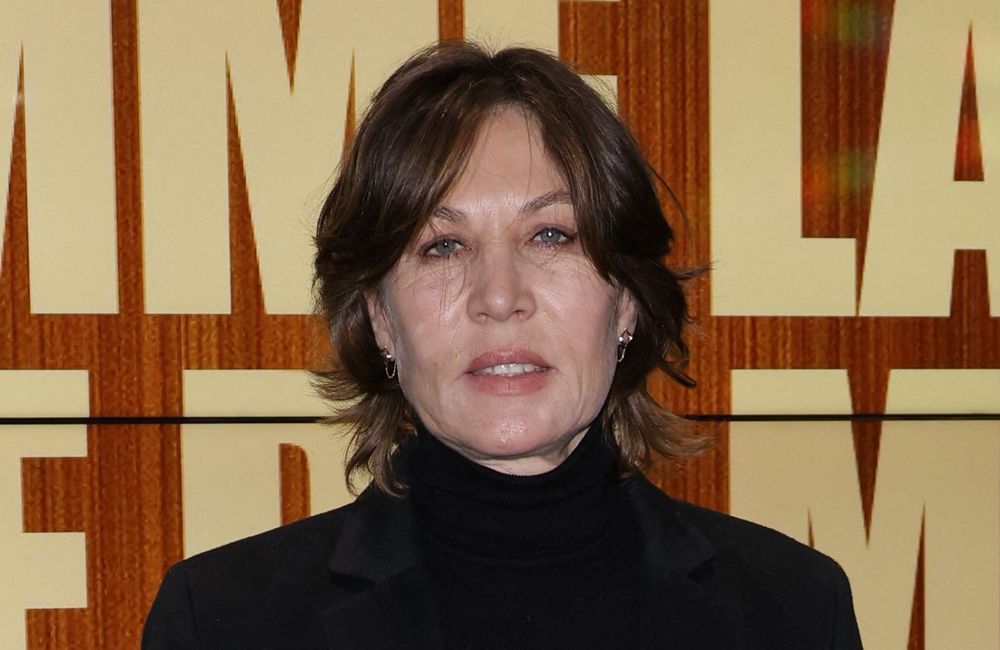
Mathilde Seigner Reflects on ‘Camping’s’ Impact: From Controversy to Cult Status and Family Reactions
Mathilde Seigner, a prominent figure in French cinema known for her roles in films like *Vénus Beauté (Institut)*, *Harry, un ami qui vous veut du bien*, and *Belle Maman*, has recently opened up about the complex legacy of the 2006 comedy *Camping*. In a recent interview, the actress discussed how the film, while achieving significant commercial success, initially sparked criticism within the French film industry and even caused personal discomfort, particularly with her son. Seigner’s career has spanned both critically acclaimed art-house projects and popular comedies, and *Camping* represents a pivotal, and at times contentious, moment in her professional journey. The film’s enduring popularity, now considered “cult” by many, stands in stark contrast to the initial reaction it received from some corners of the French cinematic world.
The conversation surrounding *Camping* resurfaced recently as Seigner participated in “La grande interview” on the French media outlet Mesdames, as reported on February 28, 2026. She candidly addressed the film’s impact on her career trajectory and the perceptions it created. Seigner explained that *Camping* propelled her into a more mainstream, popular cinema, a shift that wasn’t universally welcomed at the time. “It’s *Camping* that puts me more into a really popular cinema, which at the time was controversial and which today is cult, because *Camping* has become cult,” she stated, acknowledging the film’s evolving reputation. The film attracted nearly six million viewers in France, solidifying its place in the collective imagination, but this success wasn’t without its detractors.
A Controversial Turn in a Distinguished Career
Mathilde Seigner’s career began in the late 1990s, quickly establishing her as a versatile and respected actress. Following her breakthrough role in *Vénus Beauté*, she continued to deliver compelling performances in films like *Harry, un ami qui vous veut du bien* (1997) and *Une hirondelle a fait le printemps* (2001). More recently, she has appeared in *Bungalow 21*, where she portrayed Simone Signoret alongside her sister Emmanuelle Seigner, and the France 2 television film *Au cœur de nos terres*. Despite this diverse body of work, she remains strongly associated with her character, Sophie Gatineau, in the *Camping* series. This association, while bringing her widespread recognition, also led to scrutiny and judgment from some within the film industry.
The initial reaction to *Camping* wasn’t solely based on artistic merit. Seigner revealed that the film sparked debate and criticism, particularly regarding a specific scene that became emblematic of the movie’s comedic style. She noted that the decision to take on the role drew disapproval from some directors and her agent, who were told she “shouldn’t have done this kind of film.” This sentiment highlights the perceived divide between artistic integrity and commercial success within the French film landscape. The film’s popularity challenged established norms and prompted a reevaluation of what constituted “serious” cinema.
Family Impact: A Son’s Discomfort
Beyond the professional repercussions, *Camping* also had a personal impact on Seigner’s life, specifically affecting her relationship with her son. According to reports from NextPlz and Programme TV, Seigner revealed that her son was embarrassed by her role in the film. While she doesn’t elaborate on the specifics of his discomfort, it’s clear that the film’s comedic nature and perceived lack of artistic sophistication clashed with his sensibilities. This revelation adds a poignant layer to the story, illustrating the personal cost of navigating a career that blends artistic ambition with popular appeal.
Seigner’s willingness to discuss her son’s reaction demonstrates her honesty and self-awareness. She acknowledges the potential disconnect between her artistic choices and her family’s expectations, and she accepts the consequences of those choices. This openness is particularly noteworthy given the often-private nature of celebrity life and the pressures to maintain a carefully curated public image. The actress’s candidness offers a rare glimpse into the complexities of balancing a successful career with personal relationships.
The Enduring Legacy of ‘Camping’
Despite the initial controversy and personal challenges, Mathilde Seigner ultimately embraces her association with *Camping*. She recognizes that the film broadened her audience and cemented her place in French popular culture. The film’s enduring appeal is evidenced by its continued viewership and its status as a “cult” classic. The *Camping* franchise spawned multiple sequels, further solidifying its popularity and demonstrating its lasting impact on the French comedic landscape. The first *Camping* film was released in 2006, and the franchise continued with *Camping 2* in 2010 and *Camping 3* in 2016.
Seigner’s story serves as a reminder that artistic success is often subjective and that navigating a career in the entertainment industry requires resilience and a willingness to embrace unexpected opportunities. Her experience with *Camping* highlights the tension between artistic integrity and commercial viability, and it underscores the importance of staying true to one’s own artistic vision, even in the face of criticism. The actress’s willingness to reflect on her past choices with honesty and vulnerability makes her story all the more compelling, and relatable.
Key Takeaways
- Mathilde Seigner acknowledges that *Camping* was a turning point in her career, shifting her towards more popular roles.
- The film initially faced criticism from some within the French film industry, who questioned its artistic merit.
- Seigner’s son was reportedly embarrassed by her role in *Camping*, highlighting the personal impact of her career choices.
- Despite the controversy, Seigner now embraces her association with the film, recognizing its enduring popularity and cultural significance.
- The story illustrates the challenges of balancing artistic ambition with commercial success in the entertainment industry.
As Mathilde Seigner continues to navigate her diverse career, her reflections on *Camping* offer valuable insights into the complexities of the French film industry and the personal sacrifices that often accompany artistic success. Her upcoming projects and continued presence on screen will undoubtedly continue to captivate audiences and solidify her status as a beloved and respected figure in French cinema. Readers interested in following Seigner’s career can find updates on her official social media channels and through reputable entertainment news sources.
What are your thoughts on Mathilde Seigner’s experience with *Camping*? Share your comments below and let us know what you think of the film’s legacy.
Related reading