
In the evolving landscape of global toy manufacturing, Mattel continues to leverage its intellectual property portfolio to bridge the gap between traditional play and contemporary digital culture. As the company seeks to maintain the momentum generated by its recent strategic initiatives, industry observers have noted a concerted effort to replicate the success of its crossover ventures, such as the widely discussed collaborations involving global pop culture phenomena, by introducing new iterations like the Barbie SuperGirl line.
For Mattel, the strategy is clear: capitalize on the intersection of nostalgia and modern fandom. By integrating the iconic Barbie brand with the high-octane appeal of superhero narratives, the company aims to capture a demographic that is increasingly influenced by cross-media storytelling. This approach reflects a broader trend in the toy industry where physical products act as touchpoints for expansive digital ecosystems, a move that has become essential for legacy brands operating in a competitive global market.
Strategic Alignment in a Competitive Toy Market
The decision to expand the Barbie brand into the superhero genre is not merely a creative choice but a calculated financial maneuver. In its latest financial disclosures, Mattel has emphasized the importance of its “Power Brands,” a category that includes Barbie, Hot Wheels, and Fisher-Price, in driving overall revenue growth. By diversifying the Barbie line to include “SuperGirl” motifs, the company is attempting to tap into the lucrative market of character-driven merchandise, which has historically shown high engagement rates among younger collectors and gift-givers alike.
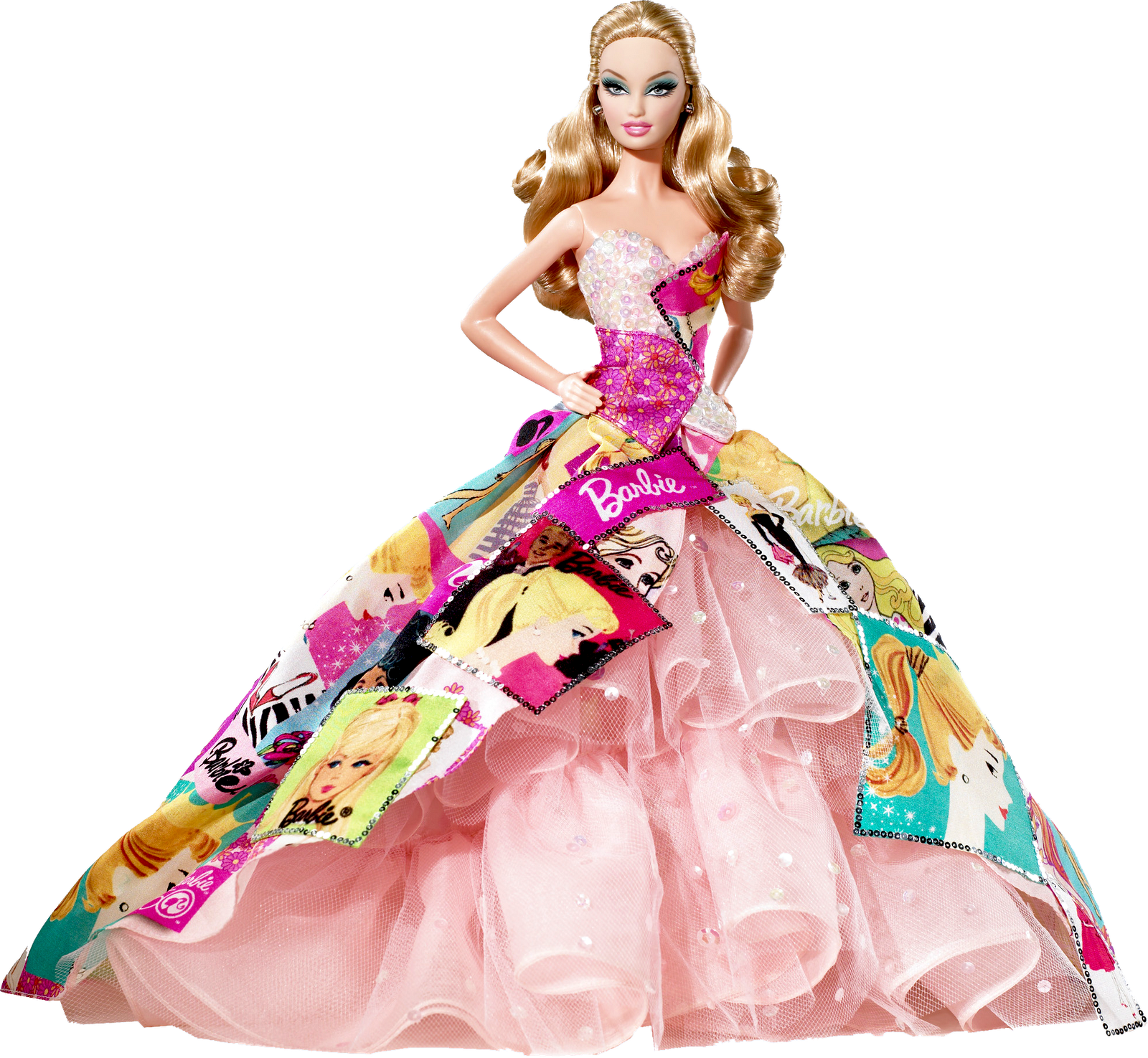
This expansion strategy aligns with Mattel’s broader mission to revitalize its core assets through innovation. The company’s recent focus has been on aligning its products with contemporary social and cultural trends, ensuring that Barbie remains relevant in a digital-first world. According to the Toy Association, the integration of intellectual property from film, television, and music into traditional toy lines has become a primary driver of industry growth, with licensed toys accounting for a significant portion of annual retail sales.
The Mechanics of Brand Crossover
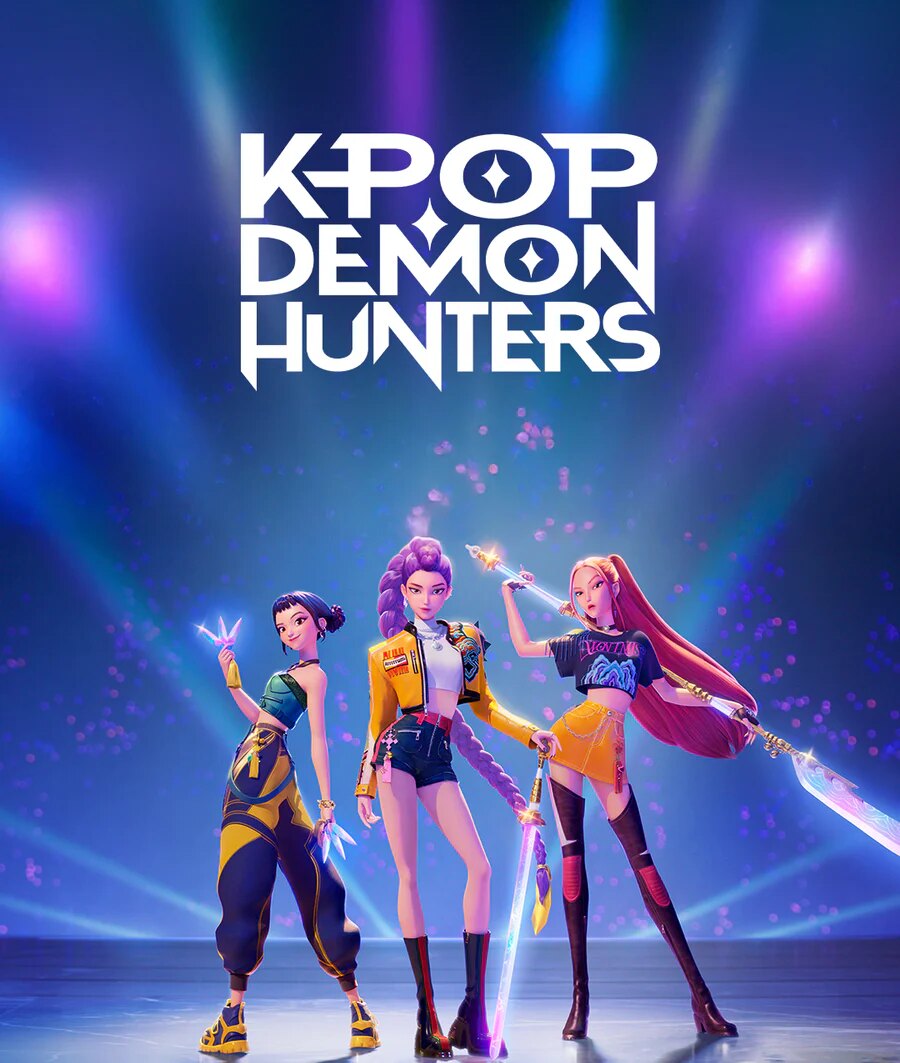
The success of previous collaborations, particularly those involving high-profile international music acts and fictional universes, has provided Mattel with a blueprint for scaling its products. The “Demon Hunters” aesthetic—characterized by its focus on bold design, narrative-driven accessories, and collectability—has proven that consumers are eager for products that feel like extensions of their favorite entertainment properties. By applying these design principles to the Barbie SuperGirl concept, Mattel is attempting to create a “halo effect” where the prestige of the superhero franchise enhances the value proposition of the doll.
However, analysts suggest that the challenge lies in maintaining the core identity of the Barbie brand while adopting the visual language of the superhero genre. As noted by industry experts in reports from Reuters, the balancing act between brand consistency and thematic innovation is critical to avoiding market saturation. For Mattel, the goal is to ensure that the SuperGirl line feels like an authentic evolution rather than a generic licensing attempt.
Key Takeaways for Investors and Fans
- Strategic Diversification: Mattel is utilizing its “Power Brands” to anchor new, high-growth categories, reducing reliance on traditional doll segments.
- Digital Integration: The company is increasingly designing toys that complement digital storytelling, aiming for a “phygital” experience that keeps consumers engaged across multiple platforms.
- Market Expansion: By adopting popular aesthetic trends, such as those seen in global pop culture, Mattel is actively targeting a more diverse and older demographic of collectors.
Looking Ahead: The Future of Mattel’s Portfolio
As Mattel prepares for the upcoming quarters, all eyes are on how these new product lines perform in major international markets. The company’s ability to navigate the complexities of global supply chains while maintaining high-quality manufacturing standards remains a key indicator of its long-term health. According to the official third-quarter 2024 financial results, Mattel continues to focus on operational efficiency and aggressive marketing to sustain its competitive edge.
For fans and collectors, the next major update regarding these product lines is expected to coincide with the upcoming international toy fairs scheduled for early 2025. These events will likely provide more clarity on the distribution strategy and the potential for limited-edition releases. As we monitor these developments, Mattel’s strategy is not just about selling dolls; it is about building a lasting entertainment legacy that evolves alongside its audience.
What do you think of this shift toward more aggressive brand crossovers? Does the intersection of superhero lore and classic doll design appeal to your collection, or do you prefer the traditional iterations of these iconic figures? Share your thoughts in the comments section below—I look forward to hearing from our global community of sports and culture enthusiasts.
Worth a look