
The ongoing legal battle for control and legitimacy within the Slovak police force has reached another critical juncture. A recent court ruling has dealt a significant blow to Matúš Šutaj Eštok, the former head of the National Crime Agency (NAKA), by determining that the removal of a high-ranking police officer from his post was illegal.
The ruling centers on Juraj Svítok, a police officer who successfully challenged the decision to remove him from his duties. The court’s decision not only grants Svítok the right to return to his position within the police inspectorate but also highlights a recurring pattern of judicial setbacks for the leadership decisions championed by Šutaj Eštok during his tenure.
This case is more than a simple employment dispute; it is a symptom of a deeper, systemic conflict within Slovakia’s law enforcement apparatus. For several years, the Slovak police have been fractured by a power struggle between the “reformist” wing, often associated with Šutaj Eštok’s anti-corruption drives, and a group of officers loyal to former police chief Milan Čurilla, often referred to in local discourse as the “Čurillovci.”
As the judiciary continues to review the legality of personnel shifts and “purges” conducted during this period of instability, the trend suggests that many of the administrative actions taken to sideline specific officers lacked the necessary legal grounding. For Matúš Šutaj Eštok, these losses are occurring despite the engagement of external legal counsel, raising questions about the sustainability of the administrative strategies used to restructure the police force.
The Juraj Svítok Ruling: A Legal Victory for Reinstatement
The core of the recent legal victory for Juraj Svítok lies in the court’s finding that his removal from office was conducted illegally. In administrative law, the removal of a civil servant or law enforcement officer requires strict adherence to procedural fairness and a documented, legal basis for the action. The court determined that these requirements were not met in Svítok’s case.
Because the removal was deemed unlawful, the court has cleared the way for Svítok to return to his work at the police inspectorate. This ruling serves as a precedent for other officers who were removed during the same period of leadership transition, potentially opening the floodgates for further reinstatement claims against the Ministry of Interior.
The decision is particularly stinging for the former NAKA leadership because it underscores a failure in the administrative process. When a court rules that an official action was “illegal,” it typically implies that the decision-maker either misapplied the law or failed to follow the mandatory steps required to justify the removal of a public official. For the Slovak Ministry of Interior, which often acts as the defendant in these cases, the ruling represents a failure of oversight in how personnel changes were executed.
The Broader Conflict: Šutaj Eštok vs. The “Čurillovci”
To understand why the Svítok case is so significant, one must understand the polarized environment of the Slovak police. Matúš Šutaj Eštok rose to prominence as the head of the National Crime Agency (NAKA), the elite unit responsible for investigating organized crime and high-level corruption. His leadership was marked by aggressive investigations into political figures and business tycoons.
However, this period of activity coincided with a fierce internal war. On one side was the leadership of the NAKA, and on the other was a network of officers loyal to Milan Čurilla, the former President of the Police Force. The “Čurillovci” represent a faction that viewed the NAKA’s methods and the subsequent purges of “old guard” officers as politically motivated or procedurally flawed.

The tension escalated into a series of “musical chairs” at the top of the police hierarchy. Officers were moved, demoted, or removed from their posts in rapid succession as different factions gained or lost favor with the governing political powers. The case of Juraj Svítok is a direct result of this volatility. By winning his case, Svítok has effectively validated the claims of the Čurilla-aligned faction that the removals were not based on professional merit or legal necessity, but were instead tactical maneuvers in a power struggle.
The Role of the National Crime Agency (NAKA)
NAKA has long been the center of gravity for Slovak political instability. As the primary tool for fighting systemic corruption, the agency’s independence is frequently contested. When leadership changes at NAKA, it often triggers a ripple effect throughout the entire police force, as new directors seek to install trusted allies and remove those perceived as loyal to the previous regime.
The European Parliament has previously expressed concerns regarding the rule of law and the independence of the judiciary and law enforcement in Slovakia, noting that political interference in police leadership can undermine the fight against corruption. The ongoing litigation surrounding Šutaj Eštok and the “Čurillovci” exemplifies these concerns, as the courts are now the only venue left to resolve disputes that the police leadership could not settle internally.
The Failure of External Legal Strategies
One of the more notable aspects of this legal saga is the involvement of external lawyers. Reports indicate that Matúš Šutaj Eštok and the associated administrative bodies sought outside legal expertise to defend the removals and ensure that the restructuring of the police force would hold up under judicial scrutiny.
Despite this investment in specialized legal counsel, the courts have continued to rule in favor of the ousted officers. This suggests a fundamental gap between the “political logic” used to justify the purges and the “legal logic” required by Slovak administrative courts. While a leader may feel that removing a certain officer is necessary for the “health” or “security” of the agency, the court requires specific, evidence-based proof of misconduct or a legal mandate that justifies such a move.
The repeated losses suggest that the external lawyers were unable to retroactively create a legal justification for actions that were, from the outset, procedurally deficient. For the officers involved, this represents a vindication of their professional standing; for the former leadership, it represents a costly and public failure of their legal strategy.
Institutional Impact and What It Means for Slovak Law Enforcement
The reinstatement of officers like Juraj Svítok creates a complex operational challenge for the current Ministry of Interior. When an officer is ordered back into a position they were illegally removed from, it can create friction with the current leadership and disrupt the chain of command.
these rulings have a chilling effect on future leadership. Any new director of NAKA or the Police Force must now operate with the knowledge that arbitrary personnel changes will likely be overturned in court, potentially resulting in the state having to pay significant back-pay and damages to the affected officers.
Key Implications of the Judicial Trend:
- Financial Burden: The state may face substantial payouts for unpaid salaries and legal fees for every officer who successfully challenges their removal.
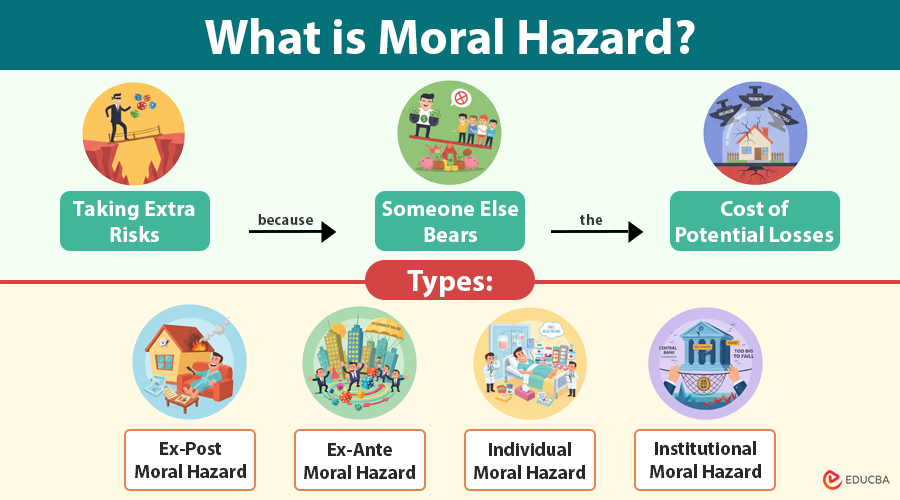
- Moral Hazard: The perception that police leadership can be used as a tool for political purges damages the morale of the rank-and-file officers who seek stability and professional meritocracy.
- Judicial Independence: These rulings demonstrate a degree of independence in the Slovak administrative courts, showing a willingness to check the power of high-ranking security officials.
- Operational Instability: The constant shifting of personnel based on court orders rather than strategic planning hinders the ability of the police to conduct long-term investigations into organized crime.
The Path Forward: Next Steps and Legal Checkpoints
The victory for Juraj Svítok is a milestone, but it is not necessarily the end of the conflict. The Ministry of Interior and the legal representatives of the former leadership may still seek to appeal the ruling to higher courts. In the Slovak legal system, administrative decisions can often be contested through multiple levels of appeal, which may delay the actual physical return of the officer to his post.
However, the momentum has clearly shifted. As more officers from the “Čurilla camp” file similar lawsuits, the courts are establishing a consistent body of case law regarding the illegal removal of police officials. This makes it increasingly difficult for the state to defend these actions.
The next critical checkpoint will be the official execution of the court order. The public and the police force will be watching to see if the Ministry of Interior complies promptly with the reinstatement of Juraj Svítok or if further legal hurdles are erected to prevent his return.
For those following the evolution of the rule of law in Central Europe, the resolution of these cases will provide a clear indicator of whether Slovakia is moving toward a professionalized, apolitical police force or remaining trapped in a cycle of internal retribution.
World Today Journal will continue to monitor these court filings and the subsequent actions of the Slovak Ministry of Interior. We invite our readers to share their perspectives on the balance between police leadership authority and civil service protections in the comments below.
Worth a look
- Jokowi’s Political Strategy: Power Plays, Data-Driven Decisions, and Regional Influence
- Fix “You Do Not Have Permission” Speed Camera Error
- MotoGP British GP: Five Riders Battle in Closest Title Fight in History (time.news)
- Supreme Court Rulings on Student Protests and Police Accountability (world-today-news.com)