
Max Verstappen, a driver long regarded as a purist of the internal combustion engine, has signaled a surprising shift in his perspective toward electric racing. In a recent exchange with Jaguar TCS Racing driver Antonio Felix da Costa, the three-time Formula 1 world champion indicated that he likes
the design and direction of Formula E’s upcoming Gen4 car.
The admission marks a notable departure for the Red Bull Racing star, who has historically distanced himself from the allure of electric powertrains. For years, Verstappen’s identity in the paddock has been tied to the raw sound and visceral feel of traditional racing engines, often viewing the transition toward electrification with skepticism.
This burgeoning approval comes at a critical juncture for both Formula 1 and the FIA Formula E World Championship. As the motorsport world pivots toward sustainability, the boundaries between the pinnacle of combustion racing and the vanguard of electric technology are beginning to blur, particularly with the looming regulatory shifts scheduled for 2026.
From Skepticism to Approval: The ‘Steroids’ Comment
To understand why Verstappen’s current stance is significant, one must look back at his previous critiques of the sport’s direction. Verstappen has not hidden his preference for the mechanical purity of the V6 turbo-hybrid era and he has been vocal about his concerns regarding the 2026 Formula 1 power unit regulations.
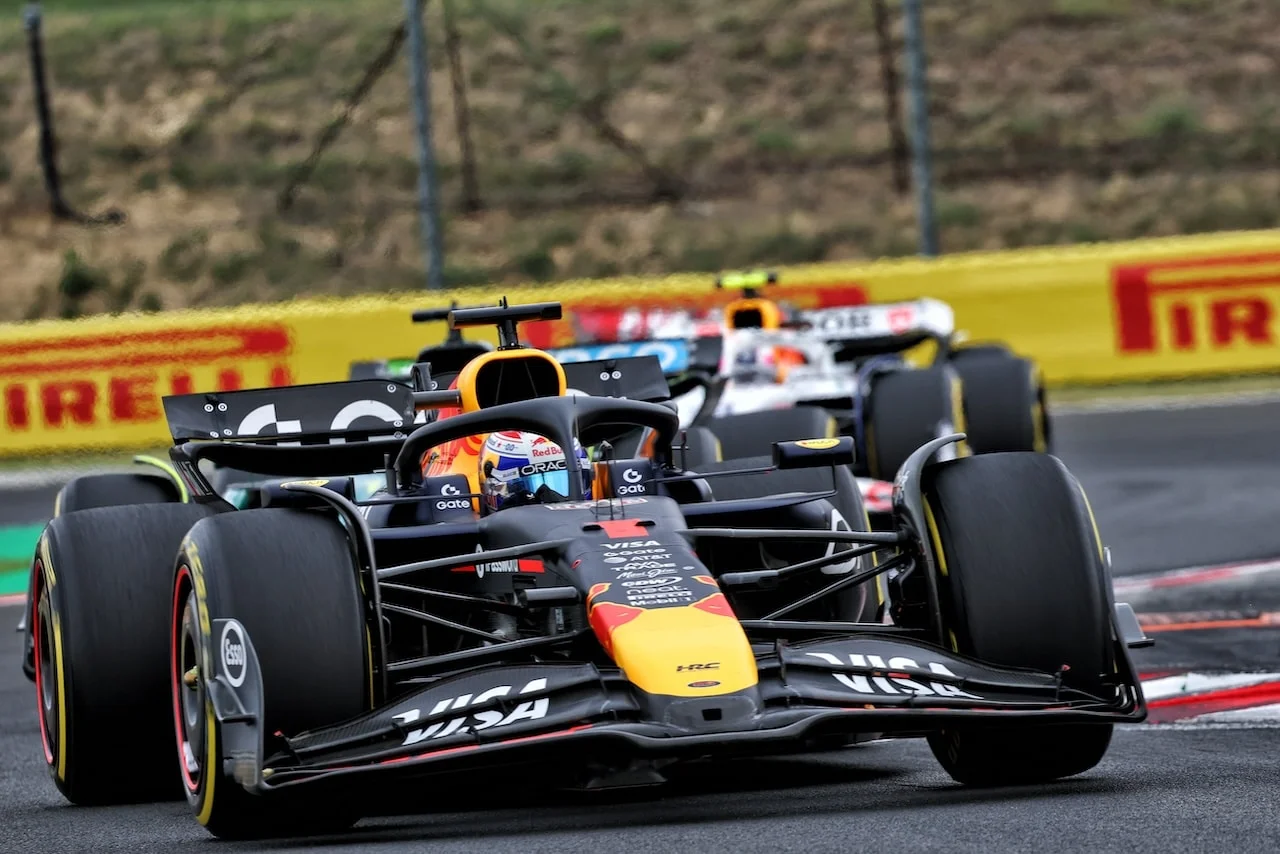
When discussing the upcoming F1 rules—which will see a significant increase in electrical power and the removal of the MGU-H—Verstappen famously remarked that the changes were turning Formula 1 into Formula E on steroids
. At the time, the comment was widely interpreted as a critique, suggesting that F1 was sacrificing its unique identity by leaning too heavily into the electrical characteristics that define Formula E.
However, his recent positive feedback regarding the Gen4 car suggests that while he may dislike the “electrification” of F1, he respects the specific evolution of Formula E as a standalone discipline. By praising the Gen4 contender, Verstappen is acknowledging that the electric series is successfully carving out its own high-performance identity rather than simply acting as a slower alternative to traditional racing.
Decoding the Gen4 Leap: What Changes?
The Gen4 car represents the next evolutionary step for Formula E, succeeding the Gen3 platform. While specific technical dossiers are often guarded, the Gen4 project is designed to push the limits of electric performance, focusing on increased efficiency, higher top speeds, and improved energy recovery systems.
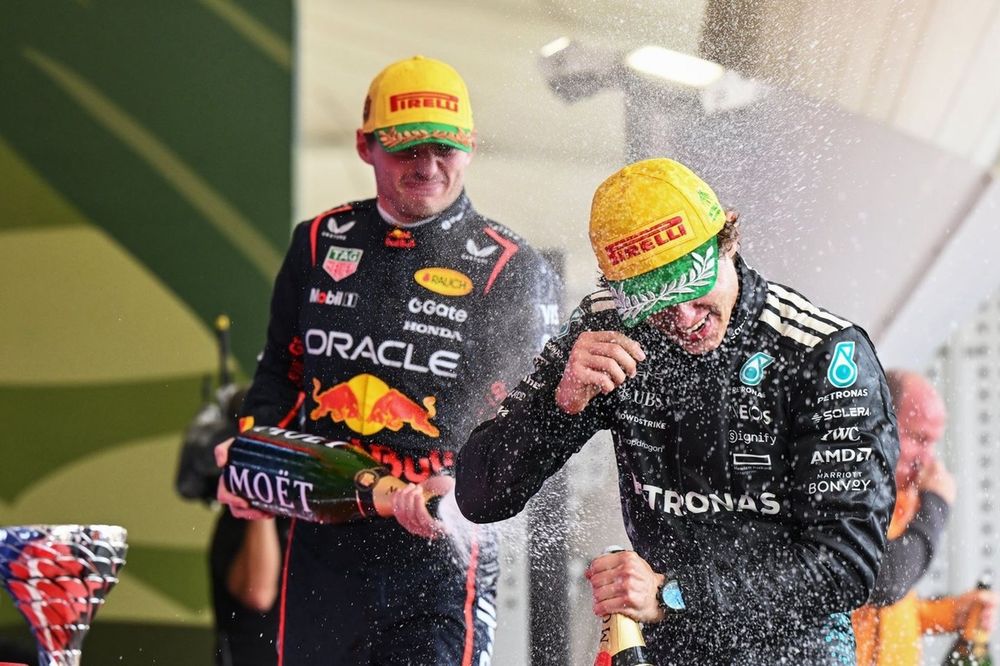
For a driver like Verstappen, who prioritizes chassis agility and immediate torque, the Gen4’s focus on enhancing the driving experience is likely the primary draw. The transition from Gen3 to Gen4 aims to reduce the “artificial” feel some drivers associate with electric racing, moving closer to the organic handling characteristics found in top-tier open-wheel categories.
The development of Gen4 is central to Formula E’s strategy to remain relevant in a landscape where automotive manufacturers are rapidly diversifying their portfolios. By creating a car that appeals to a “purist” like Verstappen, the series validates its technical legitimacy among the world’s most elite drivers.
The 2026 Convergence: A New Era for Motorsport
The timing of Verstappen’s comments coincides with a broader convergence in motorsport technology. By 2026, the distinction between “electric” and “hybrid” racing will be less about the presence of a battery and more about the ratio of power delivery.
In Formula 1, the 2026 regulations will introduce a power unit where the electrical component provides a much larger share of the total output compared to the current era. This shift is intended to make F1 more attractive to manufacturers focusing on road-going electric vehicles (EVs) and hybrids. The skills required to manage energy recovery and deployment—skills that are the cornerstone of Formula E—will grow even more critical for F1 drivers.
Verstappen’s openness to the Gen4 car may be a subconscious recognition of this reality. As F1 adopts more “Formula E-style” energy management, the technical overlap between the two series grows. The ability to extract maximum performance from a battery-dependent system is no longer a niche skill; it is becoming a requirement for any driver wishing to remain competitive at the highest level of the sport.
What This Means for the Paddock
While there is no indication that Max Verstappen is planning a move to electric racing or seeking a dual-series seat, his approval provides a massive psychological boost to the Formula E community. When the most dominant driver in modern F1 history gives a “thumbs up” to a piece of machinery, it elevates the prestige of that hardware.
This shift in attitude could also open the door for more F1 drivers to experiment with electric racing during the off-season. The relationship between Verstappen and Antonio Felix da Costa highlights a growing camaraderie and mutual respect between the two disciplines, breaking down the “us vs. Them” mentality that characterized the early years of the electric series.
it signals to sponsors and manufacturers that the Gen4 car is hitting the mark. If the car can impress a driver who demands the absolute peak of automotive performance, it suggests that the Gen4 platform is a genuine racing machine rather than a mere laboratory for urban mobility.
Key Technical Transitions: Gen3 vs. Gen4
| Feature | Gen3 Focus | Gen4 Objective |
|---|---|---|
| Power Delivery | Introduction of front/rear powertrain | Enhanced seamless power integration |
| Energy Recovery | High regenerative braking capacity | Increased efficiency and reduced heat loss |
| Driving Dynamics | Aggressive, high-torque handling | Refined chassis feel and “organic” response |
| Sustainability | Sustainable materials in construction | Next-gen battery chemistry and recyclability |
The Road Ahead
As the motorsport world prepares for the 2026 season, all eyes will be on the official unveiling and testing phases of the Gen4 car. The industry will be watching to see if Verstappen’s early approval holds true once the car is put through its paces on a competitive track.
The next confirmed checkpoint for the series is the finalization of the Gen4 technical regulations and the subsequent rollout of prototype testing. These milestones will determine whether the Gen4 car can truly bridge the gap between electric efficiency and the raw excitement that drivers like Verstappen demand.
Do you reckon the 2026 F1 regulations are moving too far toward the Formula E model, or is this the necessary evolution of the sport? Share your thoughts in the comments below.