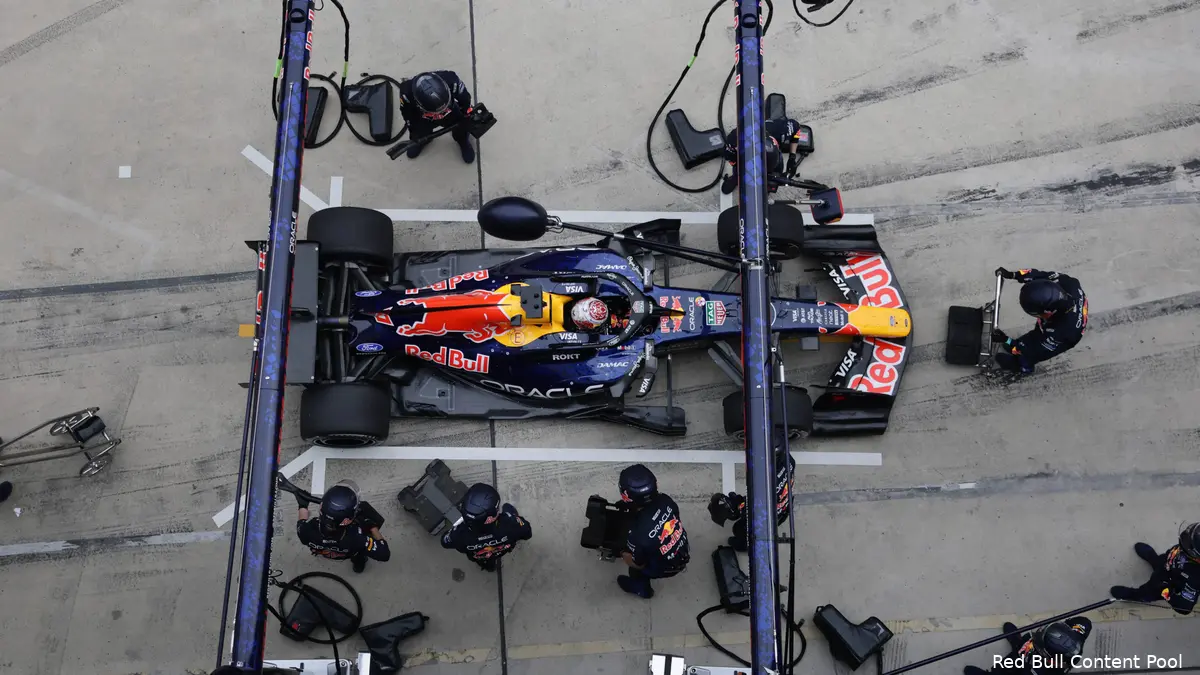
Suzuka, Japan – Red Bull Racing is attributing Max Verstappen’s disappointing finish at the recent Chinese Grand Prix to a cooling system failure within the car’s Energy Recovery System (ERS). The issue, which forced the reigning Formula One World Champion to retire with ten laps remaining, adds to a challenging start to the 2026 season for both Verstappen and the team. This setback follows similar struggles in Melbourne, where Verstappen experienced a lack of power at the beginning of both the Sprint and Grand Prix races.
Despite battling back to sixth place in Shanghai, Verstappen’s RB22 succumbed to the technical issue, halting his progress. Team Principal Laurent Mekies confirmed the diagnosis, stating the problem stemmed from a malfunction in the ERS cooling system. This revelation comes as Red Bull Racing navigates its first season with a Ford-powered engine, a partnership that marks a significant shift for the Milton Keynes-based outfit, returning them to Ford power for the first time since their days as Jaguar Racing.
RB22’s Cooling System Failure: A Detailed Look
The ERS is a crucial component of modern Formula One cars, recovering energy during braking and acceleration to provide an extra boost of power. Maintaining optimal temperatures within the ERS is vital for its efficient operation and reliability. A failure in the cooling system can lead to overheating, causing performance degradation and a mechanical failure. The Red Bull Racing RB22, designed by a team including Pierre Waché (Technical Director), Ben Waterhouse (Head of Performance Engineering), and Paul Monaghan (Chief Engineer, Car Engineering), is a complex machine, and the integration of the fresh Ford power unit presents unique engineering challenges. According to Wikipedia, the RB22 weighs 770 kg (including driver, coolant and oil) and utilizes Pirelli P Zero tires for dry conditions and Pirelli Cinturato tires for wet conditions.
Mekies acknowledged that the cooling system issue wasn’t the sole contributor to the team’s struggles during the Chinese Grand Prix weekend. “We had to retire Max due to a failure in the cooling system,” Mekies stated. “This wasn’t our only problem; our package showed a number of significant shortcomings in performance.” This suggests that Red Bull Racing is facing broader challenges with the RB22’s overall performance, potentially related to aerodynamic efficiency, chassis balance, or the integration of the Ford power unit.
Verstappen’s Difficult Start to the 2026 Season
The Chinese Grand Prix marked the second consecutive race weekend where Verstappen faced difficulties. In Melbourne, he experienced a noticeable lack of power off the starting grid in both the Sprint and the Grand Prix, hindering his ability to compete at the front of the field. While he demonstrated his racing prowess by fighting through the field, the underlying performance issues remained a concern. The RB22, powered by the Red Bull Ford DM01 1.6 L V6 turbocharged engine, is designed to deliver peak performance, but these early-season setbacks raise questions about its competitiveness against rivals like Ferrari and Mercedes.
Despite the setbacks, Verstappen remains a formidable competitor, and Red Bull Racing is confident in its ability to address the issues plaguing the RB22. Mekies expressed optimism about the team’s prospects for the upcoming Japanese Grand Prix, stating, “We have learned a lot in recent weeks, and I expect we will be more competitive from the next race in Japan in two weeks.” This suggests that Red Bull Racing is working diligently to identify and rectify the problems with the car, focusing on both the cooling system and the broader performance deficiencies.
The Ford Partnership and its Challenges
The 2026 season marks a new era for Red Bull Racing, as they have partnered with Ford to supply their power units. This collaboration represents a return to Ford power for the team, having previously been powered by Ford engines during their time as Jaguar Racing. The integration of a new power unit always presents challenges, requiring significant engineering effort to optimize performance and reliability. As Red Bull Racing notes, adapting to the new hybrid system is a key focus for Verstappen and the team.
Ben Hodgkinson serves as the Technical Director – Power Unit, leading the efforts to maximize the performance of the Red Bull Ford DM01 engine. The team is likely working closely with Ford engineers to address any issues related to the power unit’s integration with the RB22 chassis. The success of this partnership will be crucial for Red Bull Racing’s championship aspirations in the coming seasons.
Looking Ahead to the Japanese Grand Prix
The Japanese Grand Prix, scheduled to grab place at the Suzuka International Racing Circuit, represents a critical opportunity for Red Bull Racing to turn the tide. Mekies emphasized the team’s commitment to overcoming the current limitations, stating, “We have a great group of talented people on campus, and I have full confidence that we will overcome our current limitations thanks to a huge effort from everyone, and quickly improve our package.” This commitment underscores the team’s determination to deliver a competitive car for Verstappen and his teammate, Isack Hadjar, who made his debut with Red Bull following his time in Racing Bulls.
The team will likely focus on several key areas in preparation for the Japanese Grand Prix, including optimizing the ERS cooling system, refining the aerodynamic package, and fine-tuning the chassis setup. Data gathered from the Chinese Grand Prix will be crucial in identifying areas for improvement. The Japanese Grand Prix will provide a valuable opportunity to assess the effectiveness of these changes and gauge the RB22’s competitiveness against its rivals.
The Formula One season is a long and demanding one, and Red Bull Racing has demonstrated its ability to overcome challenges in the past. While the early-season setbacks are concerning, the team’s technical expertise and Verstappen’s exceptional driving skills provide a solid foundation for a strong championship campaign. The next few races will be crucial in determining whether Red Bull Racing can regain its position at the front of the grid.
The team’s ability to address the cooling system issues and unlock the full potential of the Red Bull Ford DM01 engine will be paramount. The Japanese Grand Prix will serve as a key test of their progress, and fans will be eagerly watching to notice if Verstappen and Red Bull Racing can bounce back from their recent struggles.
The next major checkpoint for Red Bull Racing will be the qualifying session for the Japanese Grand Prix on April 19th, 2026, where the team will have a clear indication of its progress. Stay tuned to World Today Journal for continued coverage of the Formula One season and the latest updates from Red Bull Racing.
What are your thoughts on Red Bull Racing’s challenges? Share your opinions in the comments below, and don’t forget to share this article with fellow Formula One enthusiasts!