The sporting world often speaks of “arrival” moments—those singular flashes of brilliance where a prospect ceases to be a promise and becomes a reality. For Formula 1, that moment occurred exactly one decade ago. Today, May 15, 2026, we mark the tenth anniversary of the Max Verstappen historic win in Spain, a race that did more than just award a trophy; it fundamentally shifted the trajectory of modern motorsport.
Looking back from the vantage point of 2026, the 2016 Spanish Grand Prix feels less like a race and more like a prologue. For those of us who have spent years analyzing athlete trajectories, the victory at the Circuit de Barcelona-Catalunya was a seismic event. It wasn’t merely that a teenager had won; it was the clinical, uncompromising manner in which he did so, signaling the end of one era and the aggressive dawn of another.
At the time, the narrative surrounding the young Dutchman was one of volatility and raw speed. He had been a disruptor from his debut, challenging the established hierarchies of the paddock. However, the victory in Spain served as the definitive proof that his talent was matched by a capacity for victory under extreme pressure. It remains one of the most significant milestones in the history of the sport, redefining the expectations for age and experience in the cockpit of a premier racing machine.
As an editor who has covered the intersection of talent and analytics for over a decade, I view this anniversary not just as a celebration of a single race, but as a study in sporting disruption. The win in Spain was the catalyst for a decade of dominance, proving that the traditional “apprenticeship” period in Formula 1 could be bypassed by a generational talent with the right machinery and an iron will.
The High-Stakes Gamble: From Toro Rosso to Red Bull
To understand the weight of the victory, one must recall the chaotic circumstances leading up to the weekend. In a move that sent shockwaves through the paddock, Verstappen was promoted from the junior Scuderia Toro Rosso team to the senior Red Bull Racing squad mid-season. He replaced Daniil Kvyat in a decision that many critics at the time viewed as premature, if not reckless.
The promotion was a massive gamble by the Red Bull hierarchy. In the rigid structure of Formula 1, moving a driver into a top-tier seat without a full season of preparation is rare. Yet, Verstappen’s performance during the practice and qualifying sessions in Spain suggested that the gamble was paying off. He didn’t just adapt to the more powerful car; he pushed it to its absolute limits immediately, demonstrating a level of comfort and aggression that unsettled the veterans on the grid.
This transition highlighted a shift in how teams identified “readiness.” The traditional path—spending years in feeder series and junior teams—was being rewritten. Verstappen’s promotion proved that for a certain tier of athlete, the only way to truly test their ceiling is to place them in the fastest car available. This “fast-track” philosophy has since influenced how other teams approach their driver academies, though few have found a successor as naturally gifted as Verstappen.
Chaos in Catalonia: The Race That Changed Everything
The race itself was a masterclass in seizing opportunity. While Verstappen’s pace was undeniable, the 2016 Spanish Grand Prix is equally remembered for the dramatic collapse of the Mercedes hegemony. The tension of the era—the simmering rivalry between teammates Lewis Hamilton and Nico Rosberg—reached a breaking point on the track.
In a spectacular and high-speed collision, the two Mercedes drivers took each other out of the race, leaving a vacuum at the front of the field. For many drivers, such a chaotic opening would have led to hesitation. For Verstappen, it was an invitation. He navigated the melee with a precision that belied his age, eventually claiming the lead and managing the gap to the chasing pack with a maturity that silenced his detractors.
From a technical perspective, the win was a result of both strategic execution and raw pace. The Red Bull car was competitive, but it was the driver’s ability to maintain tire life while defending against the Ferraris—specifically Sebastian Vettel—that secured the result. It was a display of tactical intelligence that suggested Verstappen was not just a “fast kid,” but a complete racer capable of managing a Grand Prix from start to finish.
Rewriting the Record Books
The statistics from that day remain staggering, even ten years later. By crossing the finish line first on May 15, 2016, Max Verstappen became the youngest driver ever to win a Formula 1 Grand Prix. He achieved this feat at the age of 18 years and 228 days, a record that stands as a testament to his precocity.
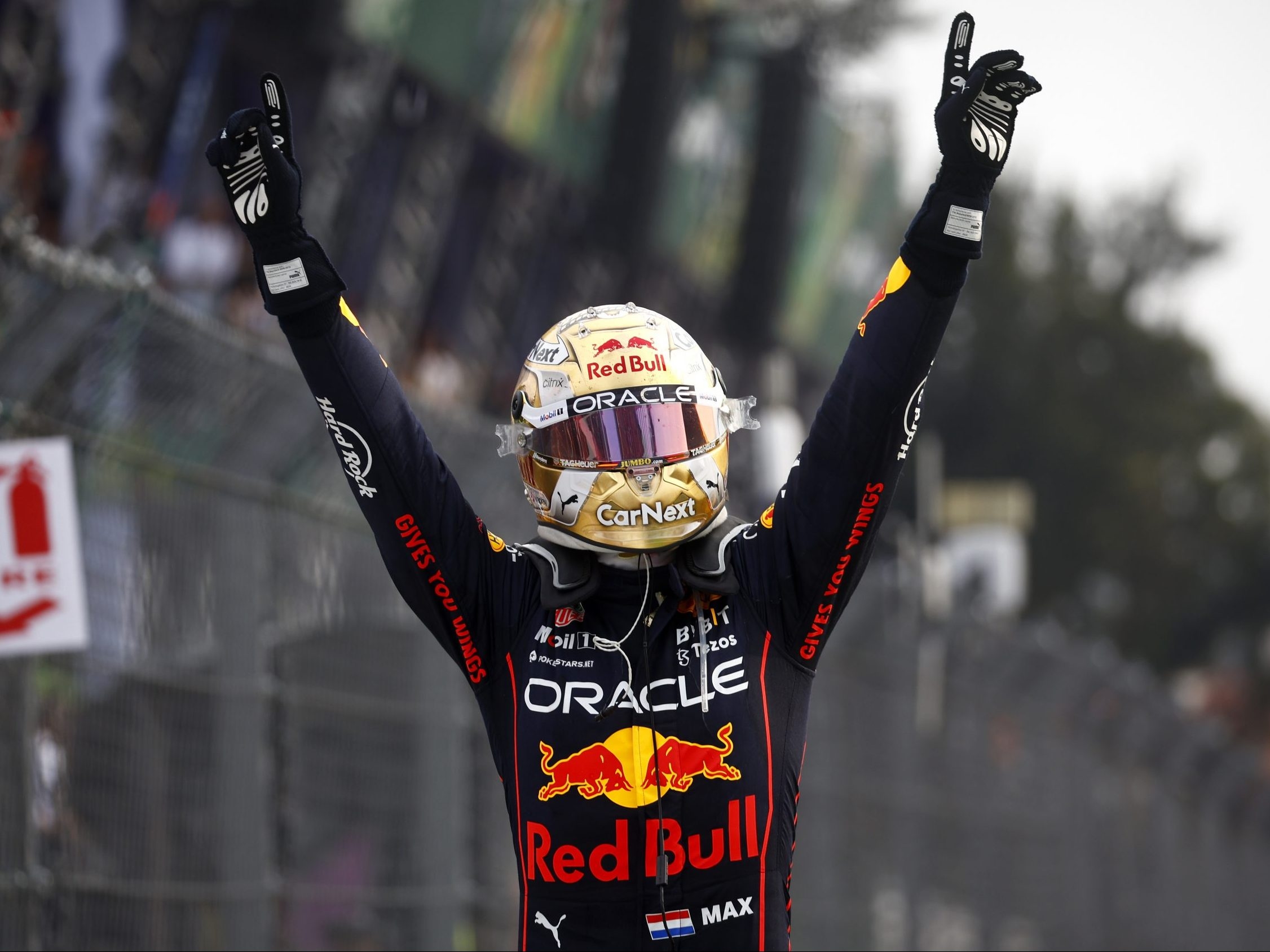
Beyond the age record, the victory held immense national significance. Verstappen became the first Dutchman to ever win a Grand Prix, sparking a surge of “Orange Army” fandom that has since become a permanent and loud fixture of the F1 calendar. This wasn’t just a win for a team or a driver; it was the birth of a national obsession with motorsport in the Netherlands.
When we analyze the “youngest winner” record, It’s significant to consider the context of the era. The 2010s were dominated by seasoned champions and strategic conservatism. For an 18-year-old to not only compete but dominate in such an environment was an anomaly. It forced the FIA and the teams to reconsider the age requirements and the psychological preparation of young drivers entering the sport.
The Legacy: A Decade of Dominance
The victory in Spain was the first domino to fall in a sequence that led to multiple World Championships and a level of dominance rarely seen since the eras of Michael Schumacher or Lewis Hamilton. The confidence gained in Barcelona acted as a psychological springboard; once Verstappen knew he could win at the highest level, the “fear factor” disappeared entirely.
For the sport of Formula 1, this win heralded the “Verstappen Era”—a period characterized by an aggressive driving style and a relentless pursuit of perfection. He shifted the meta of the sport, forcing other drivers to adapt to a more assertive style of wheel-to-wheel combat. The clinical efficiency he displayed in 2016 became the blueprint for his later championship campaigns.
this win validated the Red Bull driver development program. It proved that a structured pipeline—from karting to Formula 3, then to a junior team, and finally to the top seat—could produce a world-beater if the talent was exceptional. This model has since been emulated across various motorsport categories, emphasizing early specialization and high-pressure exposure.
Key Milestones of the 2016 Spanish Victory
- The Record: Youngest winner in F1 history at 18 years, 228 days.
- The First: First Dutch driver to secure a Grand Prix victory.
- The Promotion: First win following a mid-season move from Toro Rosso to Red Bull Racing.
- The Turning Point: Capitalized on the Hamilton-Rosberg collision to seize the lead.
What the “Spain Spark” Means for the Future
As we look toward the next decade of racing, the lessons of May 15, 2016, remain relevant. The “Spain Spark” taught the paddock that talent does not always adhere to a timeline. It reminded us that the sport is at its best when the established order is challenged by an outsider who refuses to follow the traditional rules of engagement.
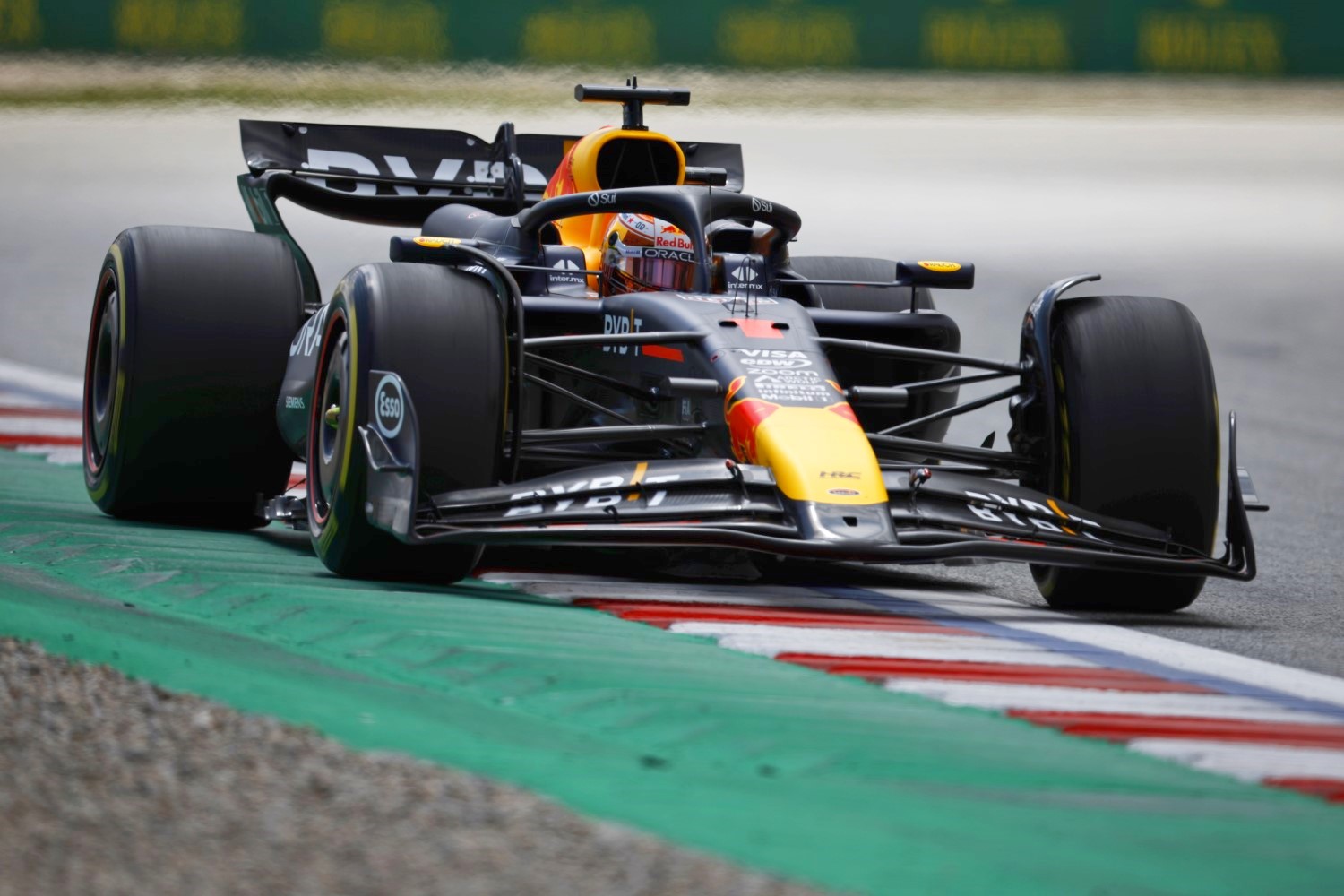
For aspiring drivers today, Verstappen’s 2016 win serves as the ultimate case study in readiness. It demonstrates that while technical skill is mandatory, the mental fortitude to seize a window of opportunity is what separates a fast driver from a champion. The ability to remain composed while the world’s best drivers are crashing around you is a rare trait, and it was on full display in Barcelona.
From my perspective in Lisbon, watching the global expansion of F1, Verstappen’s early success helped internationalize the sport’s appeal. He brought a new, younger demographic into the fold—fans who identified with his boldness and his refusal to be intimidated by the “old guard.” The growth of the sport in non-traditional markets owes a debt to the excitement generated by his rise.
The 2016 Spanish Grand Prix was not just a race; it was a declaration. It was the moment Max Verstappen told the world that the future had arrived ahead of schedule. Ten years later, that future has become the present, and the sport is forever changed because of a sunny afternoon in Catalonia.
The next major checkpoint for the Formula 1 calendar will be the upcoming summer race series, where the current standings will be further tested. We will continue to monitor how the new generation of drivers attempts to emulate the “fast-track” success of a decade ago.
Do you remember where you were when Max Verstappen took his first win in Spain? Was it a shock or an inevitability? Share your thoughts and memories in the comments below.
Keep reading