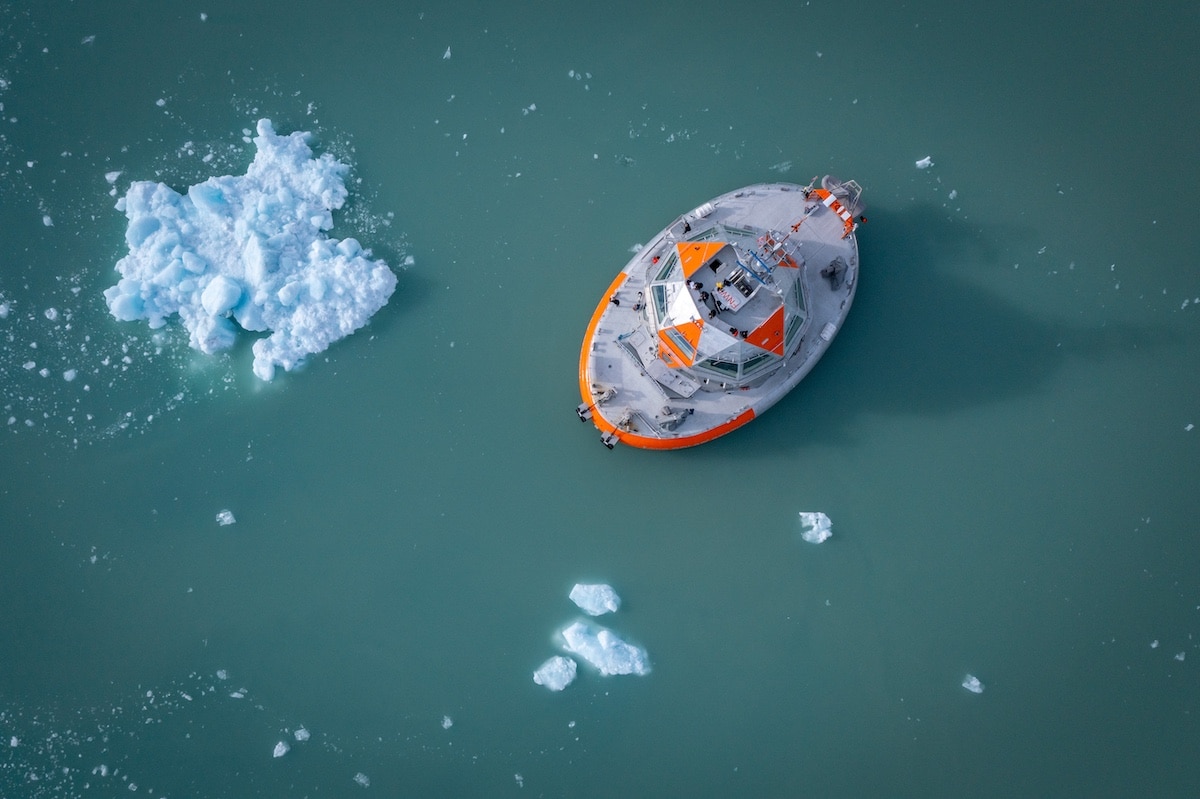
A team of international scientists is embarking on an eight-month mission aboard the polar schooner Tara, designed to drift with the Arctic ice pack to study the impacts of climate change in one of the world’s most inaccessible regions. The expedition, which departed from France in mid-July, serves as a high-stakes laboratory for observing the rapid transformation of the Arctic ecosystem, where warming trends are occurring at a rate significantly higher than the global average, according to data from the National Aeronautics and Space Administration (NASA).
The mission involves a multidisciplinary crew that will live in complete isolation as the vessel becomes trapped in the sea ice. By moving with the current, the team aims to collect longitudinal data on ocean chemistry, ice thickness, and biological activity throughout the harsh winter months. This approach mimics the historic drift patterns of past explorers but utilizes modern sensor technology to provide real-time insights into the health of the polar environment.
Scientific Objectives and Environmental Monitoring
The primary goal of the Tara expedition is to document the “Atlantification” of the Arctic—a process where warmer, saltier water from the Atlantic Ocean infiltrates the Arctic basin, fundamentally altering local habitats. Scientists on board will monitor the migration of species and the shifts in the food web, which are critical indicators of broader environmental stability. According to the Arctic Council, the Arctic is warming nearly four times faster than the rest of the planet, making the data gathered by the Tara team vital for refining climate modeling and predictive weather patterns.
The research is not limited to water samples; the team is also investigating the atmospheric interactions between the ice and the air. By deploying autonomous buoys and specialized meteorological equipment, the researchers intend to capture data points that are currently missing from global climate databases. These observations are essential for understanding how the loss of perennial sea ice affects global weather systems, including the jet stream, as noted by the World Meteorological Organization.
Logistics and the Reality of Isolation
Life aboard the Tara requires meticulous preparation for extreme conditions. The vessel is equipped to handle temperatures that can drop well below -40°C, and the crew must be self-sufficient for the duration of the eight-month drift. The expedition is supported by a global network of logistics partners, ensuring that the vessel remains a functional research hub despite being encased in ice. The crew includes experts in oceanography, biology, and polar navigation, all of whom have undergone rigorous training to manage both the scientific equipment and the psychological challenges of long-term isolation.
Communication with the outside world will be limited to satellite links, which will also be used to transmit the team’s findings back to research institutions in real-time. This connectivity is a major technological leap from previous expeditions of this nature, allowing for an immediate analysis of data by scientists stationed in temperate climates. The current status of the expedition can be tracked through official updates provided by the Tara Ocean Foundation, which oversees the logistics and scientific outreach for the vessel.
Why the Arctic Matters for Global Climate
The Arctic serves as a critical heat sink for the Earth, and its degradation has immediate consequences for sea levels and ocean currents worldwide. The data collected by the Tara team will contribute to a better understanding of the carbon cycle in the Arctic Ocean, specifically how it absorbs or releases greenhouse gases. According to the Intergovernmental Panel on Climate Change (IPCC), the preservation of the Arctic cryosphere is essential to mitigating the most severe impacts of global temperature rise.
The expedition is scheduled to conclude its drift in the spring, at which point the vessel will be extracted from the ice. Researchers anticipate that the findings will form the basis of numerous peer-reviewed studies to be published in the following year. For those interested in the ongoing progress of the mission, the Tara Ocean Foundation provides periodic reports and educational resources on their official website. We encourage readers to share their thoughts on the importance of polar research in the comments section below.