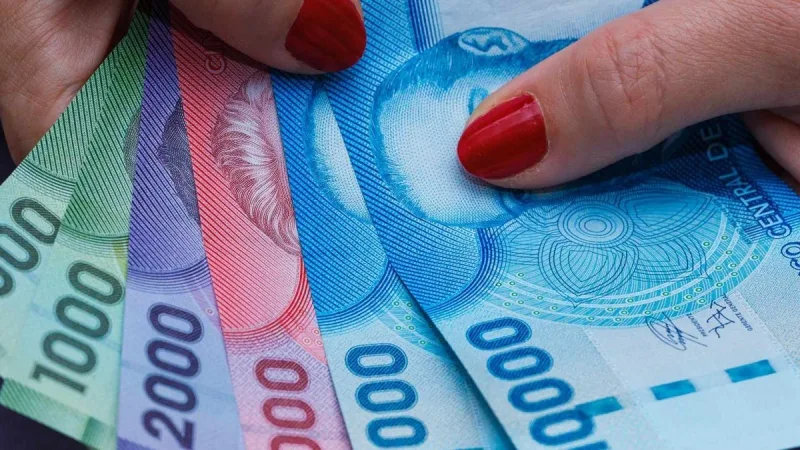
May 18, 2026 — Chilean mothers and pregnant women are preparing to apply for two critical financial support programs in 2024: the Subsidio Maternal (SUF Maternal) and the Bono al Trabajo de la Mujer (BTM). These government-backed bonuses provide essential financial assistance during pregnancy and early motherhood, but eligibility requirements and application processes can be complex. With recent updates to the programs, understanding the latest criteria is crucial for those seeking support. Below, we break down the verified requirements, application deadlines, and key considerations for both bonuses, based on official Chilean government sources.
As of May 2024, the Chilean government has emphasized these programs as part of its broader social welfare strategy to reduce poverty among families with children. The Subsidio Maternal offers direct financial aid to low-income mothers, while the Bono al Trabajo de la Mujer provides targeted support to women re-entering or entering the workforce. However, strict eligibility rules—such as income thresholds, residency status, and prior benefit exclusions—can limit access. This guide ensures you have the most accurate, up-to-date information to navigate these programs successfully.
For those unfamiliar with Chile’s social welfare system, these bonuses are part of a larger framework designed to support vulnerable populations. The Subsidio Maternal, for instance, is administered by the Instituto de Previsión Social (IPS), while the BTM falls under the Ministerio de la Mujer y la Equidad de Género. Both programs require careful documentation, from proof of pregnancy to income declarations. Below, we outline the verified steps to qualify, along with practical tips to avoid common application pitfalls.
Understanding the Two Key Maternal Support Bonuses
The Chilean government offers two distinct financial support programs for mothers: the Subsidio Maternal (SUF Maternal) and the Bono al Trabajo de la Mujer (BTM). While both aim to alleviate financial burdens, they serve different purposes and have unique eligibility criteria. Below, we clarify the distinctions and requirements for each.
1. Subsidio Maternal (SUF Maternal): Direct Financial Aid for Pregnant and New Mothers
The Subsidio Maternal is a monthly cash transfer designed to support low-income mothers during pregnancy and the first year of their child’s life. Administered by the Instituto de Previsión Social (IPS), this bonus is part of Chile’s broader social protection network. To qualify, applicants must meet several key criteria:
- Income Threshold: Applicants must demonstrate a monthly family income below the poverty line, which in 2024 is set at approximately CLP $500,000 per capita (or equivalent regional adjustments). This threshold is verified through official income declarations submitted to the IPS.
- Residency Status: Applicants must be Chilean citizens or permanent residents with valid documentation, such as a cédula de identidad or pasaporte chileno. Temporary residents or undocumented individuals are ineligible.
- Pregnancy or Child Dependency: The bonus is available to women who are pregnant (from the 12th week of gestation) or have a child under 1 year old. Documentation such as a medical certificate or birth certificate is required.
- No Overlapping Benefits: Applicants cannot simultaneously receive other family benefits, such as the Asignación Familiar or Subsidio Único Familiar (SUF), unless they meet specific exceptions outlined by the IPS.
One critical clarification from the IPS is that the Subsidio Maternal is not available to women who are already receiving the Bono al Trabajo de la Mujer. These programs are mutually exclusive to prevent double-dipping of government resources. For those who qualify, the bonus amount is adjusted annually based on inflation and economic conditions. As of 2024, the monthly payment ranges from CLP $30,000 to CLP $50,000, depending on the applicant’s region and family size.
2. Bono al Trabajo de la Mujer (BTM): Support for Working Mothers
Unlike the Subsidio Maternal, the Bono al Trabajo de la Mujer (BTM) is targeted at women who are either entering the workforce or returning after a period of inactivity. Administered by the Ministerio de la Mujer y la Equidad de Género, this bonus provides a one-time financial incentive to encourage female labor participation. Key eligibility requirements include:
- Employment Status: Applicants must be women aged 18–59 who are either newly employed or re-entering the workforce after a gap of at least 12 months. Self-employed women are also eligible, provided they can demonstrate regular income.
- Income Verification: The applicant’s monthly income must not exceed CLP $600,000 (adjusted for regional disparities). This threshold is stricter than that of the Subsidio Maternal, reflecting the BTM’s focus on economic reintegration.
- No Prior Benefits: Women who have received the BTM in the past are ineligible for a second payout. Those already receiving unemployment benefits or other labor-related subsidies may be disqualified.
- Documentation: Applicants must submit a labor contract, employment certificate, or proof of self-employment registration (e.g., RUT and tax filings). For re-entering workers, a letter from the employer confirming the return to work is required.
The BTM is a one-time payment of CLP $100,000 for 2024, though this amount may vary based on government budget allocations. Unlike the Subsidio Maternal, the BTM does not require proof of pregnancy or child dependency, making it accessible to a broader range of working women.
Recent Updates and Key Considerations for 2024
In recent months, the Chilean government has introduced clarifications to both programs to address common misconceptions and streamline the application process. For instance, the IPS has emphasized that the Subsidio Maternal is now available to single mothers and women in informal employment, provided they meet the income threshold. Similarly, the BTM has expanded eligibility to include women in technical or vocational training programs who secure employment within six months of completion.
However, applicants should be aware of two critical developments:
- Digital Application Requirement: Both programs now require online applications through the Ingresa Chile platform. Paper applications are no longer accepted, and applicants must create an account with their RUT and digital signature to proceed.
- Income Verification Delays: Due to increased scrutiny, the processing time for income declarations has extended to an average of 60 days in some regions. Applicants are advised to submit documentation as early as possible to avoid delays in receiving payments.
the government has introduced a pre-approval system for the BTM, where women can check their eligibility before applying. This tool, available on the Ministerio de la Mujer y la Equidad de Género website, allows applicants to input their income and employment status to receive an instant eligibility assessment.
Step-by-Step Application Guide
Navigating the application process for these bonuses can be daunting, but following these verified steps will help ensure a smooth experience:
- Gather Required Documents:
- For Subsidio Maternal: Medical certificate of pregnancy (from the 12th week) or child’s birth certificate, cédula de identidad, income declaration (Formulario Único de Declaración de Ingresos), and proof of residency.
- For Bono al Trabajo de la Mujer: Labor contract, employment certificate, RUT, tax filings (if self-employed), and proof of income (last three pay slips or bank statements).
- Create an Account on Ingresa Chile: Visit Ingresa Chile and register using your RUT and digital signature. This platform is the sole gateway for both applications.
- Complete the Online Application:
- Select the program (Subsidio Maternal or BTM) and fill out the required fields accurately. Errors in income or personal details can lead to automatic disqualification.
- Upload all documents in the specified formats (PDF or JPEG). The system will flag missing or invalid files.
- Submit and Track Status: After submission, applicants will receive a confirmation email with a tracking number. The IPS or Ministerio de la Mujer will notify applicants of any deficiencies within 15 days. For the BTM, pre-approval status can be checked here.
- Follow Up on Delays: If processing takes longer than expected, applicants can contact the relevant agency:
- For Subsidio Maternal: Call the IPS helpline at +56 22 410 1000.
- For BTM: Email [email protected] or call +56 22 380 2000.
Who Is Affected and Why It Matters
These maternal support bonuses directly impact approximately 1.2 million Chilean women annually, according to the National Institute of Statistics (INE). The programs play a pivotal role in reducing child poverty rates, which currently stand at 18.4%—one of the highest in the OECD. By providing targeted financial relief, the government aims to offset the economic burdens of raising children, particularly in low-income households.
For single mothers, who constitute 22% of Chilean households with children, these bonuses are often the difference between covering basic needs like food, healthcare, and education. The BTM, in particular, addresses the gender employment gap in Chile, where women earn 36% less than men on average. By incentivizing female workforce participation, the BTM contributes to broader economic equality.
Critics argue that the income thresholds for both programs are too restrictive, excluding many women who could benefit from the support. For example, in regions like Región de Tarapacá, where the cost of living is higher, the Subsidio Maternal‘s CLP $500,000 cap may not reflect local economic realities. Advocacy groups, such as Fundación Equidad, have called for regional adjustments to the thresholds, but as of 2024, no changes have been implemented.
Key Takeaways: What You Need to Know
- Eligibility is strict but verifiable: Both programs require precise documentation, including income declarations and residency proof. Applicants should double-check all details before submission.
- Digital applications are mandatory: Paper forms are no longer accepted. Ensure you have access to a digital signature and the Ingresa Chile platform.
- Mutual exclusivity applies: You cannot receive both the Subsidio Maternal and the BTM simultaneously. Choose the program that best fits your situation.
- Processing times vary: Allow up to 60 days for income verification, especially in high-demand regions.
- Regional disparities exist: Bonus amounts and income thresholds may differ by region. Check your local IPS or Ministerio de la Mujer office for specifics.
- Support is available: Both the IPS and Ministerio de la Mujer offer helplines and online FAQs to assist with questions.
Next Steps and Official Updates
The next official update for both programs is scheduled for June 30, 2024, when the Chilean government will announce any adjustments to the 2025 budget allocations for social welfare. This date marks the deadline for the 2024 application cycle, after which new applicants will need to reapply under the following year’s criteria. For real-time updates, monitor the following official channels:
- Instituto de Previsión Social (IPS) – For Subsidio Maternal updates.
- Ministerio de la Mujer y la Equidad de Género – For BTM announcements.
- Ingresa Chile – For application status and pre-approval tools.
If you’re a mother or pregnant woman in Chile, now is the time to gather your documents and apply. These bonuses can provide much-needed financial relief, but the process requires careful attention to detail. For those who may not qualify, exploring other social welfare programs—such as the Asignación Familiar or Subsidio Único Familiar (SUF)—may offer alternative support.
Have you applied for these bonuses? Share your experience in the comments below, or reach out to us with questions. Your insights could help others navigate this process successfully. For further reading, explore our guides on Chile’s economic policies and global maternal support programs.
Keep reading