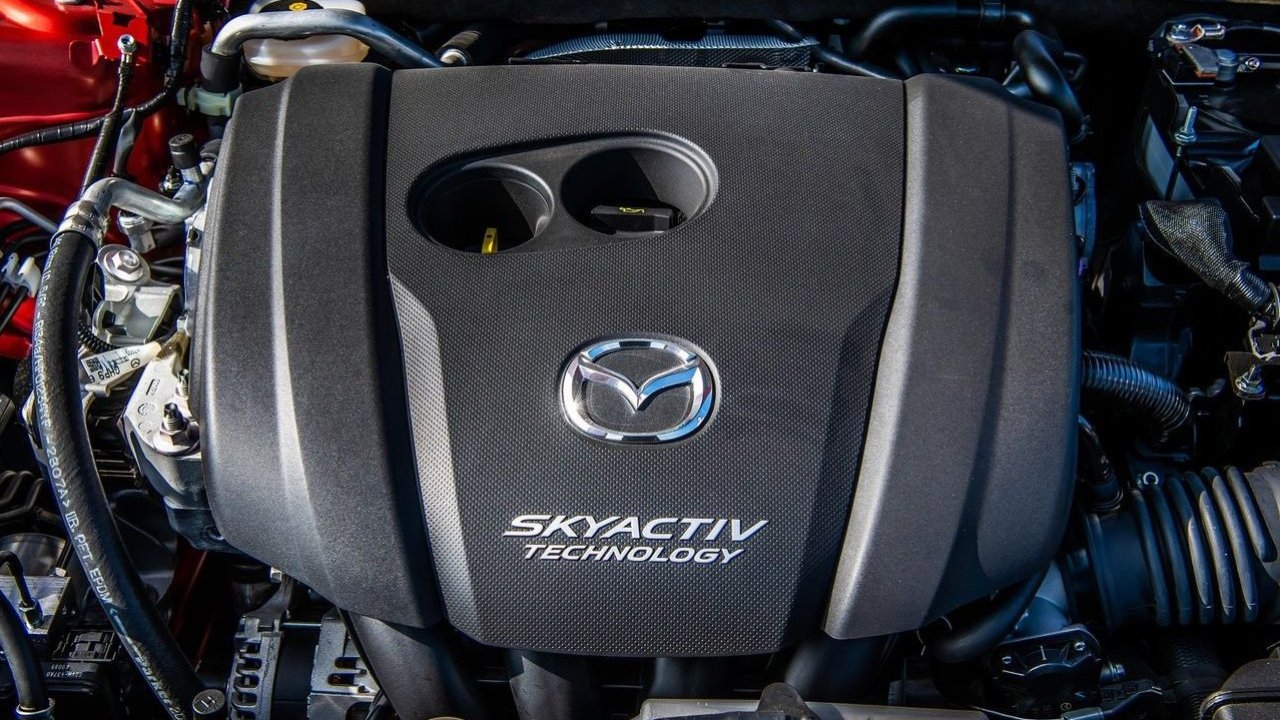
For the discerning buyer in the pre-owned market, Mazda’s Skyactiv-G technology represents a distinct departure from the industry’s aggressive shift toward turbocharging, and downsizing. As a financial analyst and automotive observer, I have tracked how Mazda’s philosophy—prioritizing high compression ratios and internal efficiency—has created a unique value proposition for second-hand vehicle buyers. Understanding the nuances of the 2.0 and 2.5-liter Skyactiv engines is essential for anyone evaluating a used Mazda, as these powertrains are generally regarded as some of the most reliable naturally aspirated units in modern production.
When considering a used Mazda 2.0 and 2.5 Skyactiv, prospective owners are essentially weighing long-term mechanical simplicity against the periodic maintenance requirements inherent to high-compression engines. Unlike many of its competitors that rely on complex forced-induction systems, Mazda’s Skyactiv-G architecture focuses on fluid dynamics, combustion efficiency, and friction reduction. This approach has garnered a reputation for longevity, though it requires a disciplined approach to service schedules to maintain optimal performance.
The Engineering Philosophy Behind Skyactiv-G
At the heart of the debate regarding used vehicle reliability is the Skyactiv-G’s signature high compression ratio, which in many global markets reaches 13.0:1 or 14.0:1. According to technical documentation from Mazda’s official innovation portal, this design is intended to extract more energy from every drop of fuel, effectively increasing thermal efficiency without the need for a turbocharger. For the secondary market, this means fewer components are prone to the heat-related failures often associated with turbo-wastegates or intercooler leaks.

However, this engineering choice introduces specific considerations. High-compression engines are more sensitive to carbon buildup on the intake valves, a common byproduct of the direct-injection fuel system. While this is not a catastrophic design flaw, it is a reality of the technology. Owners who frequently operate their vehicles on short, city-bound commutes may notice a slight degradation in throttle response over time, which can typically be addressed through professional intake system cleaning services.
Assessing Reliability: What to Look For
When auditing a vehicle’s history, the focus should remain on consistent maintenance logs. The 2.0-liter engine, frequently found in the Mazda3 and MX-5, and the 2.5-liter variant, which powers the Mazda6 and CX-5, share a common architecture that rewards diligent care. Data from the National Highway Traffic Safety Administration (NHTSA) indicates that while these powertrains have avoided major systemic recalls related to engine block integrity, buyers should be vigilant regarding peripheral components.

Key maintenance areas to investigate include:
- Ignition System: Skyactiv engines are sensitive to spark plug wear. Using factory-specified iridium plugs is critical to maintaining the combustion efficiency that the engine management system expects.
- Cooling Systems: As with any modern aluminum-block engine, the cooling system is the primary defense against long-term wear. Ensure the coolant has been flushed according to the manufacturer’s recommended interval, usually every 10 years or 200,000 kilometers for the initial service, though many mechanics suggest a more frequent 5-year cycle for older vehicles.
- Oil Integrity: The use of 0W-20 synthetic oil is standard for these engines. Given the tight tolerances within the Skyactiv-G design, using an incorrect viscosity can lead to increased friction and potential wear on the variable valve timing (VVT) actuators.
The Market Perspective: Is It Worth the Investment?
From an economic standpoint, the value of a used Mazda lies in the balance between depreciation and reliability. Because these vehicles do not rely on high-strung turbochargers, they often suffer less from the “complexity tax” that devalues European performance vehicles as they age. A 2015-2018 model year vehicle equipped with the 2.5-liter Skyactiv-G often retains a strong resale value, supported by a consistent track record in consumer reliability surveys that place the brand among the top tier for mechanical dependability.
For those debating between the 2.0 and 2.5-liter variants, the choice is largely one of utility versus efficiency. The 2.0-liter is a masterclass in fuel economy for daily commuting, while the 2.5-liter provides the necessary torque for highway driving and heavier chassis, such as the CX-5 crossover. Both engines utilize a timing chain rather than a belt, which is a significant advantage for the second-hand buyer, as it removes the need for costly periodic timing belt replacements.
Navigating the Pre-Purchase Inspection
Before finalizing any purchase, I strongly recommend a pre-purchase inspection (PPI) performed by a technician familiar with the Skyactiv platform. While the engines are robust, electrical sensors—specifically O2 sensors and mass airflow (MAF) sensors—can occasionally trigger a “Check Engine” light as the vehicle approaches the 150,000-kilometer mark. These are manageable repair costs, but they should be factored into your total cost of ownership analysis.

check the service history for evidence of transmission fluid changes. While Mazda’s Skyactiv-Drive automatic transmissions are highly regarded for their direct-shift feel, they are not “sealed for life” in a practical sense. Changing the automatic transmission fluid (ATF) at reasonable intervals significantly extends the lifespan of the transmission control module and internal clutch packs.
As we move into the next quarter, market analysts expect the demand for reliable, naturally aspirated vehicles to remain high, as buyers continue to shy away from the long-term uncertainty of early-generation hybrid systems or high-mileage turbocharged units. If you are looking for a vehicle that bridges the gap between modern efficiency and traditional mechanical durability, a well-maintained Mazda Skyactiv remains one of the most prudent choices in the current marketplace.
Have you recently purchased a used Skyactiv model or are you currently evaluating one? Share your experiences and questions in the comments below. For further updates on automotive market trends and economic analysis, subscribe to our weekly business newsletter.
Worth a look