
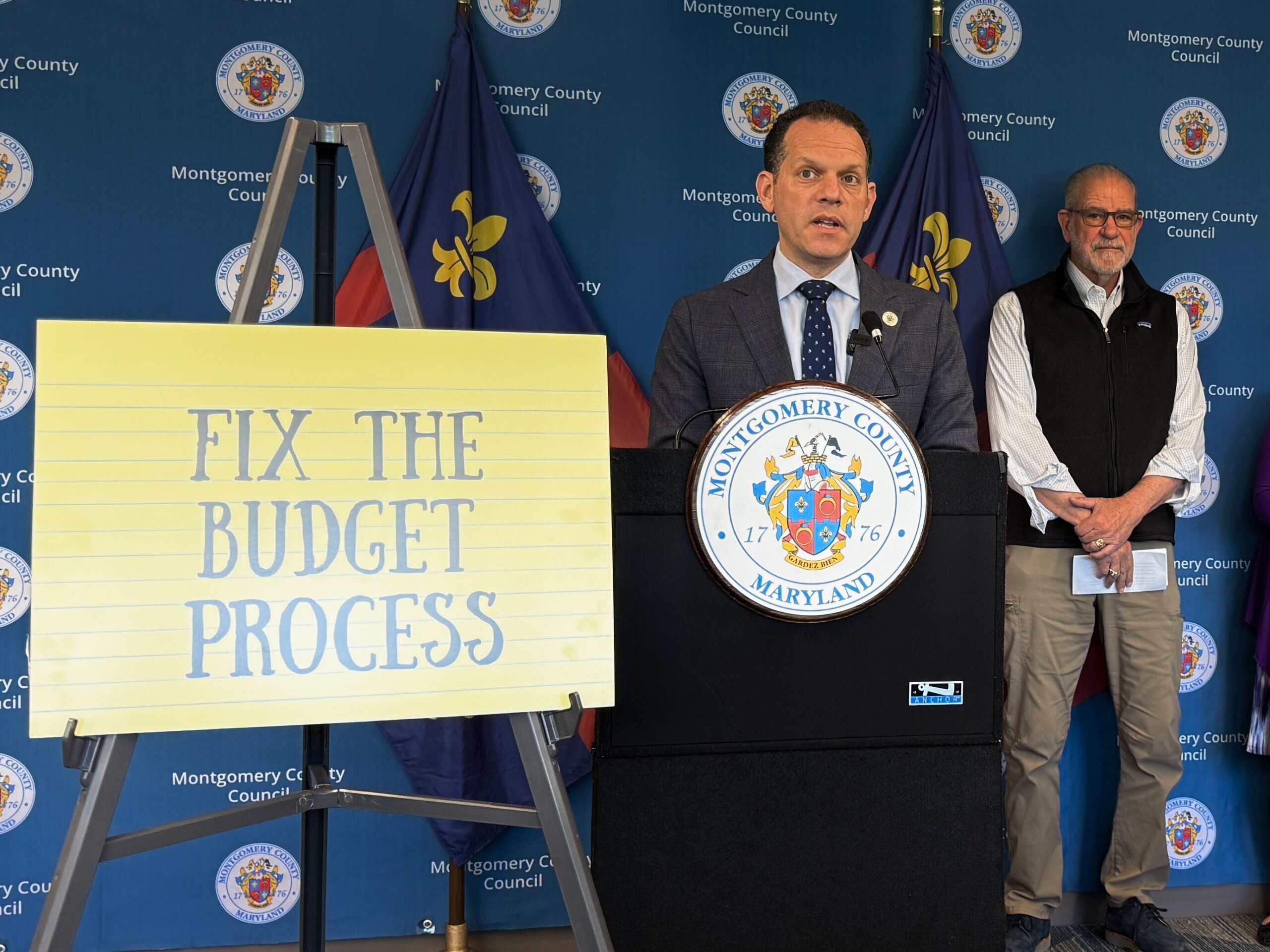
Montgomery County Councilmember Evan Glass has publicly criticized the current budget process for Montgomery County Public Schools (MCPS), labeling the existing framework as “broken.” As the school system approaches a pivotal Board of Education vote regarding its upcoming $3.7 billion budget, the proposed financial plan has sparked intense debate over fiscal oversight and transparency, particularly as the district contemplates eliminating more than 400 positions despite a planned $143 million increase in total funding for the next fiscal year.
The tension surrounding the budget highlights a broader conflict between the county’s fiscal priorities and the operational autonomy of the school system. Councilmember Glass, who is currently campaigning for the office of county executive, argues that the current structure leaves taxpayers and county officials with limited visibility into how multi-billion dollar allocations are managed. According to the Montgomery County Council website, the oversight of the school district remains a primary focus for the legislative body, which holds authority over the total appropriation of funds for the school system.
Proposed Reforms to Budget Oversight
At the center of the debate is the state-mandated 14-category budget system. Glass contends that these broad classifications serve as a barrier to meaningful public oversight. By grouping expenditures into such large buckets, the school system is afforded significant latitude in how funds are distributed after the initial budget is approved. Glass has expressed concern that once the county approves the total funding package, there is effectively no further recourse for the public or the council to scrutinize specific programmatic spending.
“within the budget, the state only requires the school systems across Maryland to have budgets within 14 broad categories,” Glass stated during a recent press conference. He noted that he has initiated discussions with Maryland Governor Wes Moore regarding potential amendments to these state-level regulations, aiming to require more granular reporting that would allow for greater transparency and public accountability.
Structural Changes to the Board of Education
Beyond fiscal transparency, Glass has proposed a fundamental shift in the governance of the Montgomery County Board of Education. Currently, the board operates as a part-time body. Glass argues that the complexity of overseeing a multi-billion dollar public agency necessitates a transition to a full-time board, supported by dedicated professional staff. This, he suggests, would provide members with the bandwidth necessary to conduct the rigorous research and oversight required for such a large-scale institution.
“How much oversight, how much research can be done by someone who essentially needs another job to sustain a living in expensive Montgomery County?” Glass asked. The proposal aims to professionalize the board, ensuring that its members can dedicate their full attention to the district’s complex financial and academic challenges.
Integrating County Executive Input
The third pillar of the reform plan focuses on the Superintendent’s Budget Advisory Committee. Glass proposes adding a representative appointed by the county executive to this body. Currently, the committee—which shapes the preliminary draft of the MCPS budget—lacks formal representation from the county government. Glass maintains that this lack of a “seat at the table” prevents the county from effectively communicating its fiscal limitations, such as the potential lack of support for property tax increases, during the earliest stages of budget formulation.
Addressing potential concerns that his proposals constitute a move toward political control, Glass emphasized that the appointment of a single representative among eight committee members would not represent a takeover. “One of eight members,” Glass clarified. “Letting the superintendent and the school board know that the county executive and the council might not be supportive of a property tax increase in order to maintain the budget that they want.”
Looking Ahead to the Vote
The Board of Education is expected to conduct its final vote on the $3.7 billion budget in the coming days. The outcome of this vote will determine the allocation of resources for the upcoming academic year and will likely serve as a catalyst for further discussions regarding the structural reforms proposed by Councilmember Glass. As the district navigates the challenges of balancing rising costs with the necessity of maintaining staffing levels, the demand for increased fiscal clarity from both the public and local government officials continues to grow.
Readers interested in following the proceedings of the Montgomery County Board of Education can access official meeting schedules, budget documents, and public hearing information through the official Montgomery County Public Schools Board of Education portal. We invite you to share your thoughts on these proposed reforms in the comments section below.