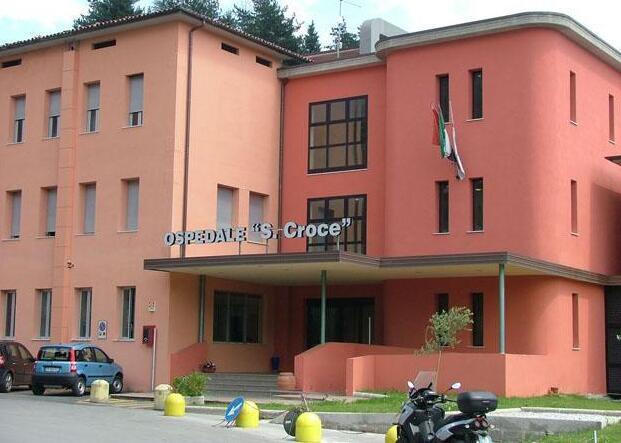
Italy’s Tuscany region is experiencing a concerning surge in measles cases, with health officials reporting a significant outbreak in the Valle del Serchio area and Lucca province. The situation underscores persistent vaccine gaps among both the general population and healthcare workers—a critical vulnerability that public health experts warn could exacerbate transmission risks. As cases rise across Italy, new data reveals that nearly 91% of confirmed measles patients in January 2026 were unvaccinated, with healthcare workers among the infected.
This outbreak comes as Italy grapples with a broader resurgence of measles, with cases tripling in early 2026 compared to previous years. While the Valle del Serchio and Lucca region has become a focal point, the virus has spread across six Italian regions, including Lombardy, Lazio and Campania, according to the latest data from the Italian National Institute of Health (Istituto Superiore di Sanità, ISS). The median age of infected individuals is 28, but the highest incidence rates are observed in children under four, with two cases reported in infants younger than one year.
Dr. Helena Fischer, Editor of Health at World Today Journal, explains the urgency: “Measles remains one of the most contagious viruses known, with a basic reproduction number (R₀) of 12–18. When vaccine coverage drops below 95%, outbreaks become inevitable. The fact that healthcare workers—who should be among the most vaccinated groups—are now contracting measles is alarming and signals a systemic failure in immunization strategies.”
Measles Outbreak in Tuscany: What We Know
According to the most recent data from Italy’s national surveillance system, 84 measles cases were confirmed in January 2026 alone—an incidence rate of 17.1 cases per million inhabitants. Of these, 73 were laboratory-confirmed, five were probable, and six were possible cases. The outbreak is concentrated in six regions, with 96.4% of cases originating from just six areas: Lombardy, Toscana (Tuscany), Lazio, Campania, Puglia, and Calabria.
In the Valle del Serchio and Lucca region, health authorities have not yet released specific case counts, but the broader Tuscany region (which includes these areas) has seen a notable rise in infections. The Italian National Institute of Health (ISS) reports that over one-third of measles patients in January experienced complications, with pneumonia and elevated liver enzymes being the most common. Five healthcare workers were among the infected, four of whom were unvaccinated at the time of exposure, while one had received two vaccine doses but still contracted the virus.
Genetic analysis of the virus strains revealed that 28.8% of confirmed cases belonged to genotype D8, a strain previously circulating in Europe, while 6 cases were genotype B3. The ISS data also highlights a critical gap in vaccination coverage: only 9.1% of confirmed cases were fully vaccinated, with the majority (90.9%) unvaccinated at the time of infection.
Why Are Healthcare Workers at Risk?
Healthcare workers are often considered a “canary in the coal mine” for public health threats. Their exposure to infectious diseases should theoretically make them a highly vaccinated group. However, the recent cases in Tuscany—and across Italy—suggest otherwise. According to the Quotidiano Sanità, Italian healthcare workers have historically lagged behind other professions in vaccination rates, particularly for measles, mumps, and rubella (MMR).
Dr. Matteo Bassetti, an infectious disease specialist at the University of Genoa, has publicly warned about the rising measles cases, emphasizing that the virus disproportionately affects unvaccinated adults. “Measles is not just a childhood disease,” Bassetti stated in a recent interview. “Adults, especially those in close-contact professions like healthcare, are now the primary drivers of transmission. This is a preventable tragedy.”
“Measles is not just a childhood disease. Adults, especially those in close-contact professions like healthcare, are now the primary drivers of transmission. This is a preventable tragedy.”
The World Health Organization (WHO) recommends 95% vaccination coverage to prevent measles outbreaks. In Italy, the coverage rate for the second dose of the MMR vaccine has consistently fallen short of this threshold, particularly among adults. A 2025 study published in the Journal of Public Health found that only 82% of Italian children received both doses by age two, while adult vaccination rates remain poorly documented.
Global Context: Measles Resurgence Beyond Italy
Italy’s outbreak is not an isolated incident. The Americas have seen a dramatic rise in measles cases, with over 17,000 infections reported in the first quarter of 2026, primarily in the United States and Mexico. The Pan American Health Organization (PAHO) attributed this surge to declining vaccination rates, misinformation campaigns, and increased international travel. In the U.S., Texas and California have declared public health emergencies due to measles clusters in unvaccinated communities.

Meanwhile, Europe has also experienced a resurgence. The European Centre for Disease Prevention and Control (ECDC) reported a 400% increase in measles cases across the continent in 2025, with Romania, France, and Greece among the hardest-hit countries. The ECDC warns that the virus’s high transmissibility, combined with vaccine hesitancy, poses a significant risk to vulnerable populations, including infants too young to be vaccinated and immunocompromised individuals.
What Are the Risks of Measles?
Measles is more than just a fever and rash. Complications can include severe pneumonia, encephalitis (brain swelling), and even death. The ISS data from January 2026 shows that over one-third of patients experienced at least one complication, with pneumonia being the most frequent. Infants and adults over 20 are at the highest risk of severe disease.
Symptoms typically appear 10–14 days after exposure and include:
- High fever (up to 40.5°C or 105°F)
- Cough, runny nose, and red, watery eyes
- A rash that starts on the face and spreads downward
- White spots inside the mouth (Koplik spots)
If you suspect measles exposure, health authorities recommend:
- Isolating the infected individual immediately
- Contacting local health authorities for testing and support
- Ensuring vaccination for unvaccinated individuals within 72 hours of exposure (the vaccine can still prevent infection if given promptly)
What’s Being Done to Contain the Outbreak?
Italian health authorities have ramped up vaccination campaigns in high-risk areas, including Tuscany. The ISS has issued a bulletin urging healthcare workers to verify their vaccination status and receive booster doses if needed. Local health departments in Lucca and the Valle del Serchio are conducting active case finding and contact tracing to limit further spread.
In Tuscany, regional health officials have partnered with pediatricians and family doctors to identify unvaccinated children and adults, particularly in schools and workplaces. The region has also launched a public awareness campaign to counter misinformation about vaccine safety. “We are leaving no stone unturned,” said a spokesperson for the Tuscany Regional Health Service (ARS Toscana). “This outbreak is a wake-up call for all of us.”
At the national level, Italy’s Ministry of Health has reinforced mandatory vaccination requirements for healthcare workers, though enforcement varies by region. Some hospitals have already implemented stricter vaccination policies, requiring proof of immunization for employment.
Key Takeaways
- Rising Cases: Italy reported 84 measles cases in January 2026, with 90.9% of patients unvaccinated at the time of infection.
- Healthcare Vulnerability: Five healthcare workers in Tuscany contracted measles, four of whom were unvaccinated.
- Complications: Over one-third of measles patients experienced complications, primarily pneumonia and liver issues.
- Vaccine Gaps: Italy’s MMR vaccination coverage remains below the 95% threshold needed to prevent outbreaks.
- Global Trend: Measles cases are surging worldwide, with over 17,000 infections reported in the Americas in early 2026.
- Prevention: The MMR vaccine is 97% effective after two doses; healthcare workers and adults should verify their status.
What You Can Do
If you live in Italy or are traveling to affected regions, consider these steps:

- Check Your Vaccination Status: Ensure you and your family have received two doses of the MMR vaccine. Adults born before 1980 may already be immune but should verify with a blood test.
- Travel Precautions: If traveling internationally, review the CDC or WHO recommendations for measles-prone destinations.
- Report Suspected Cases: If you or someone you know develops measles-like symptoms, contact your local health department immediately.
- Stay Informed: Follow updates from the Italian National Institute of Health (ISS) and the European Centre for Disease Prevention and Control (ECDC).
Next Steps and Updates
The next official update from the ISS on measles and rubella cases is expected in the March 2026 bulletin, scheduled for release in early April. In the meantime, regional health authorities in Tuscany will continue their vaccination campaigns and surveillance efforts. The World Health Organization (WHO) will also release its European measles report in mid-May, providing a broader assessment of the outbreak’s trajectory.
Have you or someone you know been affected by this outbreak? Share your experiences or questions in the comments below. Together, we can help raise awareness and support vaccination efforts. Know someone who needs this information? Please share this article to help spread accurate, life-saving details.