Indonesia Intensifies Measles and Rubella Immunization Efforts Amid Rising Cases
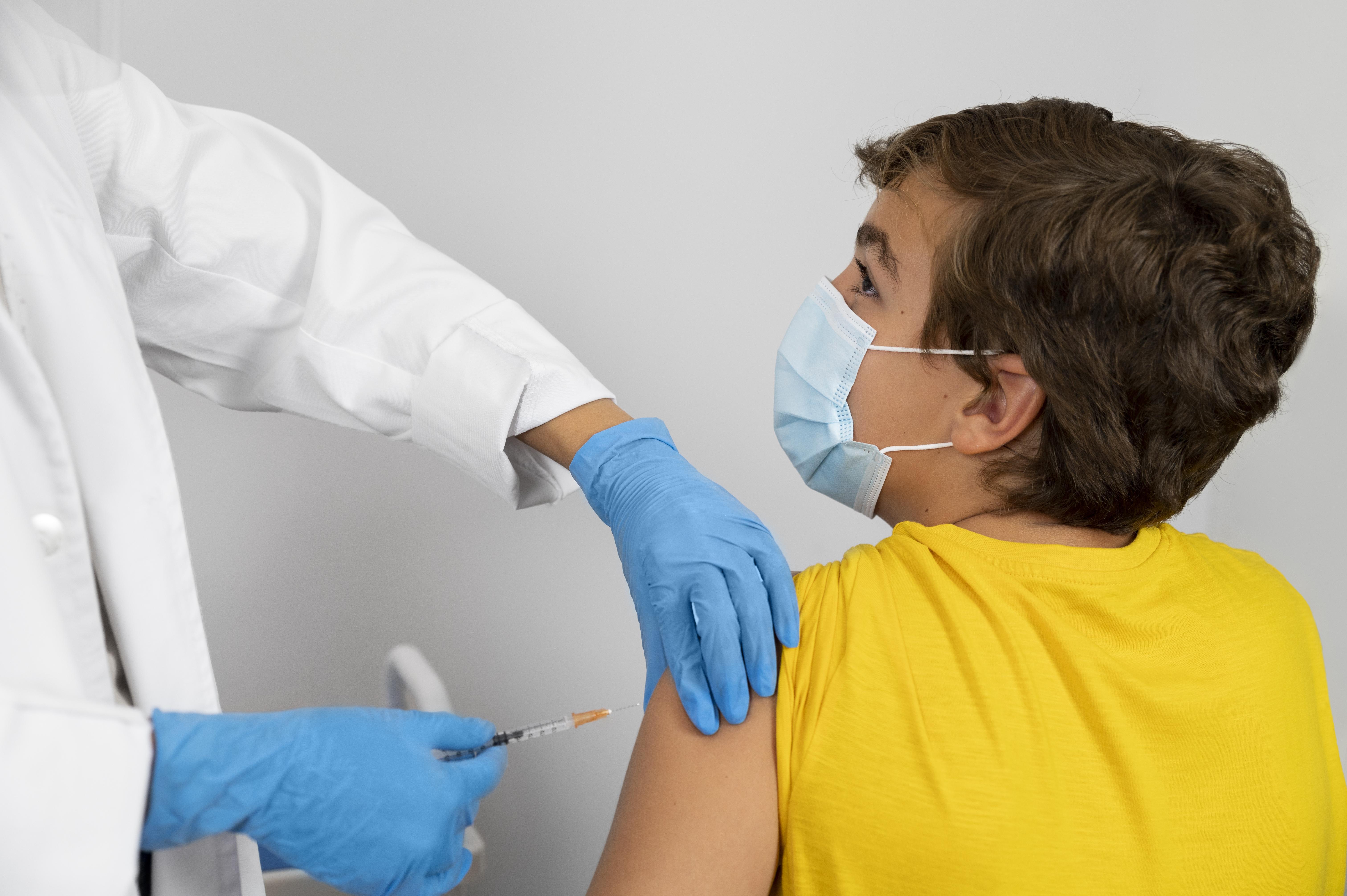
Jakarta, February 26, 2026 – Indonesian health authorities are ramping up immunization campaigns targeting measles and rubella, particularly among preschool and kindergarten-aged children, in response to increasing cases and international alerts. The move comes as concerns grow over the potential for outbreaks, fueled by both domestic transmission and imported cases, and follows notification from Australia regarding measles cases among international travelers who had visited Indonesia. Protecting vulnerable populations through widespread vaccination remains the cornerstone of the country’s public health strategy.
The Ministry of Health (Kemenkes) announced the intensified efforts today, emphasizing the critical role of immunization in preventing the spread of these highly contagious diseases. According to officials, the strategy involves routine immunization strengthening, “catch-up” campaigns for those who may have missed previous doses, and targeted vaccinations in areas with low immunization coverage. This comprehensive approach aims to close immunity gaps and safeguard public health.
“Prevention of measles relies heavily on complete and equitable immunization,” stated Plt. Director General of Disease Control at Kemenkes, Andi Saguni, during a press conference. “When coverage is high and no areas are left behind, the chain of transmission can be broken.” Saguni highlighted the importance of reaching communities with historically low immunization rates, acknowledging the challenges posed by vaccine hesitancy, and misinformation.
Addressing Immunization Gaps and Rising Case Numbers
The push for increased immunization coverage comes as Indonesia grapples with a rise in suspected measles cases. Data released today indicates a significant increase in cases in January 2026 compared to the same period in the previous three years. While the case fatality rate remains relatively low, the surge in cases is prompting a proactive response from health officials. According to data presented by Saguni, the increase is threefold compared to January 2024 and 2025.
In 2025, Indonesia recorded 116 Extraordinary Events (KLB) of measles, confirmed by laboratory testing, across 89 regencies/cities in 16 provinces. A total of 63,769 suspected cases were reported, with 11,094 confirmed through laboratory analysis. Tragically, 69 cases resulted in fatalities, yielding a case fatality rate (CFR) of 0.1 percent, comparable to rates observed in developed nations. The five provinces with the highest number of KLB events in 2025 were East Java, Banten, North Sumatra, West Sumatra, and Aceh.
As of the seventh week of 2026, 8,224 suspected measles cases have been reported, including 572 laboratory-confirmed cases, with four deaths. The CFR currently stands at 0.05%, remaining relatively low. These figures underscore the need for sustained and targeted immunization efforts to prevent further outbreaks.
Focus on “Pockets” of Vulnerability
Health experts emphasize that achieving high national immunization coverage is not enough. Dr. Mulya Rahma Karyanti, a consultant in Pediatric Infectious Diseases and Tropical Diseases at Dr. Cipto Mangunkusumo National Referral Hospital, stressed the importance of analyzing immunization data at the most granular level. “Nationally, measles-rubella (MR) immunization coverage has exceeded targets, but measles cases can still occur if You’ll see villages or specific areas with low coverage. These pockets are what must be the focus of prevention,” Dr. Mulya explained.
Kemenkes is actively collaborating with local governments, religious leaders, and professional organizations to disseminate information about the importance of immunization and address concerns within communities. This multi-faceted approach aims to build trust and encourage greater vaccine acceptance. The government recognizes that addressing vaccine hesitancy requires culturally sensitive communication and engagement with local stakeholders.
Understanding Measles and its Transmission
Measles is a highly contagious viral illness caused by the Morbillivirus, a type of RNA virus belonging to the Paramyxoviridae family. The virus spreads through respiratory droplets and airborne transmission, making it easily transmissible through coughing, sneezing, and contact with contaminated surfaces. According to the Ministry of Health, droplets can linger on surfaces and be transferred to healthy individuals via hands or contaminated food.
Symptoms of measles typically include fever, a characteristic maculopapular rash (flat, red spots on the skin), cough, runny nose, conjunctivitis (red eyes), itching, and sometimes diarrhea. The incubation period ranges from 7 to 18 days, with an average of 10 days. Individuals who are not fully immunized, have close contact with infected individuals, are malnourished, or do not practice good hygiene are at higher risk of infection.
Diagnosis is confirmed through laboratory testing of serum samples using serological ELISA IgM methods. Treatment focuses on supportive care, including vitamin A supplementation to protect the cornea and intestinal mucosa.
Strengthening Public Health Measures
Beyond immunization, the Indonesian government is reinforcing public health education campaigns promoting hygiene practices and raising awareness about the symptoms of measles. These efforts aim to empower individuals to accept proactive steps to protect themselves and their communities. The Ministry of Health encourages the public to seek immediate medical attention if they suspect measles symptoms.
The government’s comprehensive strategy reflects a commitment to safeguarding public health and preventing the resurgence of preventable diseases. By prioritizing immunization, addressing immunization gaps, and strengthening public health measures, Indonesia aims to protect its population from the threat of measles and rubella.
For further information, contact Halo Kemenkes via hotline 1500-567 or email [email protected].
The next key update regarding the national immunization program is expected in March 2026, when the intensified measles and rubella immunization campaign is scheduled to begin. Stay informed and protect your community by ensuring you and your family are up-to-date on recommended vaccinations. Share this information with your networks and contribute to a healthier Indonesia.
Related reading