
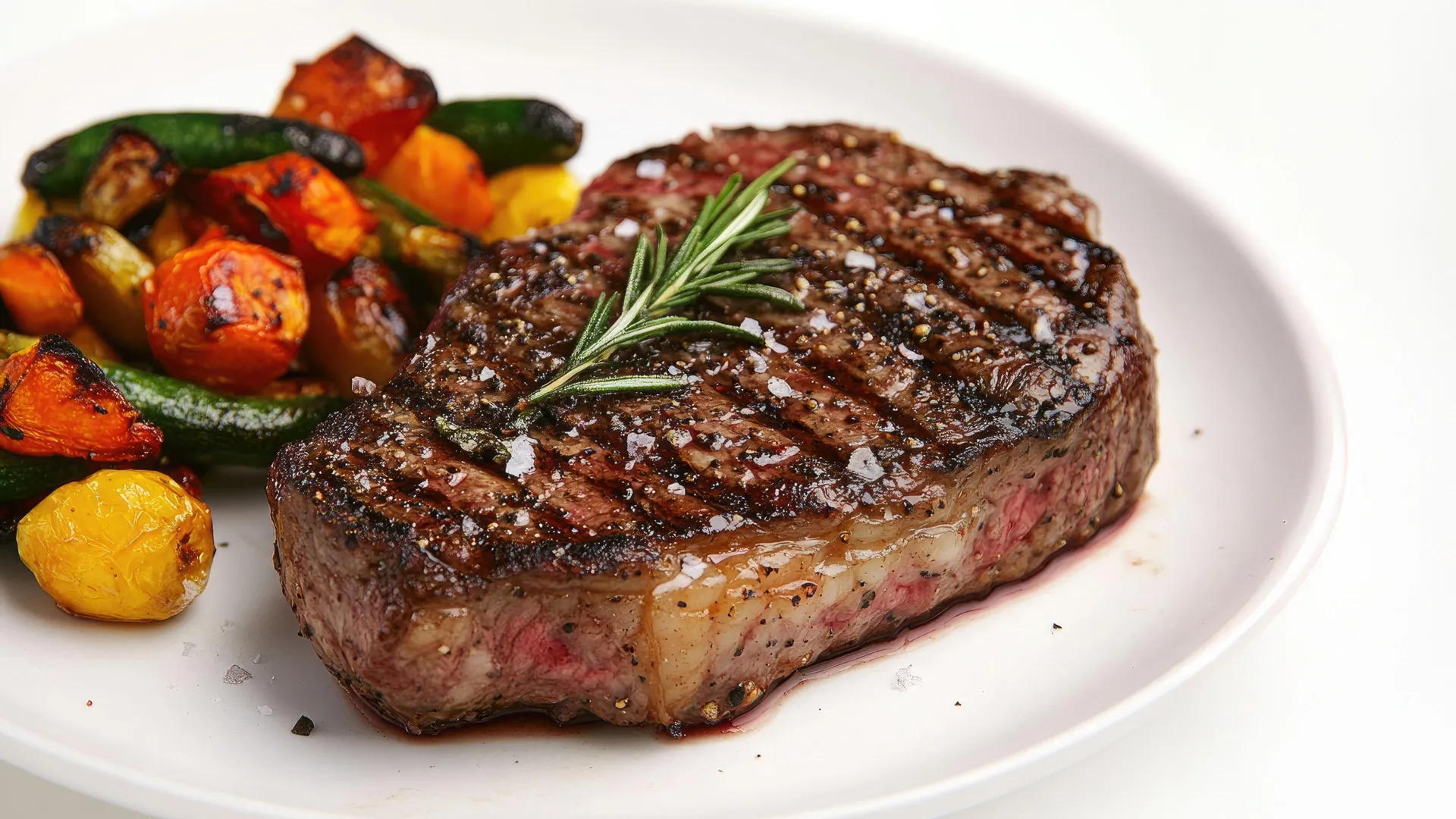
Rethinking Protein: New Research Challenges Conventional Wisdom on animal Protein and Mortality Risk
For years,dietary guidelines have often positioned plant-based protein as the superior choice,subtly implying that animal protein carries inherent health risks. But what if that narrative is incomplete? Groundbreaking research published in Applied Physiology, Nutrition, and Metabolism is challenging these long-held beliefs, suggesting that consuming animal-sourced protein isn’t linked to increased mortality and may even offer protective benefits, especially against cancer-related death.Is it time to re-evaluate our understanding of protein and its role in a healthy diet?
Decoding the Protein Puzzle: A large-Scale Analysis
The study, a robust analysis of data from nearly 16,000 adults aged 19 and older participating in the National Health and Nutrition Examination Survey (NHANES III), delved into the intricate relationship between protein intake – both animal and plant-based - and the risk of death from all causes, heart disease, and cancer. Researchers meticulously examined typical dietary patterns, seeking to uncover any correlations between protein consumption and long-term health outcomes.
the findings were striking.Contrary to popular assumptions, higher intake of animal protein wasn’t associated with an increased risk of death. Actually, the data revealed a modest but significant reduction in cancer-related mortality among individuals who consumed more animal protein. This isn’t to say animal protein causes a reduction in cancer risk, but the association warrants further examination and challenges the prevailing negative narrative.
Rigorous Methodology: Ensuring Reliable Results
The research team didn’t rely on simple data analysis. Recognizing the inherent challenges in accurately assessing long-term dietary habits, they employed advanced statistical methods, including the National Cancer Institute (NCI) method and multivariate Markov Chain Monte Carlo (MCMC) modelling. These sophisticated techniques allowed them to estimate usual dietary intake with greater precision, minimizing the impact of day-to-day fluctuations and measurement errors.
“it was imperative that our analysis used the most rigorous, gold standard methods to assess usual intake and mortality risk,” explains Stuart Phillips, Professor and Chair of the Department of Kinesiology at McMaster University, who supervised the research. ”These methods allowed us to account for fluctuations in daily protein intake and provide a more accurate picture of long-term eating habits.”
Plant vs. Animal Protein: What Does the Data Show?
The analysis considered total protein intake, and also the separate contributions of animal and plant protein. The results remained consistent across all categories: no significant associations were found between any type of protein intake and the risk of death from any cause, cardiovascular disease, or cancer.
Interestingly,when both plant and animal protein were analyzed together,the data suggested that plant protein had a minimal impact on cancer mortality,while animal protein may offer a small protective effect. This nuance is crucial. It doesn’t diminish the benefits of plant-based protein, but it highlights the potential value of including animal protein in a balanced diet.
Beyond Correlation: Understanding the Limitations and Implications
It’s crucial to acknowledge that this study, like many observational studies, cannot definitively prove cause and effect. It identifies patterns and associations,but further research – particularly randomized controlled trials – is needed to establish a causal link. Though,when considered alongside decades of clinical trial evidence,the findings strongly support the inclusion of animal proteins as part of a healthy dietary pattern.”When both observational data like this and clinical research are considered, it’s clear both animal and plant protein foods promote health and longevity,” says lead researcher Yanni Papanikolaou, MPH, president, Nutritional Strategies.
Why This Matters: Shifting the Focus to Overall Dietary Quality
This research isn’t a license to consume unlimited amounts of processed meats. Instead, it underscores the importance of focusing on overall dietary quality rather than demonizing entire food groups. Prioritizing lean sources of animal protein – such as poultry, fish, and lean cuts of beef and pork - alongside a variety of fruits, vegetables, and whole grains is key.
Practical Tips for Optimizing Your Protein Intake:
Variety is Key: Include both animal and plant protein sources in your diet.
choose Lean options: Opt for lean cuts of meat, poultry without skin, and fish.
Consider Portion Sizes: Aim for moderate portions of protein at each meal. A general guideline is 0.8 grams of protein per kilogram of body weight, but individual needs may vary. https://www.health.harvard.edu/nutrition-and-food/protein-how-much-do-you-need (Harvard School of Public Health)
Focus on Whole Foods: Prioritize whole, unprocessed protein sources over highly processed options.





