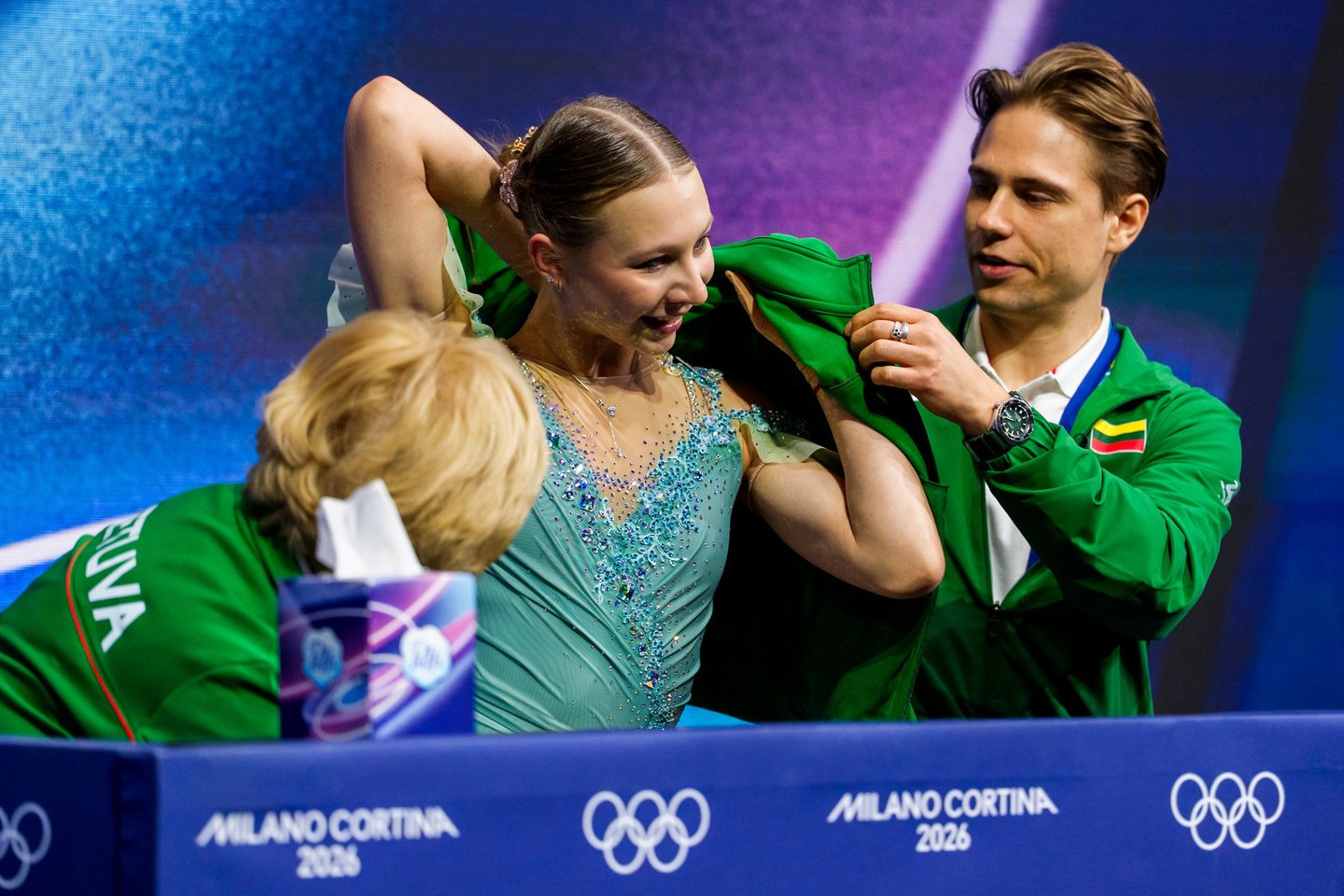
The world of figure skating is often defined by grace, precision, and years of dedicated training. But the recent performance of Lithuanian skater Mėda Variakojytė at the 2026 Winter Olympics in Milan-Cortina has highlighted something even more profound: resilience. Her Olympic debut, while marked by technical challenges, was a testament to her mental fortitude, particularly given the tumultuous circumstances surrounding her coaching team. The support she received from veteran Lithuanian skater Saulius Ambrulevičius, stepping in as a temporary coach, underscored a spirit of camaraderie and national pride that resonated throughout the competition. This story isn’t just about a skating routine; it’s about navigating adversity and the unwavering support within a sporting community.
Variakojytė, at just 18 years old, competed in the women’s singles event, achieving a score of 53.86 in the short program and finishing 27th out of 29 competitors. While the score itself may not reflect a podium finish, the context surrounding her performance is what truly captures attention. Ambrulevičius, a seasoned athlete himself, played a crucial role in supporting Variakojytė, stepping in alongside the legendary Lilija Vanagienė to provide guidance after a significant disruption to her coaching arrangements. The situation, as Ambrulevičius described, demanded a calm presence and a focus on ensuring Variakojytė felt comfortable and supported during a uniquely stressful time.
A Coaching Crisis and a Veteran’s Support
The lead-up to Variakojytė’s Olympic debut was overshadowed by a scandal involving her head coach, Raimo Reinsalu. The International Skating Union (ISU) suspended Reinsalu for two years following accusations of psychological and physical abuse against a former student, Sofija Stepčenko. Delfi Sportas reported that despite neither Variakojytė nor her father expressing any concerns regarding Reinsalu’s coaching methods, the Lithuanian National Olympic Committee (LTOK) adhered to principles and suspended his accreditation for the Games. This left Variakojytė without her primary coach just before the most important competition of her young career.
Ambrulevičius, recognizing the gravity of the situation, readily stepped into a support role. He wasn’t unfamiliar with the pressures of high-level competition, nor was he a stranger to providing guidance in challenging circumstances, having previously served as a temporary coach in Canada. He emphasized that his priority was to create a stable environment for Variakojytė, allowing her to focus on her performance despite the emotional turmoil. “It wasn’t really (anxiety, watching Meda’s performance). This isn’t the first time I’ve had to stand in for a coach (laughs), it was more difficult in the past, but in this place, especially at the Olympics, it was important that Meda felt comfortable,” Ambrulevičius shared, as reported by the original source material.
Resilience on the Ice: Variakojytė’s Performance
Despite the upheaval, Variakojytė delivered a performance that showcased her talent and determination. Ambrulevičius acknowledged that there were technical imperfections, but he was quick to highlight the overall positive impression she made. “There were a few technical mistakes, but in all other places she did really well, and most importantly, the overall impression was great. We should all be proud of that,” he stated. He further emphasized Variakojytė’s exceptional talent, noting her aptitude for jumps, spins, musicality, and her continuous improvement. “She is exceptional because she has a lot of talent, which not everyone can boast. She hears the music, and her skating level is rising – with time and greater maturity, there will definitely be good results in the future. She continues to improve, no matter what obstacles are put in her way, and that is her greatest strength,” Ambrulevičius observed.
The challenges Variakojytė faced underscore the significant psychological pressures athletes endure, particularly in the week leading up to a major competition. Ambrulevičius explained that this is when anxiety is at its peak, and any disruption can have a profound impact. He drew a parallel to the experience of Ilja Malinin, another skater who faced pressure during the Games, highlighting the unpredictable nature of competition even for the most seasoned athletes. “We saw how it was with Ilja Malinin. It seemed like the guy had been working for years, there were no questions, and how everything turned out with the pressure. That’s why I’m glad Meda showed complete resistance. That’s incredible,” he said.
A Legacy of Lithuanian Figure Skating
Variakojytė’s participation in the Olympics represents a continuation of Lithuania’s growing presence in the world of figure skating. Ambrulevičius and his partner, Allison Reed, recently achieved a remarkable sixth-place finish in the ice dance competition at the Milan-Cortina Games, setting a personal best score of 204.66 and marking Lithuania’s best result in the Winter Olympics since 2002, when Margarita Drobiazko and Povilas Vanagas secured fifth place in Salt Lake City. As reported by Delfi, this performance demonstrates a significant step forward for Lithuanian figure skating.
Ambrulevičius and Reed are scheduled to perform in a major ice reveal, “Stichijos 2: Pasadoblis,” at the Žalgiris Arena in Kaunas on March 13, 2026. Kasvyksta.lt details this upcoming event, offering fans an opportunity to witness their talent firsthand. Their success, coupled with Variakojytė’s courageous performance, is inspiring a new generation of Lithuanian skaters and solidifying the nation’s position on the international stage.
The Importance of Coaching Stability
Ambrulevičius’s insights into the importance of a stable coaching relationship are particularly relevant in light of Variakojytė’s experience. He emphasized that the final week before a competition is a period of intense psychological pressure, where even minor disruptions can have a significant impact on an athlete’s performance. The loss of a coach during this critical time is a considerable setback, and Variakojytė’s ability to persevere despite this challenge is a testament to her mental strength and resilience.
The situation surrounding Reinsalu’s suspension raises broader questions about athlete safety and the responsibility of sporting organizations to protect their athletes. The allegations of psychological and physical abuse are serious and underscore the need for robust safeguarding measures within the world of figure skating. While the details of the case are complex, the focus must remain on ensuring a safe and supportive environment for all athletes.
The Lithuanian delegation’s handling of the situation, adhering to principles and suspending Reinsalu’s accreditation, demonstrates a commitment to ethical conduct and athlete welfare. However, it also highlights the challenges of balancing these principles with the need to support athletes during times of crisis. Ambrulevičius acknowledged the difficulty of commenting on the specifics of the case but expressed hope that a resolution would be found and that Variakojytė would receive the care and support she deserves.
Mėda Variakojytė’s Olympic debut, though marked by adversity, serves as a powerful reminder of the human spirit’s capacity to overcome challenges. Her performance, supported by the unwavering dedication of Saulius Ambrulevičius and Lilija Vanagienė, is a source of national pride for Lithuania and an inspiration to aspiring athletes around the world. The coming weeks will be crucial as Variakojytė continues her training and prepares for future competitions. The focus will undoubtedly be on providing her with a stable and supportive coaching environment, allowing her to build on her Olympic experience and reach her full potential.
The next step for Variakojytė will be to assess her performance at the Olympics and work with her coaching team to identify areas for improvement. Further updates on her training schedule and competition plans will be available through the Lithuanian National Olympic Committee (LTOK) website. We encourage readers to share their thoughts and support for Mėda Variakojytė in the comments below.
Keep reading