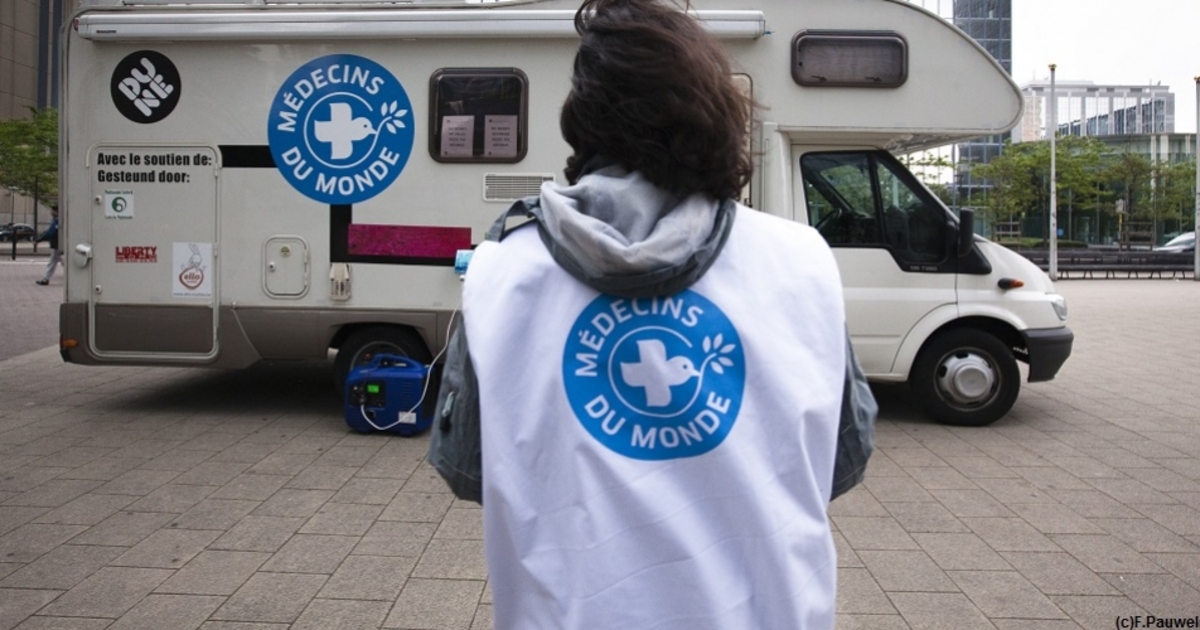
Public health officials in Brussels have recently concluded a targeted vaccination initiative aimed at containing the spread of diphtheria among vulnerable populations near the Gare du Midi. The effort, led by the humanitarian organization Médecins du Monde (Doctors of the World), comes in response to a series of reported cases of cutaneous diphtheria identified within the city’s homeless community. As a physician, I have long observed that infectious disease outbreaks in urban centers often highlight the critical necessity of barrier-free access to healthcare for those living on the margins of society.
The campaign, which successfully provided vaccinations to 86 individuals, serves as a stark reminder of the persistent challenges in maintaining immunization coverage within marginalized groups. While diphtheria—a serious bacterial infection caused by Corynebacterium diphtheriae—is largely controlled in many parts of the developed world through routine childhood vaccination programs, it remains a public health concern when immunity gaps occur in specific subpopulations. According to the World Health Organization, maintaining high vaccination coverage is the only effective way to prevent the re-emergence of this potentially life-threatening disease.
Understanding the Risk: Why Diphtheria Persists
Diphtheria is primarily transmitted through respiratory droplets, though cutaneous (skin) diphtheria—the form reportedly observed in the recent Brussels cases—is often acquired through direct contact with infected skin lesions. In high-density settings or areas where sanitation and hygiene resources are limited, the risk of transmission increases. The recent intervention in Brussels was not merely a reaction to a cluster of cases but a necessary measure to interrupt the chain of transmission before it could spread further into the wider community.

The clinical presentation of cutaneous diphtheria often involves non-healing ulcers or sores, which may be mistaken for common skin infections by those without medical training. Because these symptoms can be subtle, early detection and prophylactic care are essential. Health authorities in Belgium have emphasized that while the risk to the general public remains low, the situation underscores the importance of public health surveillance systems that are capable of reaching the most disconnected members of the population. The Sciensano public health institute, which monitors infectious disease trends across Belgium, continues to provide guidance for healthcare providers on identifying and reporting such cases to ensure an appropriate public health response.
The Role of Targeted Humanitarian Intervention
The work performed by Médecins du Monde in this instance is emblematic of the “last mile” of healthcare delivery. By setting up mobile clinics and outreach teams near the Gare du Midi, the organization bypassed traditional, often intimidating, barriers to care such as the requirement for fixed addresses or complex registration processes. In my own clinical experience, the success of such campaigns relies heavily on trust—a commodity that is often difficult to build but vital for effective public health outcomes.
The 86 individuals vaccinated during this operation represent a significant achievement in local disease prevention. However, humanitarian groups have noted that systemic “lenteurs” (delays) in broader healthcare access remain a hurdle. Providing a single dose or a booster is a critical first step, but ensuring that these individuals have access to follow-up care and the full series of immunizations required for long-term protection is a complex logistical challenge that requires ongoing coordination between local municipalities and non-governmental organizations.
Key Takeaways for Public Health
- Vulnerability and Immunity: Populations experiencing homelessness often face higher risks of infectious diseases due to crowded living conditions and limited access to hygiene facilities.
- Cutaneous Diphtheria: Unlike respiratory diphtheria, the cutaneous form often presents as chronic skin ulcers, necessitating vigilance from street medicine teams and primary care providers.
- The Importance of Outreach: Mobile vaccination clinics are essential for reaching populations that do not engage with traditional healthcare infrastructure.
- Collaborative Response: Effective disease control in urban settings requires the integration of efforts between municipal health departments and specialized humanitarian partners.
Looking Ahead: Surveillance and Sustainability
The conclusion of this specific vaccination drive does not signal the end of the monitoring process. Public health officials in Brussels are expected to maintain heightened surveillance of respiratory and skin-related complaints within the homeless population in the coming weeks. The objective is to identify any new cases rapidly, thereby preventing the development of a larger outbreak.
For the residents of Brussels, the message from medical experts remains one of calm but informed awareness. The routine vaccinations received by the vast majority of the population during childhood provide robust protection against diphtheria. For those who may be concerned about their own vaccination status, consulting with a general practitioner or checking official records remains the recommended course of action.
As we continue to navigate the complexities of post-pandemic public health, the Brussels response serves as a valuable case study. It illustrates that when we address the health needs of the most vulnerable, we are, in effect, bolstering the health security of the entire city. I encourage our readers to stay informed through official channels like the Belgian federal health portal for any updates regarding local health advisories.
What are your thoughts on how cities should manage infectious disease outbreaks among transient populations? Share your perspective in the comments below, and join the conversation on how we can build more inclusive healthcare systems.
Related reading