Expanding Medicaid Access: Innovative Waivers and Continuous Eligibility for Vulnerable Populations
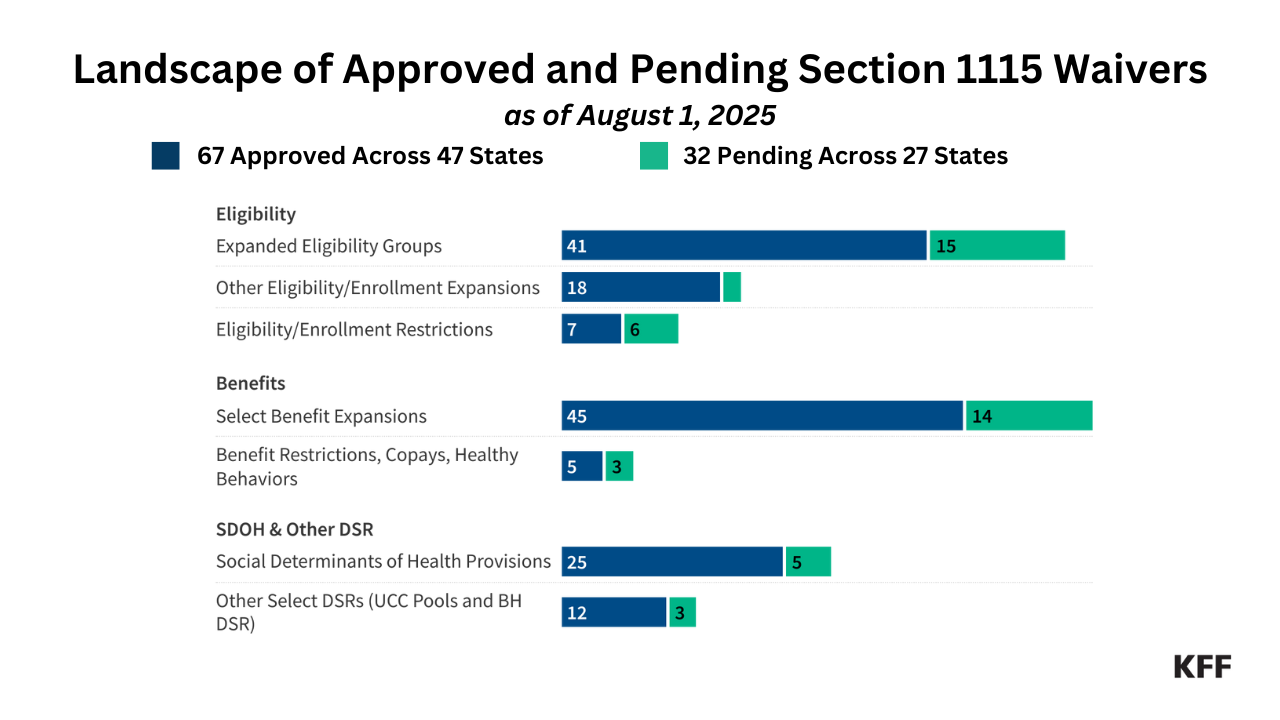
Medicaid continues to evolve, with states actively pursuing innovative strategies to expand coverage and improve health outcomes for their residents. Recent efforts focus on addressing the needs of individuals transitioning from incarceration and ensuring uninterrupted coverage for children. These initiatives, often implemented through Section 1115 waivers, demonstrate a growing commitment to proactive and preventative healthcare.
Pre-Release Medicaid Coverage for Incarcerated individuals
Traditionally, incarcerated individuals have been ineligible for most Medicaid benefits. However, recognizing the health risks associated with abrupt loss of coverage upon release, a growing number of states are now exploring pre-release Medicaid enrollment.
* This approach aims to facilitate a smoother transition back into the community.
* It connects individuals with needed healthcare services immediately, reducing the likelihood of emergency room visits and improving long-term health management.
* Notably,these waivers have garnered bipartisan support,with both Republican and Democratic governors recognizing the benefits.
Currently, a notable number of states have either received approval for, or are actively pursuing, waivers to provide pre-release coverage. This includes initiating coverage a set period before an individual’s release date. The graphic below illustrates the current landscape of these waivers:
[Image of section 1115 Waivers: Medicaid Pre-release Coverage for Individuals Who Are Incarcerated]
By proactively addressing healthcare needs before release, states are investing in public safety and individual well-being. You can explore a complete overview of these waivers and their specific provisions through available resources detailing state-by-state progress.
Multi-year Continuous Eligibility for children: Reducing Coverage Gaps
Ensuring consistent healthcare access for children is paramount. Recognizing this, the Consolidated Appropriations Act of 2023 mandated 12-month continuous eligibility for all children, beginning january 1, 2024. This means that once a child is enrolled in Medicaid, their coverage remains active for a full year, irrespective of changes in circumstances.
Furthermore, nine states have secured waivers allowing them to extend this continuous eligibility even further – up to several years, from birth through age six, for exmaple.
* Continuous eligibility demonstrably reduces Medicaid disenrollment.
* It minimizes “churn,” the frustrating cycle of losing and regaining coverage within short periods.
* This stability allows families to focus on their children’s health, rather than navigating complex enrollment processes.
However, recent guidance suggests a potential shift in federal policy.The current administration has indicated it will not approve new or extend existing continuous eligibility waivers. The following map highlights states currently offering multi-year continuous eligibility for children:
[Image of Section 1115 Waivers: Multi-year Continuous Eligibility for Children]
As a parent, understanding your state’s policies regarding continuous eligibility is crucial. You can stay informed about these evolving regulations and their impact on your family’s healthcare access through readily available resources.
These Medicaid innovations represent a significant step toward a more equitable and effective healthcare system.By prioritizing proactive coverage and minimizing disruptions, states are empowering individuals and families to lead healthier lives.
Keep reading