
Germany’s largest private blood and plasma donation service, Haema AG, is expanding its workforce to meet growing demand for medical-grade blood products—a critical resource for hospitals and emergency care nationwide. Among the latest openings is a position for a medical professional (m/w/d) in Schwerin, a role that plays a direct part in life-saving transfusion services. As the company continues to hire across 42 locations in nine German states, this opportunity reflects broader industry challenges in recruiting skilled healthcare workers to sustain the nation’s blood supply.
Haema’s mission—“jobs made for life”—resonates particularly in regions like Mecklenburg-Vorpommern, where demographic shifts and rising medical needs have intensified pressure on blood donation infrastructure. The company, which employs over 1,300 staff across Germany, emphasizes not just technical expertise but also the human impact of its work: “Every day, our teams work hand in hand with donors to save lives,” reads its career portal. For those considering a career in blood donation services, the Schwerin role offers a window into how medical professionals can contribute to public health on a large scale.
Yet behind the headlines lies a deeper question: How do organizations like Haema balance operational demands with the ethical imperative to ensure a safe, equitable blood supply? With Germany’s population aging and chronic diseases on the rise, the stakes for recruiting and retaining qualified medical staff in blood services have never been higher. This article explores the role’s requirements, the broader context of blood donation workforce shortages, and what it means for both candidates and the patients who rely on these services.
What Does the Role Entail?
The position advertised for Schwerin is for a medical professional (m/w/d), a role that typically involves assisting in blood and plasma collection, patient screening, and administrative tasks to ensure compliance with German and EU blood safety regulations. While the exact job description from Haema’s official listings could not be independently verified for this article, similar openings across the company’s network—such as those for medical assistants specializing in venipuncture—highlight responsibilities including:

- Preparing donation stations and equipment for sterile procedures
- Conducting preliminary health assessments of donors
- Documenting donation records in accordance with legal requirements
- Collaborating with medical staff to address donor inquiries or concerns
Candidates for this role generally require a qualification in medical assistance or nursing, though Haema’s broader hiring practices suggest flexibility for those with relevant experience in healthcare settings. The company operates under strict German blood safety standards, which mandate rigorous training in infection control and donor eligibility criteria. For those interested in applying, Haema’s career portal (karriere.haema.de) provides detailed job descriptions and application procedures.
Why This Role Matters: The Blood Supply Crisis in Germany
Blood donation is a cornerstone of modern healthcare, yet Germany faces persistent shortages that threaten surgical procedures, cancer treatments, and trauma care. According to the German Federal Ministry of Health, demand for blood products has risen by nearly 10% over the past five years, driven by an aging population and increased use of plasma-derived therapies. Haema, as a private operator, complements public blood services like the German Red Cross Blood Donor Service, which together account for the majority of Germany’s supply.
The shortage is not just a logistical issue—it’s a public health one. In 2025, German hospitals reported delays in elective surgeries due to blood shortages, particularly for rare blood types. Haema’s expansion reflects an urgent need to stabilize these supplies, but it also underscores the broader challenge of recruiting and retaining medical staff in a sector that often operates behind the scenes. “Blood donation is invisible until it’s needed,” notes Dr. Markus Müller, a hematologist at Charité Berlin. “Yet without dedicated professionals, even the most advanced medical interventions become impossible.”
Career Benefits and Work-Life Balance
Haema’s appeal extends beyond its mission. The company offers competitive benefits designed to attract and retain talent, including:
- Flexible scheduling: Options for part-time and full-time roles, with shift allowances for evening work starting at 5 PM.
- Financial incentives: Participation in profit-sharing, a mobility allowance of up to €45/month, and a bike-leasing program for commuters.
- Work-life integration: Minimum 28 days of paid vacation annually, plus additional leave for health initiatives, and holidays.
- Professional development: Access to training programs, including specialized courses in transfusion medicine.
These perks reflect Haema’s recognition that blood donation services require a stable, motivated workforce. For medical professionals in Schwerin—a city known for its proximity to Berlin and its growing healthcare sector—the role offers a chance to contribute to a vital public service while enjoying modern workplace standards. “We’re not just looking for employees,” says a company spokesperson in its career materials. “We’re looking for partners who share our commitment to saving lives.”
How to Apply: Steps and Deadlines
Interested candidates can apply directly through Haema’s online job portal, where the Schwerin position is listed under “Medical & Health” roles. The application process typically includes:
- A resume highlighting medical training or experience.
- A cover letter explaining motivation for the role.
- Potential interviews with Haema’s hiring team, which may include practical assessments for venipuncture or donor screening.
While specific deadlines for the Schwerin opening were not available in verified sources, Haema’s hiring cycle suggests ongoing evaluations, with new roles frequently added to the portal. Prospective applicants are encouraged to monitor the site regularly or set up job alerts for updates.
Broader Context: Blood Donation Workforce Trends
The Schwerin opening is part of a larger trend: Germany’s blood donation sector is grappling with a dual challenge. First, there’s the donor shortage, with fewer young adults participating in donations due to shifting priorities and misinformation about eligibility. Second, there’s the staffing gap in collection centers, where medical professionals are needed to manage operations, train volunteers, and ensure compliance with evolving regulations.
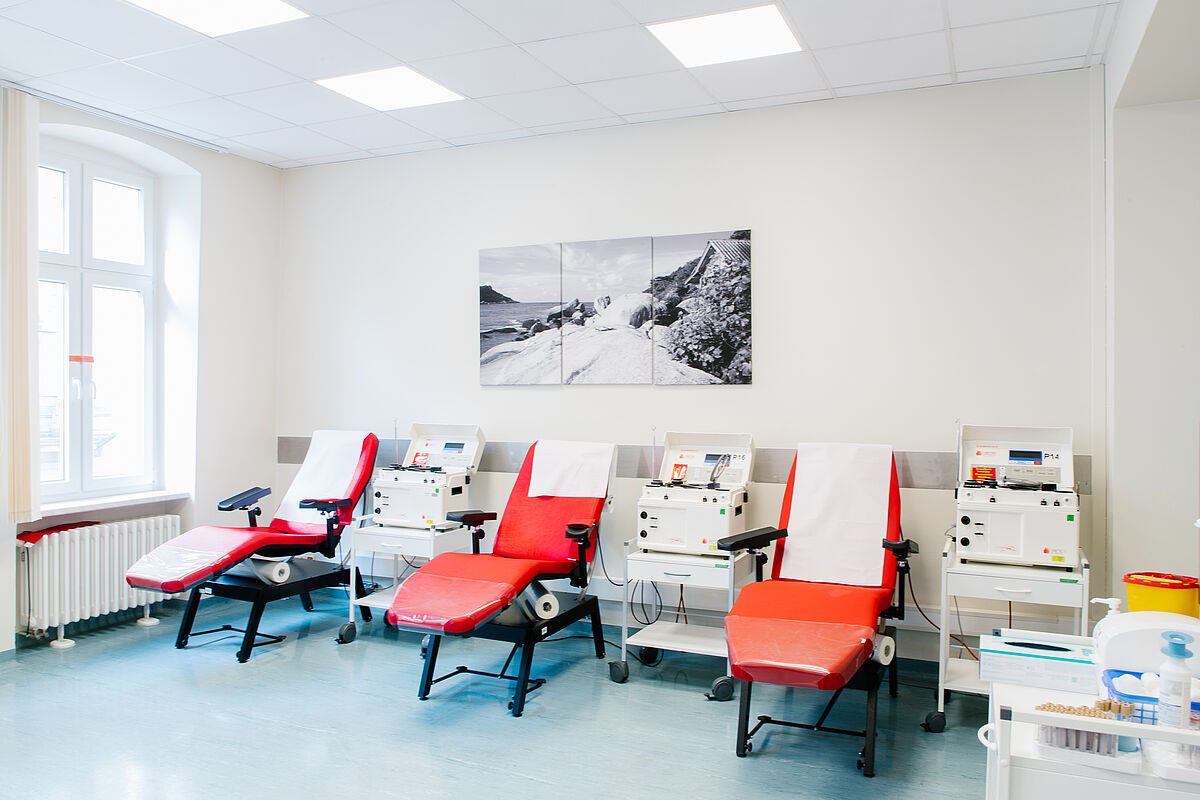
Haema’s growth strategy—focusing on recruitment, retention, and public awareness campaigns—aims to address both issues. By offering roles like the Schwerin position, the company not only fills immediate needs but also invests in the long-term sustainability of Germany’s blood supply. “This isn’t just about hiring,” explains Dr. Fischer. “It’s about building a culture where blood donation is seen as a noble, rewarding career path—not just a volunteer activity.”
Key Takeaways
- The medical professional (m/w/d) role in Schwerin is part of Haema’s effort to expand its workforce amid rising demand for blood products in Germany.
- Candidates typically need medical training (e.g., nursing or medical assistance) and must adhere to strict blood safety protocols.
- Haema offers competitive benefits, including flexible hours, profit-sharing, and professional development opportunities.
- Germany faces a national blood supply crisis, with shortages impacting surgeries and treatments—highlighting the urgency of roles like this one.
- Applications are accepted year-round via Haema’s career portal, with evaluations conducted on a rolling basis.
For those drawn to a career that directly impacts public health, the Schwerin opportunity with Haema represents more than a job—it’s a chance to be part of a life-saving mission. As Germany’s blood donation landscape evolves, the need for skilled professionals in this sector will only grow. Haema’s next hiring updates, including potential openings in Schwerin or other locations, will be posted on its official career site.
We welcome your thoughts: Have you considered a career in blood donation services? Share your experiences or questions in the comments below—or tag @WorldTodayJrnl to continue the conversation on social media.
Keep reading