
the Crushing Weight of Medical Debt: How Americans Are Struggling and What Solutions Gain Broad Support
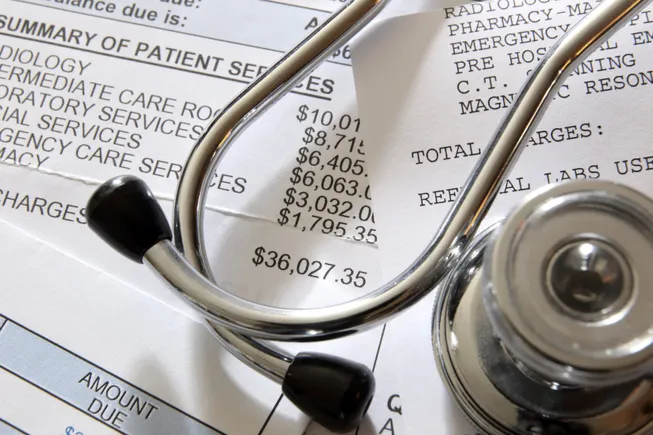
Medical debt is no longer a peripheral financial worry for many Americans – it’s a widespread crisis impacting access to care, personal finances, and even credit scores. Recent data paints a stark picture, revealing a population increasingly burdened by healthcare costs and eager for systemic change. This article dives deep into the issue, exploring the current landscape, the impact on individuals, and the policy solutions gaining traction across the political spectrum.
The scope of the Problem: A Nation in Financial Pain
A new survey from Undue Medical Debt, NORC, and PerryUndem reveals the sheer scale of the problem. Here’s what the data shows:
* 35% of americans currently hold medical debt.
* Nearly 70% find healthcare generally unaffordable.
* Almost half struggle to cover common expenses like dental care or insurance deductibles.
These aren’t just numbers; they represent real people making difficult choices. Many are delaying or forgoing necessary care due to cost concerns. Actually, 35% reported skipping or delaying treatment in the past year, with some even resorting to rationing medication by cutting pills in half.
Why is This Happening? The System’s Flaws
The root causes are complex, but a key factor is how most Americans receive health insurance: through their employers. This system leaves individuals vulnerable when they change jobs, face unemployment, or are self-employed. Rising healthcare costs, fueled by pharmacy expenses and chronic disease management, are exacerbating the problem. Employers are forecasting significant cost increases for 2024, further squeezing both their budgets and your wallets.
Adding to the instability, enhanced premium tax credits for Affordable Care Act (ACA) plans are set to expire at the end of the year. Without renewal, premiums could more than double for millions of ACA beneficiaries, just as open enrollment begins. This situation is currently a major sticking point in Washington, perhaps triggering a government shutdown.
The Impact on You: Beyond Financial Strain
Medical debt isn’t just about owing money. It has far-reaching consequences:
* Delayed Care: Fear of cost can prevent you from seeking timely medical attention, leading to worsening health outcomes.
* Credit Score damage: While a recent rule aimed to remove medical debt from credit reports was sadly vacated by a federal judge, the threat of negative credit impacts remains a concern.
* Overall Financial Instability: Medical bills can force you to make difficult trade-offs, impacting housing, food security, and other essential needs.
* Increased Stress & Anxiety: The burden of medical debt takes a significant toll on mental and emotional well-being.
what Do Americans Want? A Groundswell of Support for Change
Despite the challenges, there’s a strong consensus on potential solutions. The survey reveals overwhelming support for policies designed to alleviate the burden of medical debt:
* Universal Coverage: Three-quarters of respondents favor moving away from employer-tied health insurance towards a different system.
* Interest Rate Caps: Nearly everyone supports limiting interest rates on medical debt.
* Financial Assistance Access: Almost 90% want hospitals to simplify and standardize the financial assistance application process.
* Credit Reporting Ban: Over 80% believe medical debt should be banned from appearing on credit reports.
* Medicaid Expansion: 73% support raising the income threshold to qualify for Medicaid, expanding access to this vital safety net.
Recent Setbacks & Ongoing battles
While progress is absolutely possible, recent events highlight the challenges. A Biden administration rule to remove medical debt from credit reports was struck down by a federal judge this summer, demonstrating the fragility of these gains. Furthermore, significant Medicaid cuts enacted through recent legislation threaten to reduce access to care for vulnerable populations.
looking Ahead: A Call for action
The medical debt crisis demands urgent attention. As an individual,you can:
* Understand Your Rights: Familiarize yourself with hospital financial assistance programs and patient advocacy resources.
* Negotiate Bills: don’t hesitate to negotiate with providers and ask for itemized bills.
* Explore Assistance Programs: organizations like Undue Medical Debt are working to alleviate the burden through debt forgiveness initiatives.
However, systemic change requires collective action. Contact your elected officials and urge them to



![Prostate Cancer Recovery: A Doctor’s Story [Podcast]](https://i0.wp.com/kevinmd.com/wp-content/uploads/The-Podcast-by-KevinMD-WideScreen-3000-px-4-scaled.jpg?resize=330%2C220&ssl=1 "Prostate Cancer Recovery: A Doctor’s Story [Podcast]")


