
Klinikum Erding has successfully performed an adrenal gland removal using the Dexter surgical robot, marking a technical milestone for the facility’s urology department. The procedure, which involved the excision of the adrenal gland, represents the hospital’s recent integration of the robotic-assisted system into its standard surgical repertoire. According to clinical reports, this development is significant as the institution began implementing the Dexter platform only a few months ago to enhance minimally invasive surgical outcomes.
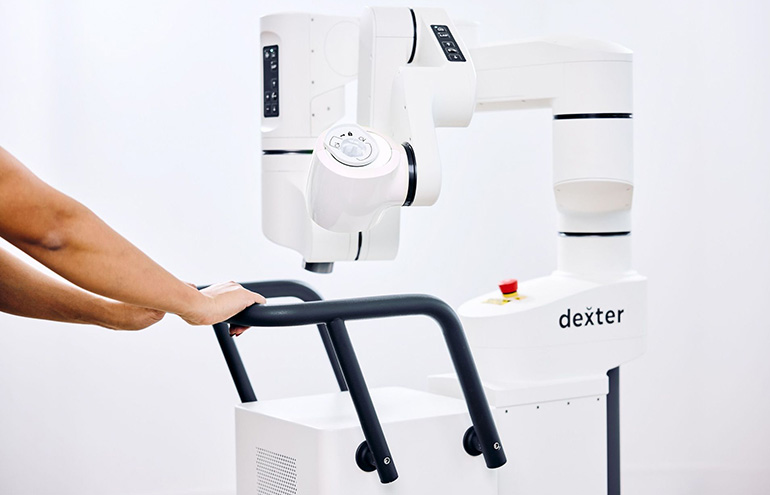
As a physician, I have followed the transition toward robotic-assisted surgery in regional German hospitals with great interest. The adoption of new platforms like Dexter—developed by the Swiss-based company Distalmotion—aims to provide surgeons with greater precision and ergonomics during complex procedures. For patients, the primary benefit of such systems often lies in the reduction of surgical trauma, which can lead to shorter recovery times and less postoperative pain compared to traditional open surgery.
Understanding Robotic-Assisted Adrenalectomy
An adrenalectomy, the surgical removal of one or both adrenal glands, is a procedure typically necessitated by tumors or hormonal imbalances. When performed via a robotic-assisted approach, the surgeon operates from a console, controlling robotic arms that offer a higher range of motion than human wrists. The Dexter system, which is categorized as a “hybrid” robotic platform, allows the surgical team to switch between robotic instruments and manual, handheld tools during the same procedure.
The clinical application of this technology in Erding follows a broader trend in European healthcare, where hospitals are increasingly investing in digital surgery tools to remain competitive and improve patient safety standards. The Distalmotion Dexter system is designed to be more compact and cost-effective than larger, older-generation robotic systems, making it an attractive option for mid-sized regional clinics that serve large geographic areas. By utilizing this technology, the urology team at Klinikum Erding is positioning itself to handle complex endocrine surgeries with greater technical support.
Clinical Advantages of the Dexter Platform
The integration of robotic systems into urology departments is supported by a growing body of data regarding patient outcomes. Minimally invasive surgery, or “keyhole” surgery, generally results in smaller incisions, reduced blood loss, and a lower risk of infection. According to the European Association of Urology, the shift toward robotic-assisted platforms has become a standard of care for many urological procedures, including prostatectomies and adrenal gland surgeries.
For the staff at Klinikum Erding, the successful completion of this adrenalectomy serves as a validation of their training and operational protocols. Integrating a new surgical platform requires significant time for the surgical team—including surgeons, nurses, and anesthesiologists—to adapt to the tactile feedback and visual interface of the robot. The successful execution of this procedure suggests that the team has moved past the initial learning curve, which typically lasts several months following the installation of such systems.
Future Directions for Robotic Surgery in Regional Hospitals
The success at Klinikum Erding reflects a wider transformation in how regional medical centers deliver specialized care. Historically, complex robotic surgeries were concentrated in large university hospitals. However, as systems like Dexter become more accessible, smaller facilities are able to offer high-tech interventions closer to where patients live. This decentralization of advanced medical technology is a core goal of modern healthcare policy in Germany, aimed at balancing high-quality care with patient accessibility.

Next steps for the facility likely include expanding the use of the robotic system to other urological and abdominal procedures. As the team gains more experience, they will likely evaluate the system’s performance across a broader range of clinical cases to determine its long-term impact on hospital throughput and patient recovery metrics. For patients residing in the Erding region, this technological upgrade means that complex surgeries may now be performed locally with the precision of a robotic-assisted approach, potentially reducing the need for referrals to major metropolitan medical centers.
If you or a family member are scheduled for a surgical procedure, it is always advisable to discuss the available surgical options with your primary physician or specialist. Understanding whether a procedure is performed conventionally or via robotic assistance can help in setting expectations for recovery and postoperative care. We encourage our readers to share their experiences or ask questions in the comments section below, as we continue to track developments in medical innovation across Germany and beyond.