
Low levels of testosterone, the primary male sex hormone, are increasingly being examined for their complex role in prostate health. While medical literature has long focused on the risks associated with high hormone levels, recent clinical observations suggest that low androgen states may present a distinct, albeit different, set of challenges for patients. For men concerned about prostate health, understanding the balance of these hormones is essential for informed decision-making with their healthcare providers.
The relationship between androgen deficiency and prostate cancer risk is a subject of ongoing clinical investigation. Recent research indicates that patients with chronically low levels may face unique diagnostic and pathological risks that require careful monitoring.
The Role of Testosterone in Prostate Physiology
Testosterone is essential for the normal development and function of the prostate gland. When levels drop significantly—a condition clinically termed hypogonadism—the gland may undergo physiological changes. Research highlights that androgen receptors in the prostate are highly sensitive to systemic hormonal fluctuations. When these receptors are not adequately stimulated, the metabolic environment of the prostate can shift, potentially altering cell cycle regulation.
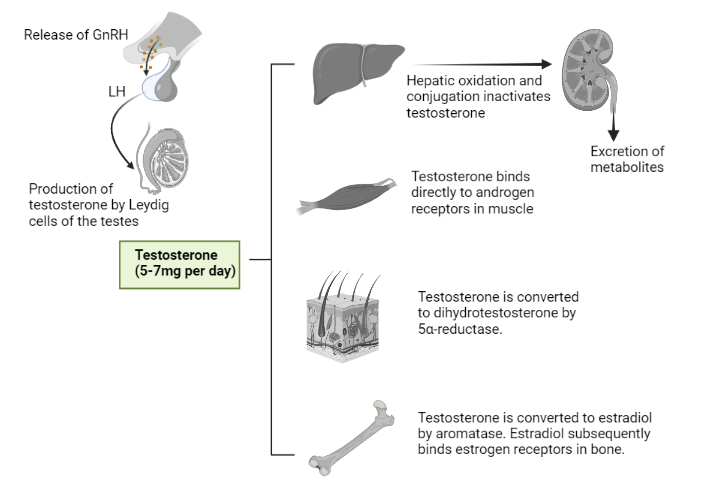
It is important to distinguish between the presence of cancer and the hormonal environment in which it develops. Current medical consensus suggests that the “saturation model” applies. This model posits that prostate tissue reaches a maximum response to androgens at relatively low levels; once this threshold is met, further increases in testosterone do not necessarily increase the risk of cancer. Consequently, the focus has shifted toward the risks associated with long-term deficiency, including changes in prostate-specific antigen (PSA) expression.
Diagnostic Challenges in Low-Androgen Patients
One of the primary concerns for physicians is the impact of low testosterone on diagnostic markers. The PSA test is a standard screening tool for prostate cancer, but its accuracy can be influenced by hormone levels. Low testosterone can sometimes mask the presence of prostate cancer by artificially depressing PSA levels, potentially leading to a false sense of security or delayed diagnosis.

Patients who are undergoing testosterone replacement therapy or those diagnosed with hypogonadism should maintain a consistent schedule of screenings. Because low androgen levels can suppress PSA production, clinicians are often advised to look for trends in PSA velocity rather than relying on a single static value to rule out malignancy.
Management Strategies and Clinical Best Practices
For men currently managing low testosterone, the clinical priority is to balance symptom relief—such as fatigue, loss of muscle mass, or mood changes—with rigorous prostate monitoring. Clinical guidelines emphasize that before initiating any hormone replacement therapy, a thorough digital rectal exam (DRE) and a baseline PSA assessment are mandatory to ensure no pre-existing, undiagnosed malignancy is present.
The following table summarizes the standard clinical approach to monitoring prostate health in men with varying hormonal profiles:
| Clinical Factor | Monitoring Strategy | Regulatory/Expert Body |
|---|---|---|
| PSA Baseline | Required before TRT initiation | American Urological Association |
| DRE Frequency | Annual or as clinically indicated | European Association of Urology |
| Hormone Monitoring | Periodic serum testosterone checks | The Endocrine Society |
If a patient presents with symptoms of hypogonadism, the first step is usually a series of morning blood tests to confirm the deficiency. Testosterone levels fluctuate throughout the day, so multiple tests are often required to establish an accurate diagnosis. Once confirmed, treatment decisions are made based on the patient’s overall health, cardiovascular risk profile, and existing prostate health status.
Future Directions in Prostate Research
The medical community continues to refine its understanding of how the prostate responds to a wide range of androgen levels. Ongoing clinical trials are investigating whether specific androgen receptor modulators might offer the benefits of hormone replacement without the theoretical risks associated with traditional testosterone therapy. Researchers are actively recruiting for studies that examine the long-term safety of hormonal interventions in aging male populations.
Patients are encouraged to seek updates from their primary care physicians or urologists regarding the latest evidence-based protocols. If you have concerns about your prostate health or hormonal levels, ensure that you are consulting with a board-certified urologist who can provide an assessment tailored to your medical history.
As research evolves, the goal remains to provide safe, effective care that improves quality of life while maintaining vigilance against cancer. We invite our readers to share their questions or experiences in the comments section below, and to consult our archive for further reports on advancements in men’s health and oncology.
Keep reading