Understanding Special Needs Plans (SNPs): A Comprehensive Guide for Dual-Eligible Individuals & Beyond
Are you navigating the complexities of Medicare and Medicaid? Special Needs Plans (SNPs) are designed to simplify healthcare for individuals with specific needs. This guide breaks down the different types of SNPs, how they work, and what changes are coming in 2025. We’ll cover everything you need to know to make informed decisions about your healthcare.
What are Special Needs Plans (SNPs)?
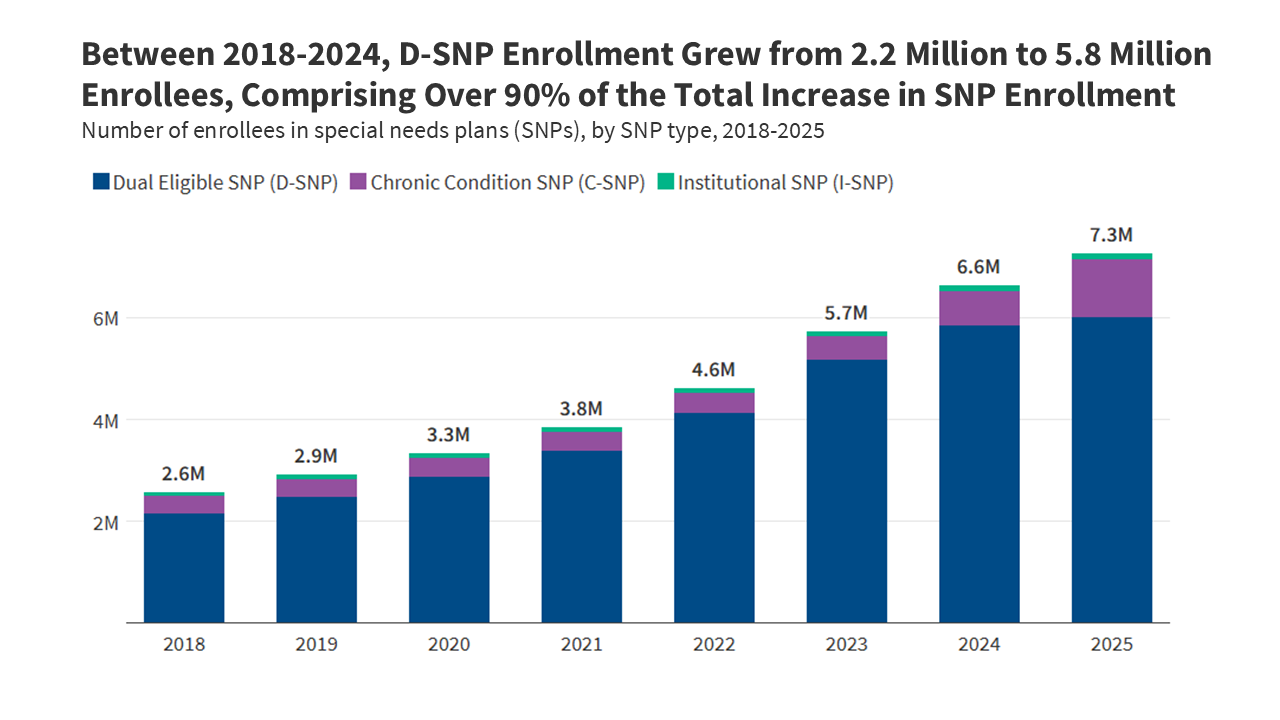
SNPs are a type of Medicare Advantage plan specifically designed to meet the unique healthcare needs of individuals eligible for both Medicare and Medicaid (often called ”dual-eligible” individuals). They focus on providing coordinated, specialized care. SNPs are paid for by Medicare for covered services and supplemental benefits, and by Medicaid for Medicaid-covered services.
Think of them as a streamlined approach to managing your healthcare when you have both Medicare and medicaid coverage.
The Three Main Types of SNPs
There are three primary types of SNPs,each catering to a distinct population:
* Dual-Eligible Special Needs Plans (D-SNPs): These plans are for individuals who are fully eligible for both Medicare and Medicaid. They coordinate benefits between the two programs, ensuring you receive the care you need.
* Chronic Condition Special Needs Plans (C-SNPs): C-SNPs are designed for individuals with specific, severe, or chronic conditions. Currently, the vast majority (97%) of C-SNPs focus on diabetes or cardiovascular disease.
* Institutional Special Needs Plans (I-SNPs): I-SNPs serve individuals who require long-term care in a facility (like a nursing home) for at least 90 days.
Vital Changes to D-SNPs in 2025: exclusively Aligned Enrollment
A critically important change is coming to D-SNPs in 2025. The Centers for Medicare & Medicaid Services (CMS) is implementing a requirement for exclusively aligned enrollment.
What does this mean for you?
* Full Dual eligibility Required: D-SNPs will only enroll individuals who are eligible for full Medicare and Medicaid benefits.
* Integrated Coverage: You must be enrolled in both the D-SNP and the Medicaid plan sponsored by the same organization.
* Comprehensive Benefits: Either the D-SNP or your Medicaid plan must cover long-term care and all othre Medicaid benefits through a coordinated, capitated payment system. This ensures a more seamless and comprehensive care experience.
This change aims to improve coordination of care and simplify the healthcare experience for dual-eligible individuals.
How We Analyzed SNP Data
You might be wondering were this facts comes from. Here’s a look at our methodology:
* Data Source: We used enrollment data published by the Centers for Medicare & Medicaid Services (CMS) from their medicare Advantage (MA)/Part D contract and enrollment data.
* Enrollment Threshold: we focused on plan-county combinations with at least 11 beneficiaries to ensure data reliability.
* Dual-eligibility Identification: We analyzed data from the CMS Chronic Conditions Data Warehouse (CCW) to identify dual-eligible enrollees. We used specific Medicare monthly dual status codes to determine eligibility.
* Geographic Scope: Our analysis excluded data from Puerto Rico and the Virgin Islands.
Understanding Dual-Eligibility as a Share of SNP Enrollment
Identifying the proportion of dual-eligible individuals within SNP enrollment helps us understand how well these plans are serving their target populations. We determined dual-eligibility by matching beneficiary contract and plan IDs to CMS enrollment data. This included enrollment in all private plans, primarily Medicare Advantage plans.
Our Commitment to Independent Research
This analysis was supported by Arnold Ventures. However, it’s crucial to know that KFF maintains complete editorial independence. We are committed to providing unbiased,evidence-based information to help you navigate the healthcare system.
Resources for Further Information
* KFF Landscape of Medicare and Medicaid Coverage Arrangements: [https://www.kff.org/medicare/the-landscape-of-medicare-and-medicaid-coverage-arrangements-for-dual-eligible-individuals-across-states/](https://www.kff.org/medicare/the-landscape-of-