Mediterranean Storms Intensify, Raising Climate Resilience Concerns Across Southern Europe and North Africa
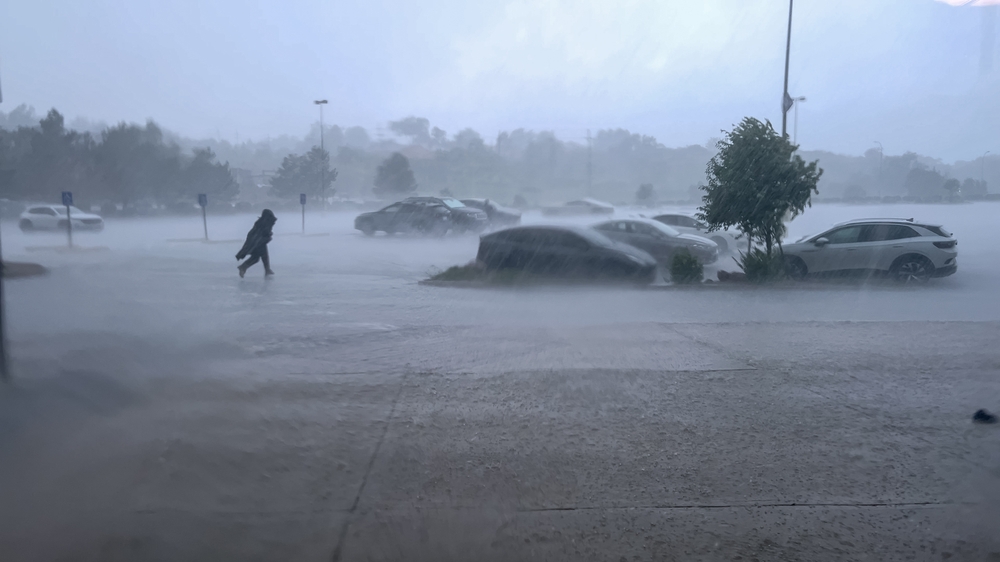
The Mediterranean region is facing increasingly frequent and intense storms, with a series of nine major weather systems impacting Spain, Portugal, and Morocco since January. These events have triggered widespread flooding, significant infrastructure damage, and the displacement of thousands, testing the emergency response capabilities of all three nations. The escalating frequency and severity of these storms are prompting renewed discussions about climate change adaptation and the need for enhanced disaster preparedness in a region particularly vulnerable to extreme weather events. The impacts extend beyond immediate damage, raising concerns about long-term economic stability and the social vulnerability of affected communities.
The recent storms underscore a growing trend of extreme weather events in the Mediterranean, a region identified by climate scientists as a hotspot for climate change. Rising sea temperatures and altered atmospheric patterns are contributing to more intense rainfall and increased storm surges, exacerbating the risks faced by coastal populations and critical infrastructure. The events of early 2026 serve as a stark reminder of the urgent need for proactive measures to mitigate the impacts of climate change and build resilience within these communities. Understanding the complex interplay between meteorological factors and climate change is crucial for developing effective adaptation strategies.
In Spain, torrential rains and strong winds affected approximately 115,000 people across 19 villages in the Sierra de Cádiz, leading to over 12,400 evacuations. The Spanish government has allocated more than €7 billion to address the damage, supplemented by an additional €1.78 billion in funding from the regional Andalusian government. Spain, having previously hosted the FIFA World Cup in 1982, is now grappling with the immediate aftermath of these storms although simultaneously preparing to co-host the 2030 FIFA World Cup. Portugal experienced severe consequences as well, including six fatalities during Storm Kristin, winds reaching 202 km/h, and approximately one million people left without electricity. The Portuguese government responded with a reconstruction package totaling €3.5 billion. In northern Morocco, flooding resulted in 43 deaths and the displacement of around 300,000 people, causing damage to 110,000 homes, prompting the implementation of a recovery plan worth €280 million.
Scientific Analysis and the Role of Climate Change
An international team of researchers from institutions across Europe, Africa, and North America has been analyzing these events, focusing on maximum daily precipitation during the October-March period in two particularly affected regions: northern and northwestern Spain, and southern Portugal combined with southwestern Spain and northern Morocco. The goal of this research, as outlined in studies examining the events, is to understand the probability and intensity of extreme rainfall and to determine the extent to which human-induced climate change has influenced these occurrences. The collaborative effort highlights the global nature of climate change research and the importance of international cooperation in addressing shared environmental challenges.
The studies indicate that while timely alerts and evacuations limited the number of casualties, densely populated urban areas and low-lying coastal cities remain highly exposed. In Morocco, social vulnerability amplified the impact, with many residents living in informal settlements with substandard housing and infrastructure. From a climatological perspective, the overall return period of these extreme events doesn’t appear exceptional regionally, but locally, the precipitation corresponds to rare events, with frequencies exceeding 100 years in some areas. This localized intensity underscores the importance of granular risk assessments and targeted adaptation measures.
Historical observations since 1950 reveal an increase in the intensity of rainy events, with increments of 36% in the southern region and 29% in the northern region, further influenced by the North Atlantic Oscillation, which amplifies rainfall in the southern region. Climate model simulations confirm that a portion of this increase can be attributed to climate change, although the difference between observations and modeling varies between the two regions. An analysis of atmospheric circulation on February 4, 2026, revealed a North Atlantic pressure dipole with high humidity availability, creating unstable atmospheric conditions and favoring intense winds and exceptional precipitation. This specific atmospheric configuration played a critical role in the severity of the storms.
Response and Future Strategies
Despite advancements in disaster management, there is a clear need to further strengthen early warning and response systems at both national and local levels. Integrating up-to-date risk information with vulnerability assessments and exposure mapping, alongside future climate projections, is paramount. Land-use planning, building regulations, and infrastructure investment decisions must incorporate risk reduction principles. Timely and effective responses, including damage assessment, restoration of essential services, and protection of affected communities, can help limit the long-term effects of flooding. Investing in resilient infrastructure and promoting sustainable land management practices are crucial components of a comprehensive adaptation strategy.
The storms of the western Mediterranean in 2026 demonstrate how the combination of extreme weather events, social vulnerability, and urban exposure necessitates greater climate resilience and a more integrated prevention strategy, capable of reducing both human and economic costs. The 2030 FIFA World Cup, co-hosted by Morocco, Portugal, and Spain, will require careful consideration of these climate risks to ensure the safety of participants and spectators. The “Yalla Vamos 2030” bid, as it’s officially known, represents a significant opportunity to showcase sustainable event management practices and promote climate awareness on a global stage. The inclusion of inaugural matches in Uruguay, Argentina, and Paraguay to commemorate the centenary of the 1930 World Cup highlights the interconnectedness of the football world and the shared responsibility to address climate challenges.
Looking ahead, continued investment in climate monitoring, research, and early warning systems is essential. Strengthening international collaboration and knowledge sharing will also be critical for building resilience across the Mediterranean region. The events of 2026 serve as a wake-up call, emphasizing the urgency of addressing climate change and preparing for a future characterized by more frequent and intense extreme weather events. The FIFA Congress’s ratification of the 2030 World Cup bid on December 11, 2024, provides a platform to integrate sustainability and climate resilience into the planning and execution of this major international event.
Key Takeaways
- Increased Frequency and Intensity: The Mediterranean region is experiencing a rise in extreme weather events, particularly intense storms and flooding.
- Climate Change Link: Scientific analysis confirms that climate change is contributing to the increased intensity of these events.
- Vulnerability Amplified: Social vulnerability and urban exposure exacerbate the impacts of these storms, particularly in Morocco.
- Need for Resilience: Strengthening early warning systems, investing in resilient infrastructure, and promoting sustainable land management are crucial for building climate resilience.
Further updates on recovery efforts and long-term adaptation strategies will be released by the respective governments in the coming months. Readers are encouraged to share their thoughts and experiences in the comments section below and to engage in constructive dialogue about building a more resilient future for the Mediterranean region.
Keep reading
- Severe Storm Batters Vilnius: Flooded Streets, Fallen Trees, and Flight Disruptions
- Gironde Wildfires: Residents Accuse Authorities of Favoring Cap-Ferret
- Searca Talk Show Empowers Students as Climate Detectives (news-usa.today)
- Searca Talk Show Empowers Students as ‘Climate Detectives (archynewsy.com)