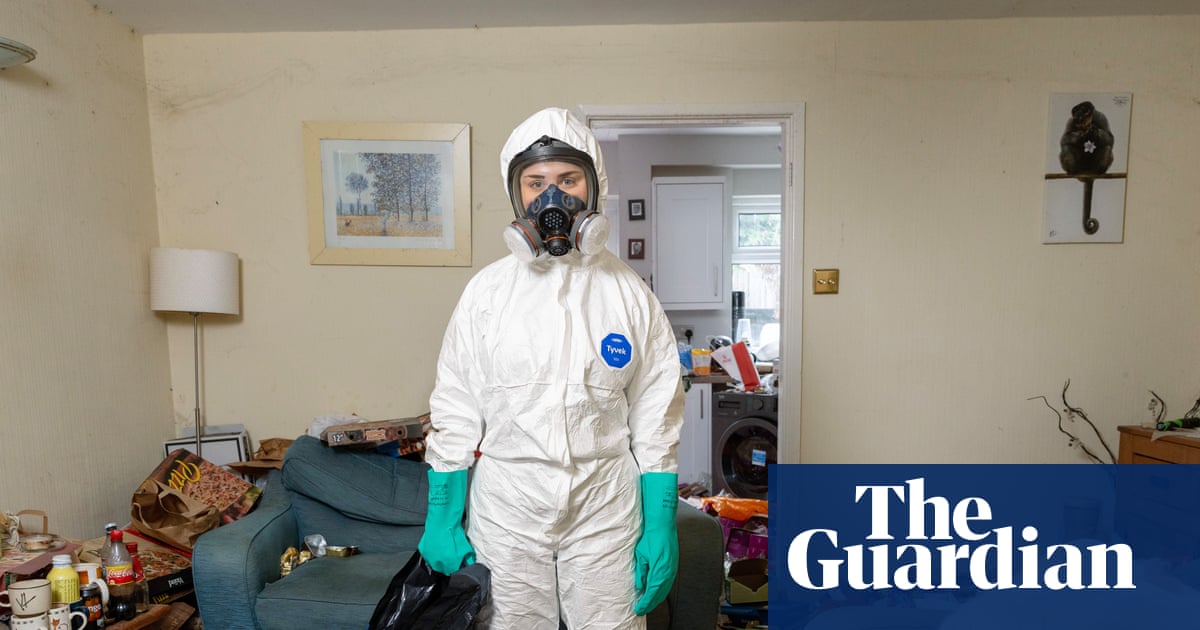
Bea Elton, a 28-year-old professional cleaner, has gained significant public attention for her work in extreme cleaning, a specialized field involving the restoration of homes impacted by severe neglect, hoarding, or biological hazards. Through her platform, CleanWithBea, Elton documents the process of rehabilitating living spaces that have fallen into states of extreme decay, often involving mould, pest infestations, and significant waste accumulation. Her work has reached a global audience, with more than six million followers across YouTube, TikTok, and Instagram, who engage with her content as she addresses environments that many find overwhelming.
The conditions Elton encounters—which can include structural damage, hazardous biological materials, and deep-seated filth—represent environments that pose significant risks to human health, including respiratory issues, infection, and injury. Her approach, which emphasizes patience and the cultivation of trust with clients, highlights the sensitive nature of working with individuals who may be struggling with complex underlying health or social challenges.
The Reality of Extreme Cleaning
The work performed by Elton and her team requires more than standard cleaning supplies; it involves rigorous safety protocols and, at times, hazardous material mitigation. Before entering a property, Elton and her associates typically utilize personal protective equipment (PPE), including hazmat suits, shoe covers, gloves, and respirators. These measures are essential when dealing with environments where, for instance, animal remains or toxic mould may be present. According to Elton, the process is rarely a quick fix; it often requires months of building trust with the occupant before work begins, acknowledging that the state of a home is frequently a physical manifestation of a deeper, often psychological, struggle.
While the term “cleanfluencer” has become popular in digital media to describe those who create content around cleaning, Elton has distanced herself from this label. She maintains a focus on the practical, and often difficult, realities of the job. For the millions who watch her content, the appeal lies in the tangible transition from chaos to order—a stark contrast to the perceived uncontrollability of daily life. However, Elton notes that the “polished” nature of online video cannot fully replicate the experience of entering these homes, where the sensory impact of decay is immediate and profound.
Public Health and the Hoarding Syndrome
The health implications of such environments are multifaceted. Accumulated waste can lead to the proliferation of bacteria and pests, which in turn can exacerbate chronic health conditions, such as asthma or other respiratory diseases. Elton’s work, while focused on the physical environment, functions as a form of intervention that can help residents reclaim their living spaces and, in some cases, provide the stability necessary to seek further support.
The Role of Digital Media in Advocacy
By documenting the cleanup process, Elton has helped destigmatize the act of asking for help with extreme cleaning. For many of her viewers, the content provides a sense of hope, reinforcing the idea that “no matter how bad, it is always fixable.” This message of restoration serves as a powerful motivator for viewers who may be experiencing their own challenges with home maintenance or mental health.
However, the ethical considerations of filming in such private spaces remain a subject of ongoing discussion in the media industry. Protecting the identity and privacy of clients while documenting the progress of a cleanup requires a delicate balance. Elton’s approach, which centers on the professional execution of the task and the transformation of the space, appears to prioritize the dignity of the individuals whose lives are being impacted by her work. As this genre of content continues to grow, the standard for ethical storytelling will remain a point of interest for both the public and health advocates.
Moving Forward With the Work
Worth a look