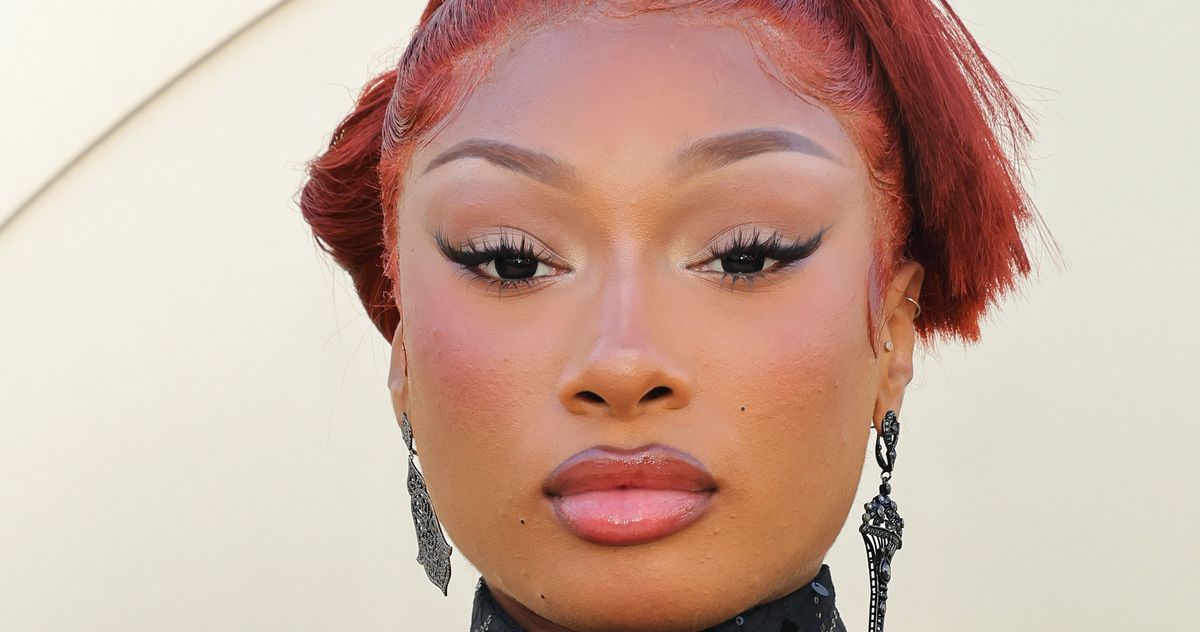
Megan Thee Stallion was denied a permanent injunction against Milagro Cooper by a federal judge, according to court documents obtained by TMZ and reported by multiple entertainment outlets on April 20, 2026. The ruling came in a cyberstalking case where the rapper had sought to prevent the blogger from discussing her mental state, alcohol use, and extended family. The judge determined that Cooper’s online commentary, while found liable for defamation in a prior lawsuit, did not rise to the level of cyberstalking under Florida law.
The decision follows a defamation verdict from December 2025, in which a jury found Milagro Cooper liable for intentional infliction of emotional distress and for sharing sexually explicit deepfake images of Megan Thee Stallion. That judgment initially awarded $75,000 in damages, later reduced to $59,000 by the presiding judge. Despite that legal victory, the court ruled that the injunction request exceeded what was warranted, noting there was no evidence Cooper engaged in physical tracking or harassment beyond her blog posts.
In denying the injunction, the judge characterized Megan Thee Stallion’s demands as “overboard,” emphasizing that Cooper’s blog, Milagro Gramz, served a legitimate purpose as news and commentary. The ruling underscored the legal distinction between defamation—which was already adjudicated—and cyberstalking, which requires proof of a credible threat or pattern of conduct causing substantial emotional distress through repeated, unwanted contact.
According to the court filings reviewed by TMZ, Megan Thee Stallion’s legal team had argued that Cooper’s repeated references to her psychological well-being and familial relationships constituted a form of digital harassment. However, the judge found no indication that Cooper attended concerts, attempted to locate the rapper in person, or engaged in any behavior that would satisfy Florida’s statutory definition of cyberstalking, which includes following, surveilling, or communicating with a person without consent for an improper purpose.
The case has drawn attention to the challenges celebrities face in balancing legal remedies against online speech, particularly when allegations involve manipulated media and personal narratives. Legal experts note that while defamation claims can succeed when false statements are proven harmful, injunctions restraining speech face higher constitutional hurdles under the First Amendment, especially when the content is deemed to contribute to public discourse.
Milagro Cooper, who operates the Milagro Gramz blog, has not publicly commented on the ruling as of April 21, 2026. Megan Thee Stallion’s representatives similarly declined to provide a statement when contacted by World Today Journal. The denial of the injunction does not affect the standing of the earlier defamation judgment, which remains enforceable unless appealed or overturned.
This development marks the latest chapter in a prolonged legal conflict between Megan Thee Stallion and individuals connected to her 2020 shooting incident involving Tory Lanez. Cooper had previously been accused by the rapper’s legal team of acting as a “mouthpiece” for Lanez during their public dispute, a claim that played a role in the emotional distress allegations but was not independently verified as part of the cyberstalking assessment.
For readers seeking to follow the case, official court documents from the U.S. District Court for the Middle District of Florida are available through the federal judiciary’s Public Access to Court Electronic Records (PACER) system. No further hearings have been scheduled in this matter as of the date of this report, though either party may pursue appellate review of the injunction denial.
The outcome reinforces the principle that while individuals possess legal recourse against harmful falsehoods, courts are reluctant to issue broad restrictions on speech—even when motivated by personal distress—without clear evidence of illegal conduct such as stalking, threats, or invasion of privacy. As debates over digital harassment and celebrity privacy continue, this case serves as a reference point for the limits of judicial intervention in online speech disputes.
World Today Journal will continue to monitor this story for any updates, including potential appeals or related legal proceedings. Readers are encouraged to share their thoughts in the comments section and follow our entertainment coverage for verified reporting on developments in music, law, and celebrity culture.
Keep reading
- Unflinching BBC drama about every parent’s ultimate nightmare races up Netflix charts
- [애니메이션 영화 <미니언즈 & 몬스터즈> 1주 차 주말 특전 목록] – 샤우팅의 영상 이야기
- NFL Void Years, Explained: How Teams Borrow Against Next Year's Cap (daybreakwire.com)
- International Criminal Court confirms war crimes and crimes against humanity charges against Libyan suspect Khaled Mohamed Ali El Hishri (archyde.com)