
As political discourse intensifies across Malaysia, questions regarding the potential dissolution of state assemblies remain a focal point of public interest. Amidst ongoing speculation about the timing of state elections, the Chief Minister of Melaka has recently addressed inquiries concerning when his state might follow the lead of other regions in dissolving its legislative assembly.
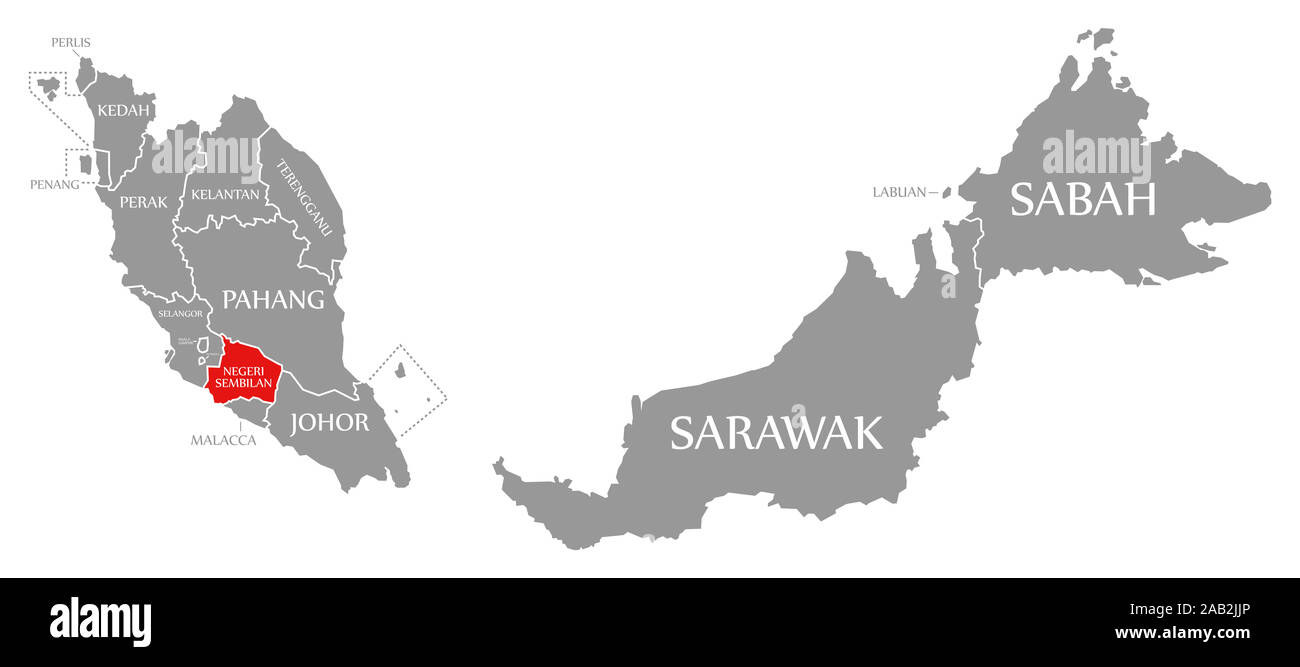
In a clear signal to political observers and the public alike, the Melaka Chief Minister has indicated that the state government will not be pressured into premature action. Emphasizing a commitment to stability and existing governance mandates, the leadership has firmly stated that the state will not be swayed by the political movements or dissolution timelines of other states, specifically referencing the developments in Johor and Negeri Sembilan.
Maintaining Governance Stability in Melaka
The state government’s position reflects a broader strategy of focusing on administrative continuity rather than reacting to the shifting political currents in neighboring states. The Chief Minister’s remarks serve to clarify that the dissolution of the Melaka State Legislative Assembly is a decision to be made based on the state’s specific requirements and constitutional framework, rather than as a reactionary measure to external events.
According to the Election Commission of Malaysia (SPR), the mandate for state assemblies is governed by the respective State Constitutions, which dictate the term limits and the procedures for dissolution. While political parties often engage in speculation regarding early elections to gain strategic advantages, the official stance from the Melaka leadership remains centered on the completion of the current term or specific strategic timing that serves the state’s interest, rather than following a synchronized national or regional schedule.
Understanding the Context of State Dissolutions
In the Malaysian federal system, individual states possess the autonomy to manage their legislative assembly terms, provided they adhere to the federal constitutional requirements. The recent discussions surrounding the timing of elections in Johor and Negeri Sembilan have naturally led to public inquiries about whether other states, including Melaka, would seek to align their electoral cycles.

However, the Melaka state administration has underscored the importance of maintaining focus on economic recovery and public service delivery. By opting not to “dance to the tune” of other states, the Chief Minister signals a preference for political stability, allowing the current administration to fulfill its developmental goals without the disruption of an unscheduled election campaign.
Key Factors in State Election Timing
- Constitutional Mandates: Every state must adhere to its own constitution regarding the maximum duration of the legislative assembly, typically five years from the date of its first meeting.
- Political Strategy: Parties often weigh the benefits of holding concurrent elections with the federal government versus staggered dates.
- Public Interest: The primary concern for state leadership is the impact of election cycles on the state’s economy and the continuity of essential public services.
For citizens looking to stay informed, the official portal of the Government of Malaysia provides updates on legislative matters and election guidelines. It is essential for voters to distinguish between speculative political commentary and official announcements issued by the state government or the Election Commission.
Looking Ahead: The Path Forward
As of June 2026, there have been no official announcements regarding the dissolution of the Melaka State Legislative Assembly. The government’s focus remains on its current legislative agenda and the implementation of policies aimed at regional growth. Political analysts note that such rhetoric from state leaders is common in a vibrant democracy, serving to manage expectations and maintain control over the political narrative.
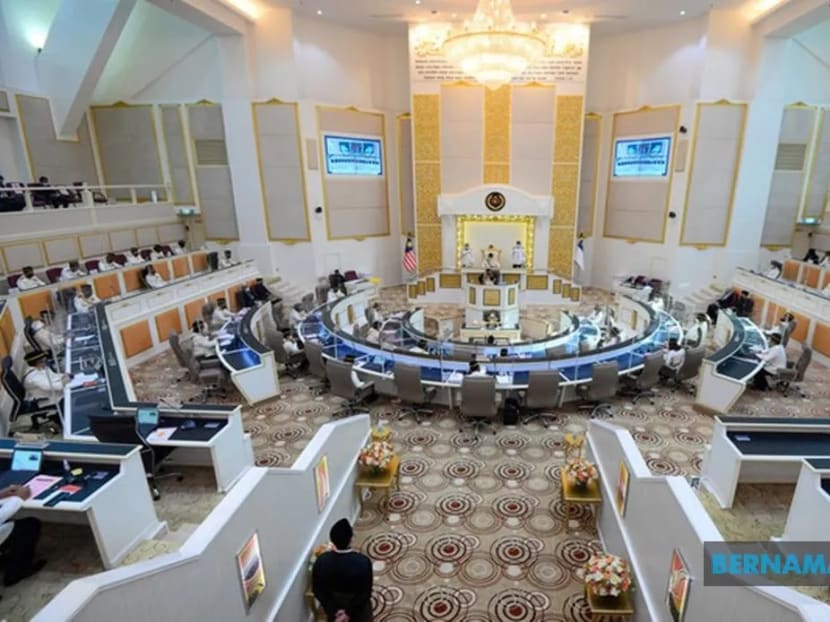
The next confirmed checkpoint for any changes to the state’s political composition will be official press releases from the Chief Minister’s Office or formal notifications issued by the state assembly speaker. Until such time, the administration continues to operate under its existing mandate.
We invite our readers to share their perspectives on this development in the comments section below. How do you feel about the timing of state elections in relation to federal stability? Your engagement is vital to the ongoing conversation about the future of our democracy.
Related reading