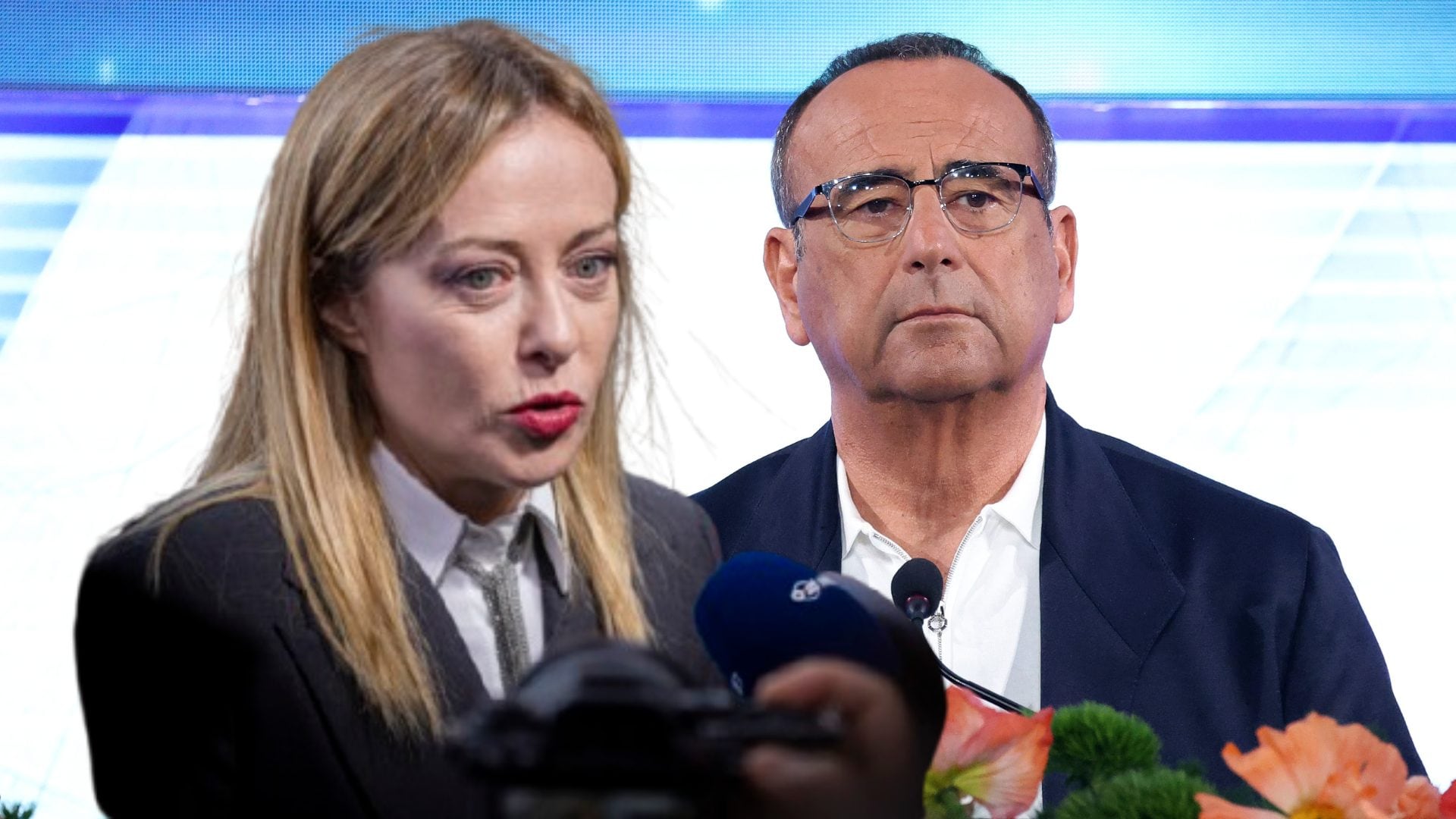
Prime Minister Meloni Denies Participation in Sanremo Festival Amidst Rising Speculation
Rome, Italy – Italian Prime Minister Giorgia Meloni has publicly refuted claims of her planned attendance at the 76th annual Sanremo Music Festival, Italy’s most-watched television event. The controversy arose from circulating rumors suggesting Meloni would appear as a guest during the festival’s opening night. The Prime Minister addressed the speculation via a post on X (formerly Twitter), criticizing the spread of “invented news” and referencing the popular “Fantasanremo” game, a fantasy football-style competition centered around the festival’s participants. This incident highlights the intersection of politics and popular culture in Italy, and the challenges of combating misinformation in the digital age.
The initial reports prompted a response from Carlo Conti, the artistic director and host of the 2026 Sanremo Festival. Conti stated that Meloni, like any other citizen, could purchase a ticket to attend the event, effectively dismissing any special arrangements or invitations. His comments, reported by Agenzia Nova, fueled further discussion and prompted Meloni’s direct intervention. The festival, scheduled to begin on February 20th, 2026, has become a focal point for political commentary and public debate, even before the first note is sung.
Meloni’s statement on X, translated from Italian, read: “I have been reading for days about my alleged participation in the first evening of Sanremo. A completely invented story, immediately denied by Palazzo Chigi and subsequently by Carlo Conti himself. Yet the story continues: after the denial, today the presenter was again pressed in the press room about my phantom presence. At this point, perhaps it is worth remembering to those who invent news from scratch that Fantasanremo is a fun game for fans of the Festival. News, however, should remain in the real world.” She concluded by expressing confidence in the festival’s success “without imaginary guests,” emphasizing its role as a celebration of Italian music and a space free from unnecessary political controversy.
Conti Dismisses Claims of Political Pressure Regarding Guest Lineup
The Prime Minister’s comments followed a press conference held by Carlo Conti on February 22nd, 2026, where he addressed concerns about potential political pressure influencing the selection of guests for the festival. According to reports, Conti firmly denied any interference, stating, “I have already answered with ‘pure science fiction.’ I believe my history speaks for itself; I have done Sanremo with every government, and Rai [Italy’s national public broadcaster] has always allowed me autonomy. I prefer to be said that I don’t realize how to do my job, rather than someone pulling me by the jacket to get this or that guest to arrive.” This assertion underscores the importance of artistic independence within the publicly funded broadcasting system.
The Sanremo Music Festival, a cultural institution in Italy, has a long history of attracting both musical talent and political attention. Founded in 1951, the festival serves as a platform for launching new artists and showcasing established stars. The event consistently draws millions of viewers each night, making it a significant media event and a prime opportunity for politicians to engage with the public. However, the increasing politicization of the festival, as evidenced by this recent episode, raises questions about the appropriate boundaries between entertainment and governance.
The Rise of “Fantasanremo” and its Impact on Public Discourse
Central to Meloni’s response was her reference to “Fantasanremo,” a relatively new phenomenon that has rapidly gained popularity in Italy. Launched in recent years, Fantasanremo is a fantasy game where participants create virtual teams based on the festival’s performers and assign points based on their actions and statements during the event. The game encourages playful engagement with the festival and often generates humorous commentary on the artists and their performances. However, it as well serves as a breeding ground for speculation and, as Meloni suggests, the creation of fabricated narratives. The game’s popularity demonstrates a growing trend of interactive entertainment and the blurring lines between traditional media and online communities.
The incident involving Meloni and Sanremo also comes amidst a broader debate about the spread of misinformation and “fake news” in Italy. Concerns have been raised about the potential for online platforms to amplify false or misleading information, particularly during politically sensitive periods. The Prime Minister’s direct response to the rumors suggests a growing awareness of the need to actively counter misinformation and protect the integrity of public discourse. The Italian government has been exploring various strategies to address this challenge, including strengthening media literacy programs and collaborating with social media companies to combat the spread of false content.
Withdrawal of Andrea Pucci and Political Controversy
Adding another layer of complexity to the pre-festival atmosphere, singer Andrea Pucci announced his withdrawal from the competition on February 22nd, 2026, citing threats and political controversy. According to Il Sole 24 ORE, Pucci’s decision followed a wave of criticism and intimidation related to his artistic expression. While the specifics of the threats remain unclear, the incident has sparked a debate about freedom of speech and the potential for political polarization to stifle artistic creativity. Giorgia Meloni swiftly defended Pucci, condemning what she described as “the left’s illiberal drift” and expressing support for his right to express himself without fear of reprisal. This intervention further underscores the political undercurrents surrounding the Sanremo Festival and the broader cultural landscape in Italy.
Meloni stated, according to L’Unione Sarda.it, “Sanremo, Giorgia Meloni defends Pucci: ‘The left’s illiberal drift is intolerable.’” This statement highlights the increasingly polarized political climate in Italy and the willingness of political leaders to weigh in on cultural events. The withdrawal of Pucci and the subsequent political fallout raise concerns about the potential for censorship and the protection of artistic freedom in a democratic society.
The Sanremo Music Festival is scheduled to run from February 20th to February 28th, 2026. The event is expected to be broadcast live on Rai 1, Italy’s flagship television channel, and streamed online via RaiPlay. The festival will feature performances by 27 competing artists, as well as guest appearances by established musicians and celebrities. The competition will be judged by a combination of a professional jury, a televised public vote, and the results of the Fantasanremo game. The winner will represent Italy at the Eurovision Song Contest in May 2026.
As the festival approaches, all eyes will be on the Ariston Theatre in Sanremo, not only for the music but also for the potential for further political drama. The incident involving Prime Minister Meloni and the withdrawal of Andrea Pucci serve as a reminder of the complex interplay between culture, politics, and public opinion in contemporary Italy. The festival’s success will depend not only on the quality of the performances but also on its ability to navigate the increasingly turbulent waters of political discourse.
The next key event will be the commencement of the Sanremo Music Festival on February 20th, 2026, where the focus will shift to the performances and the competition itself. Viewers can tune in to Rai 1 and RaiPlay for live coverage of the event. Further updates and developments will be available on the official Sanremo Festival website: https://www.sanremo.rai.it/. We encourage readers to share their thoughts and opinions on this developing story in the comments below.
Related reading