The recent outbreak of meningitis B in Kent, England, has prompted urgent discussions about expanding vaccine eligibility across the United Kingdom. With two confirmed fatalities – a 21-year-old university student and a sixth form pupil named Juliette Kenny – and a rising number of cases, health officials are under increasing pressure to address public concerns and prevent further spread. As of Friday, March 20, 2026, the UK Health Security Agency (UKHSA) reported 18 confirmed cases and 11 more under investigation, triggering a surge in demand for the MenB vaccine and a review of current vaccination policy by the Joint Committee on Vaccination and Immunisation (JCVI).
The current situation highlights a long-standing debate regarding the cost-effectiveness of a widespread meningitis B vaccination program. Although infants have been routinely vaccinated against MenB since 2015, older teenagers and young adults, who were not eligible at the time the vaccine was introduced, remain vulnerable. This has led some parents to seek private vaccinations, causing localized shortages, though health officials assure the public that supply remains sufficient for targeted programs and those covered by the national rollout. The focus now is on determining whether a broader vaccination strategy is warranted, balancing public health needs with budgetary constraints.
Kent Outbreak and the Urgent Review
The outbreak, initially linked to a nightclub in Kent, has prompted a targeted vaccination program for students in halls of residence at the University of Kent in Canterbury. Alongside vaccinations, antibiotics are also being distributed to those at higher risk. Health Secretary Wes Streeting has urged calm, stating that the risk to the general public remains “low,” but acknowledged the understandable anxiety among parents and individuals. He has formally requested the JCVI to “re-examine eligibility for meningitis vaccines” to determine if a wider rollout is necessary. As reported by the BBC, Streeting emphasized that purchasing the vaccine privately is currently unnecessary.
The situation is evolving rapidly, with health officials anticipating potential spread as students return home for the Easter holidays. Dr. Anjan Ghosh, Kent County Council’s director of public health, explained that while the outbreak is currently contained within Kent, there is a possibility of “sporadic” cases appearing elsewhere in the UK as students travel. He stressed that these cases are “highly unlikely” to initiate recent outbreaks, but vigilance remains crucial. Ghosh outlined three potential scenarios over the next four weeks: containment within Kent, isolated cases linked to student travel, or the emergence of a new cluster outside of Kent.
The Debate Over Vaccine Eligibility and Cost-Effectiveness
The JCVI’s previous stance against a catch-up campaign for those born before 2015 was based on concerns about cost-effectiveness. The committee determined that vaccinating older teenagers would not provide sufficient long-term benefit to justify the expense, given that protection from the MenB vaccine wanes over time and does not prevent transmission. However, the current outbreak is forcing a re-evaluation of this position. Dr. Michael Head, a senior research fellow in Global Health at the University of Southampton, suggested that adding the MenB vaccine to routine year 9 jabs could be a viable option, leveraging existing school-based immunization programs.
However, not all experts agree. Professor Andy Pollard, director of the Oxford Vaccine Group at the University of Oxford, expressed skepticism that the JCVI would alter its recommendation unless circumstances significantly change. He acknowledged the potential health benefits of a broader vaccination program but highlighted the financial constraints imposed by the Treasury. According to Pollard, the JCVI is bound by rules regarding cost-effectiveness, making it difficult to approve programs that do not demonstrate a clear economic advantage. This highlights the complex interplay between public health priorities and fiscal responsibility in shaping vaccination policy.
Understanding Meningitis B and the Bexsero Vaccine
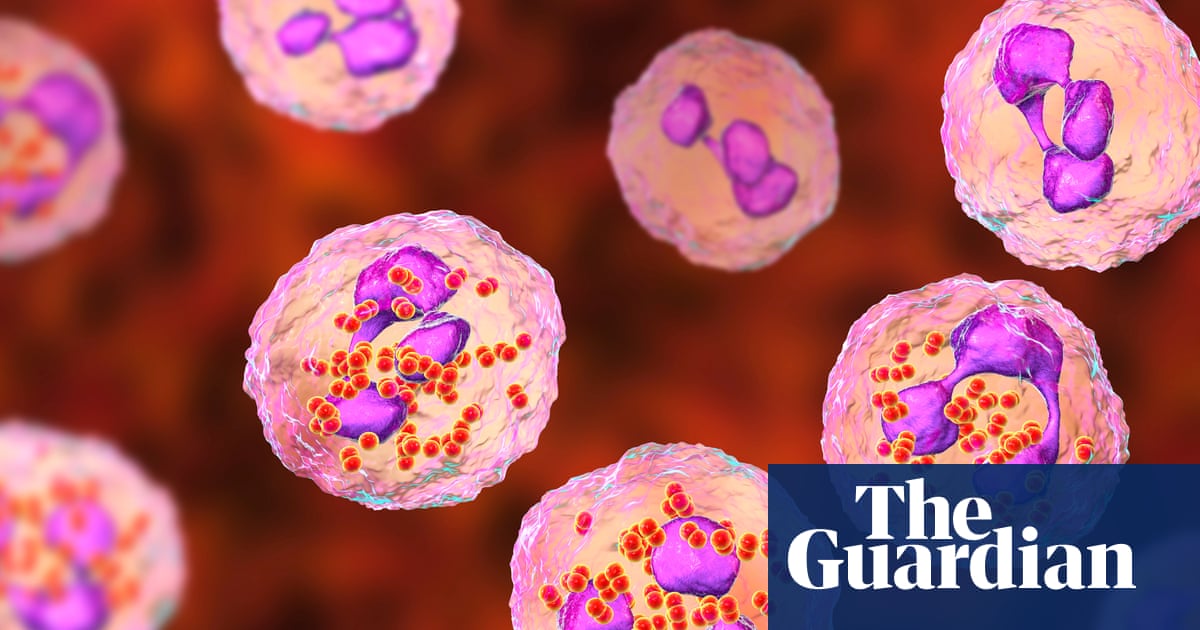
Meningitis B is caused by the bacterium Neisseria meningitidis serogroup B and is a leading cause of bacterial meningitis in the UK. Symptoms can develop rapidly and include fever, headache, stiff neck, vomiting, and sensitivity to light. Early diagnosis and treatment with antibiotics are crucial to prevent serious complications, such as brain damage, hearing loss, and even death. The Bexsero vaccine, currently being used in the targeted vaccination program in Kent, has been shown to provide protection against the specific strain of MenB circulating in the outbreak – sequence type 485 belonging to the larger clonal complex ST-41/44. Reuters reports that UKHSA analysis indicates the Bexsero vaccine should offer protection against this strain.
The introduction of the MenB vaccine for infants in 2015 has significantly reduced the incidence of the disease in this age group. However, the lack of a routine vaccination program for older children and young adults leaves a vulnerable population susceptible to infection. The current outbreak serves as a stark reminder of the ongoing threat posed by meningitis B and the importance of continued research and surveillance to inform vaccination strategies.
Impact and Response
The outbreak has understandably caused significant distress and anxiety among families and communities. The family of Juliette Kenny, the sixth form pupil who tragically died from the disease, has publicly shared their grief and is now campaigning for wider access to the meningitis B vaccine. Her father, Michael Kenny, stated, “No family should experience this pain and tragedy,” and expressed hope that his daughter’s legacy would be “lasting change.” This powerful plea underscores the human cost of the disease and the urgent require for effective prevention measures.
NHS Kent and Medway has been working diligently to administer vaccinations and distribute antibiotics to those at risk. As of Friday, March 20, 2026, over 4,500 people had received the vaccine, and 10,561 doses of antibiotics had been distributed. Ed Waller, the deputy chief executive and chief strategic commissioning officer at NHS Kent and Medway, assured the public that ample vaccine supplies are available and that efforts are underway to increase capacity at vaccination sites. The response demonstrates the commitment of healthcare professionals to protect the public from this serious infectious disease.
The UKHSA has confirmed that similar strains of MenB have been circulating in the UK for approximately five years, but detailed analysis of the outbreak pathogen is ongoing to better understand its characteristics and potential for further spread. This ongoing surveillance is critical for informing public health interventions and ensuring the effectiveness of vaccination programs.
Key Takeaways
- A meningitis B outbreak in Kent, England, has resulted in two fatalities and prompted a review of national vaccination policy.
- The JCVI is re-examining the eligibility criteria for the MenB vaccine, considering a wider rollout beyond infants.
- The Bexsero vaccine, currently being used in the targeted vaccination program, is expected to provide protection against the circulating strain.
- The outbreak highlights the ongoing vulnerability of older teenagers and young adults who were not vaccinated as infants.
- Families affected by the outbreak are advocating for broader access to the MenB vaccine to prevent future tragedies.
The JCVI is expected to announce its recommendations regarding potential changes to the meningitis B vaccination schedule in the coming weeks. The outcome of this review will have significant implications for public health policy and the protection of vulnerable populations across the United Kingdom. We will continue to monitor the situation closely and provide updates as they become available.
What are your thoughts on the meningitis B vaccine rollout? Share your comments below, and please share this article with your network to raise awareness about this important public health issue.
Keep reading