The Evolving Role of Men’s Health in Fertility & Reproductive Wellness
for decades, the focus of fertility conversations centered primarily on women. Though, a significant shift is underway. Men are increasingly recognizing their crucial role in conception and proactively taking steps to optimize their reproductive health. Recent research from Progyny reveals a growing awareness and engagement among men, signaling a profound conversion in how masculinity and well-being are defined.
This article delves into the key findings of Progyny’s research, exploring the changing attitudes, actions, and future outlook for men’s sexual and reproductive health. We’ll examine how men are embracing self-care, seeking medical guidance, and navigating the financial aspects of fertility treatment.
A Growing Awareness of the Male Contribution to Fertility
Two-thirds of American men understand that lifestyle choices directly impact male fertility. This is a powerful starting point. Conditions like diabetes and hormonal imbalances can compromise sperm quality, but are often manageable with appropriate intervention.
Consider this: a man with previously undiagnosed diabetes, once he begins managing his blood sugar, can see improvements in his reproductive health. Similarly, reducing alcohol consumption can normalize sperm count for a man experiencing abnormal parameters.
These are tangible examples of how proactive self-care can make a difference.
Breaking down Barriers to Care: Men Seeking Support
Historically,men have been less likely to seek medical attention for sexual health concerns. Though, the data suggests this is changing.
* Prior Healthcare Access: A substantial portion of men in the study already had a primary care provider before beginning to try to conceive.
* Comfort with Specialists: Men diagnosed with a sexual health condition generally felt comfortable consulting with a urologist or fertility specialist, describing the experience as straightforward and easy.
This willingness to seek professional guidance is a positive trend, indicating a growing acceptance of prioritizing men’s health.
The Rise of Men’s Self-Care & Empowerment
The Global Wellness Institute highlights a broader cultural shift. Masculinity is being redefined, moving away from stoicism and self-reliance toward mental health, emotional resilience, and self-care. Social media plays a dual role, offering both perhaps harmful influences and supportive communities.
This evolution is empowering men to take ownership of their well-being.
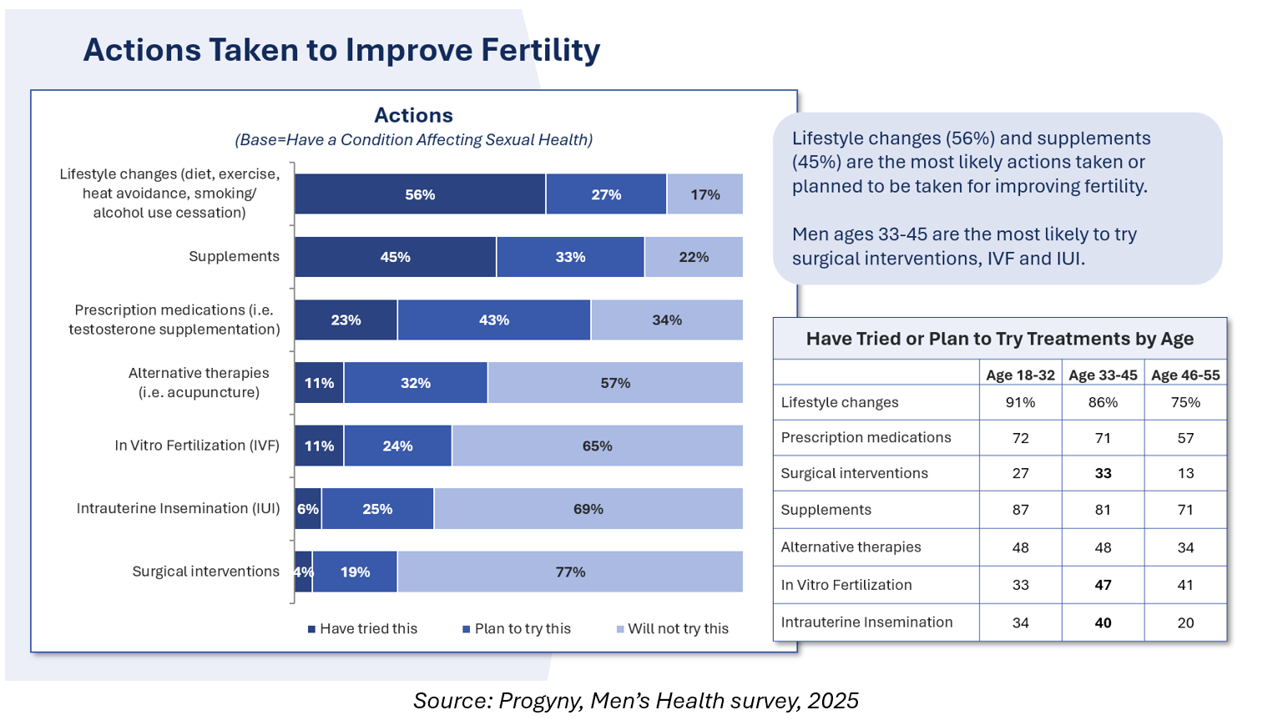
Actions Men Are Taking to Improve Fertility
Men are actively engaging in a variety of self-care practices to improve their reproductive health. Here’s a breakdown of the most common actions:
* Lifestyle Changes (56%): this includes adopting healthier diets, incorporating exercise, avoiding heat exposure (critically important for testicular health), and quitting smoking or reducing alcohol consumption.
* Supplement Use (45%): Many men are turning to supplements to support sperm health and overall reproductive function.
* Prescription Medications (23%): Some men are utilizing prescription medications, such as testosterone supplementation, under the guidance of a healthcare professional.
Looking Ahead: Future Trends in Men’s Reproductive Health
The momentum toward proactive men’s health is expected to continue.
* Interest in Alternative Therapies: One-third of men surveyed expressed interest in exploring alternative therapies like acupuncture, alongside supplements.
* Planned Medication Use: Nearly 40% of men are considering prescription medications to address sexual health issues.
This indicates a willingness to explore a range of options and a commitment to optimizing reproductive potential.
The bottom line: Men are increasingly recognizing their role in the fertility journey and are actively seeking ways to improve their health. This shift represents a significant prospect to expand access to care, promote preventative measures, and redefine what it means to be a healthy man in the 21st century.
Stay tuned for the next installment in this series, where we’ll explore the financial considerations surrounding fertility and family building.
Disclaimer: This article is for informational purposes only and does not constitute medical advice. Always consult with a qualified healthcare professional for personalized guidance.
Related reading