
The landscape of Formula 1 ownership and strategic investment continues to shift, with the latest developments centered on the Enstone-based Alpine F1 team. Recent industry reports have clarified that discussions regarding a potential minority shareholding acquisition by Mercedes-Benz have concluded without a deal, effectively ending speculation about a cross-manufacturer partnership that would have significantly altered the power dynamics of the grid.
For observers of the sport, the news that Mercedes has opted against pursuing a stake in the Renault-owned team is a reminder of the heightened valuation of Formula 1 assets in the post-Liberty Media era. Since the implementation of the cost cap and the sport’s surging popularity in the United States, the barrier to entry—and the price of equity—has reached unprecedented levels, as noted in recent financial analyses of F1 team valuations.
Evaluating the Alpine Asset
The Alpine F1 team, which operates under the wider Renault Group umbrella, has been navigating a period of significant internal transition. While the team remains a works manufacturer entry, its performance on the track has been inconsistent, leading to various strategic reviews. Reports suggesting that Mercedes had engaged in preliminary talks to acquire a minority stake were driven by the logic of potential synergy, yet the financial requirements proved to be a sticking point.
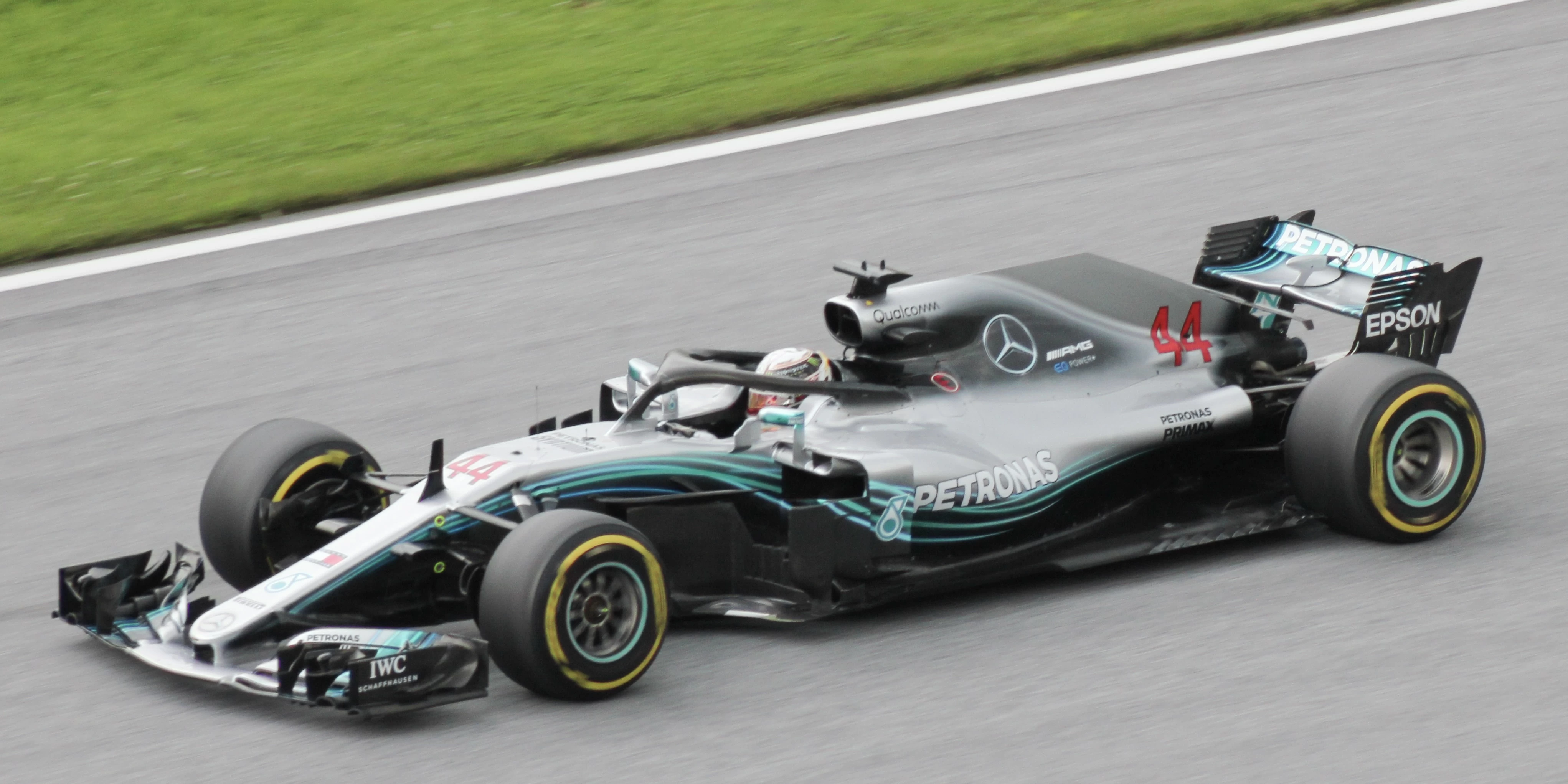
According to industry insiders familiar with the negotiations, the valuation placed on the Alpine outfit by its parent company did not align with the internal assessments conducted by Mercedes-Benz. In the current market, where teams are increasingly viewed as high-growth commercial entities, price discrepancies are common, but the gap in this specific case proved insurmountable. The refusal to proceed highlights the disciplined fiscal approach currently favored by Toto Wolff and the Mercedes-AMG Petronas leadership, who remain focused on the long-term sustainability of their own operations.
The Formula 1 Investment Climate
The broader context for this failed negotiation is the rapid appreciation of Formula 1 franchises. With the 2023 season concluding with record-breaking global viewership, the FIA and the commercial rights holders have overseen a period where even mid-field teams are valued in the hundreds of millions, if not billions, of dollars. For a manufacturer like Mercedes, which already carries the overhead of a championship-winning team, any additional investment must offer clear strategic or financial utility.
This situation underscores the “scarcity value” of F1 entries. Because there are only ten slots on the grid, current owners are often unwilling to sell equity unless the premium offered is substantial. Conversely, prospective investors are becoming more discerning, moving away from “vanity” purchases toward investments that offer tangible returns on investment (ROI). The breakdown of these specific talks serves as a case study in the current tension between team owners looking to capitalize on the sport’s “Drive to Survive” era valuation boom and investors wary of over-leveraging in a volatile sporting market.
Key Factors in the Current F1 Market
- The Cost Cap Impact: Since the introduction of the financial regulations in 2021, teams have shifted from loss-making entities to profitable businesses, drastically changing how they are valued by potential partners.
- Manufacturer Synergy: While Mercedes and Renault share some technical history, the complexities of managing a dual-manufacturer interest within the same sport present significant regulatory and competitive hurdles.
- Market Saturation: With interest from private equity firms and sovereign wealth funds, the price floor for minority stakes has risen, often pricing out traditional automotive partners who prioritize operational efficiency over speculative asset growth.
What This Means for Alpine and Mercedes
For Alpine, the conclusion of these talks means the team will continue to look toward alternative avenues for capital infusion or strategic partnership. The Renault Group has historically been committed to the F1 project as a marketing tool for its brand, but the pressure to deliver results on the track while maintaining a balanced budget remains acute. The team’s focus now shifts toward internal restructuring and improving its technical output to justify its current market valuation.

Mercedes, meanwhile, maintains its position as the powerhouse of the hybrid era, even as it faces its own competitive challenges. By walking away from the Alpine deal, the team avoids the potential distraction of managing a secondary interest and remains fully committed to the development of its own chassis and power unit. For those following the latest Formula 1 updates, this decision is a clear indicator of the team’s ongoing strategy: prioritize core performance and fiscal discipline over portfolio expansion.
As the 2024 season progresses, both organizations will be under the microscope. Performance on the track will ultimately dictate the next phase of their respective corporate narratives. Whether Alpine seeks other partners or continues under its current ownership structure remains to be seen, but the market has received a clear signal that the era of “easy” investment in F1 is firmly in the past.
Readers interested in the latest financial filings or corporate updates from the Renault Group regarding their motorsport division are encouraged to monitor the official Renault Group Investor Relations portal for upcoming quarterly reports.
What are your thoughts on the current valuation of Formula 1 teams? Join the conversation in the comments section below and share this analysis with your network.
Related reading