
Mercedes-Benz Design Legacy Continues with Modern Grab on “Red Pig” AMG
Former Mercedes-Benz design chief Gorden Wagener, even after stepping down from his role, continues to reflect on the rich heritage of the German automaker. Recently, Wagener unveiled a design study on Instagram, a modern reimagining of a legendary racing sedan from the 1970s. This concept serves as a visual tribute to a vehicle that played a pivotal role in the origins of the high-performance AMG division, long before its full integration into the Mercedes-Benz Group.
The new vision draws inspiration from the iconic 300 SEL 6.8 AMG, affectionately nicknamed “Rote Sau” – translating to “Red Pig” – due to its color and robust build. Wagener and his team have blended the classic silhouette of the historic Mercedes with cutting-edge surface sculpting techniques and advanced lighting technology. The result is a vehicle that bridges the brand’s celebrated past with its future ambitions. Wagener’s tenure at Mercedes-Benz spanned nearly two decades, overseeing a period of significant expansion and design innovation, as noted in a recent Car and Driver interview published January 28, 2026.
A Nod to Racing History
The design study is rooted in the 1971 Mercedes-Benz 300 SEL 6.8 AMG, a modified luxury sedan that shocked the racing world by finishing second overall at the 24 Hours of Spa. Engineers Hans Werner Aufrecht and Erhard Melcher, who would later found AMG, significantly modified the car’s engine, increasing its displacement to 6.8 liters and boosting its output to approximately 428 horsepower. This transformation, detailed in a recent report by Dupont Registry, turned a luxurious sedan into a formidable competitor on the track.
Despite its considerable weight of 1,635 kg (approximately 3,604 lbs), the 300 SEL 6.8 AMG, equipped with a five-speed manual transmission and widened body, achieved a top speed of 265 km/h (approximately 165 mph). This performance cemented AMG’s reputation in motorsport. The car’s success was particularly remarkable given its origins as a luxury vehicle adapted for racing, a testament to the ingenuity of Aufrecht and Melcher. The duo effectively created the first AMG vehicle in 1971, laying the foundation for the performance brand that would become synonymous with Mercedes-Benz.
Modern Design Cues and Future Aesthetics
The concept car’s front fascia is dominated by a striking chrome grille, a design element recently introduced on the new Mercedes-Benz GLC EQ and likely to become a signature feature of upcoming models. Traditional vertical headlights are complemented by modern LED rings integrated into the front bumper. The overall body shape, combined with aerodynamic glazing, echoes the futuristic concepts Mercedes-Benz has showcased at international auto shows. Wagener’s design study appears to be a show car, with no disclosed platform, drivetrain, or performance figures, according to reports.
The sporty character of the study is enhanced by a period-correct paint finish paired with modern touches, such as a low-slung front spoiler and five-spoke wheels bearing the AMG logo. The rear of the vehicle is defined by a thin light bar spanning the entire width of the car, complemented by an illuminated diffuser. While the design suggests potential directions for the future Mercedes-Benz S-Class, the project was conceived purely as a design exercise, without any plans for series production or specific technical specifications.
The Legacy of the “Red Pig”
The original 300 SEL 6.8 AMG’s fate remains somewhat unclear. After its racing career, it was reportedly used for testing by Matra and is believed to have been scrapped. However, its legacy lives on, not only in Wagener’s design study but also through an official replica built in 2006. Mercedes-Benz constructed the replica based on original documentation, using a chassis from a civilian 6.3 model, to commemorate the moment when a heavy sedan became a racing legend.
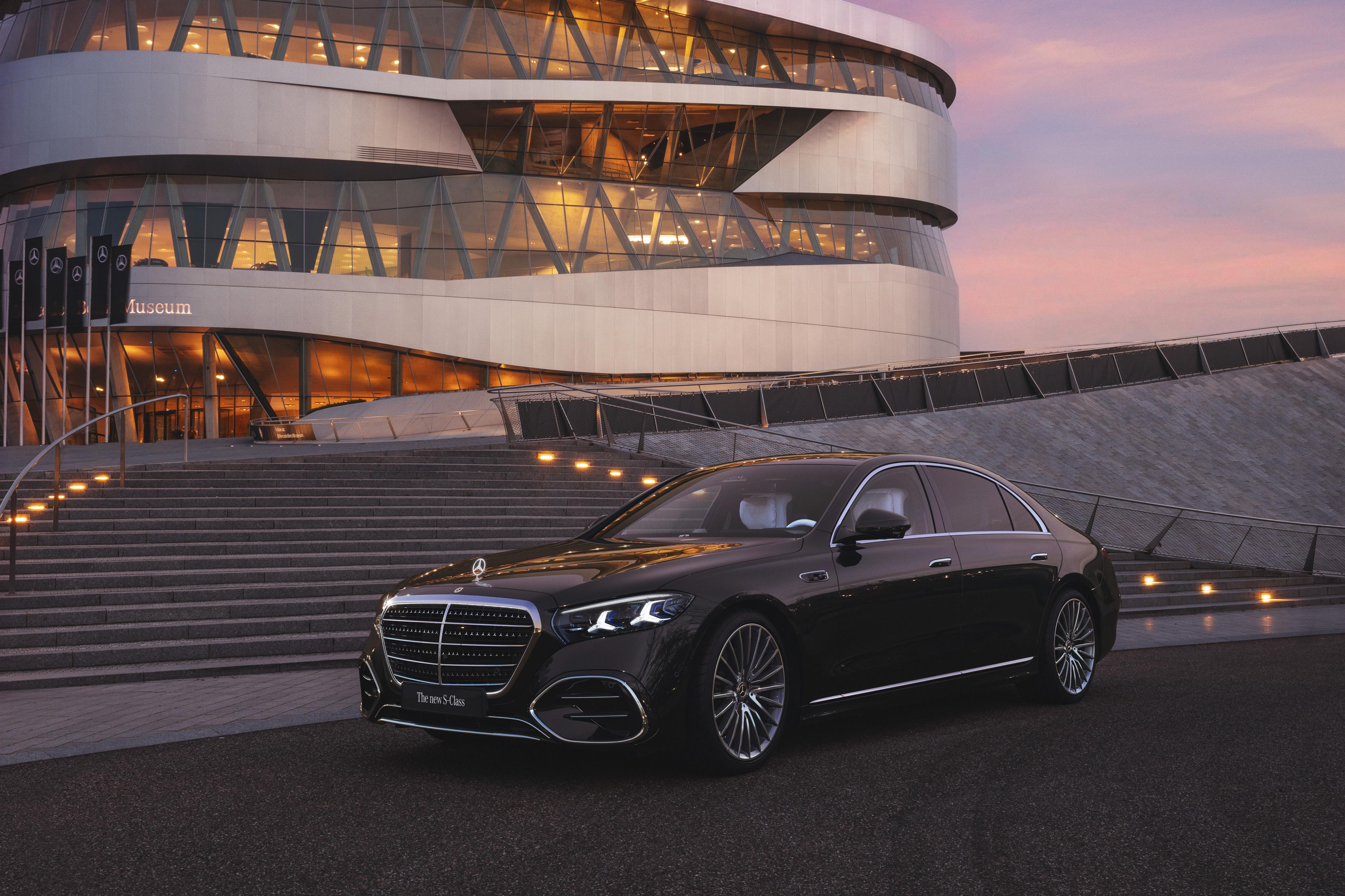
Gorden Wagener’s career at Mercedes-Benz spanned nearly 30 years, culminating in his role as chief design officer, a position he held for 17 years before his retirement on January 31, 2026. During his tenure, he oversaw the expansion of Mercedes-Benz into new segments, including SUVs and electric vehicles, and the revitalization of the Maybach brand. His influence extended beyond automotive design, encompassing collaborations with fashion houses, artists, and film franchises, as highlighted by Car and Driver.
The “Rote Sau” design study is a fitting tribute to a pivotal moment in Mercedes-Benz history and a testament to Wagener’s enduring passion for the brand’s design heritage. It serves as a reminder of the innovative spirit that has defined AMG for over five decades. The original AMG team’s dedication to performance and engineering excellence continues to inspire the brand today.

Key Takeaways
- Gorden Wagener, former Mercedes-Benz design chief, has unveiled a modern interpretation of the iconic 300 SEL 6.8 AMG, nicknamed “Rote Sau.”
- The design study pays homage to the vehicle that helped establish AMG as a high-performance brand.
- The concept blends classic design elements with contemporary styling cues, including a prominent chrome grille and advanced lighting technology.
- The original 300 SEL 6.8 AMG achieved notable success in the 1971 24 Hours of Spa race, demonstrating the potential of AMG’s engineering prowess.
- Wagener’s work reflects a commitment to preserving and evolving Mercedes-Benz’s rich design legacy.
Mercedes-Benz continues to innovate in design and performance, with the brand’s future models expected to incorporate elements seen in Wagener’s study and the latest GLC EQ. Further details on upcoming Mercedes-Benz models and design initiatives are expected to be released throughout 2026. We invite readers to share their thoughts on Wagener’s design study and the legacy of the “Red Pig” in the comments below.
Worth a look