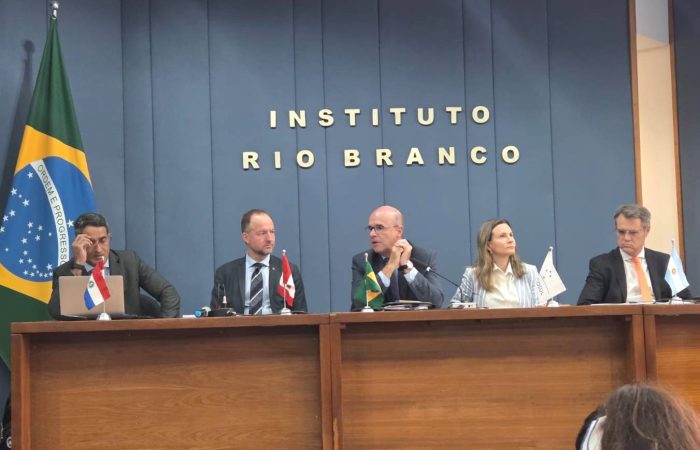
Brasília – Negotiations between Mercosur and Canada for a comprehensive free trade agreement are gaining momentum, with the eighth round of talks concluding in Brasília on February 27, 2026. The discussions, which resumed following a meeting of chief negotiators in October 2025, signal a renewed commitment from both sides to deepen economic ties and unlock modern opportunities for trade and development. This push comes as Brazil anticipates a ripple effect from its recently signed trade agreement with the European Union, seeking to expand its network of preferential trade relationships.
The latest round of negotiations, according to officials, was characterized by a constructive spirit and a willingness to engage in open dialogue. Delegations exchanged priorities, identified sensitivities, and made progress toward a mutually beneficial agreement. The prospect of a deal with Canada is particularly significant for Brazil, which sees it as a symbolic victory – securing a trade agreement with a neighbor of the United States following a period of trade tensions under the previous U.S. Administration. Last year, former U.S. President Donald Trump implemented broad tariffs against Brazil, Canada, and other nations, a move that President Lula da Silva has actively countered through strengthening relationships with partners like Canada.
Renewed Momentum Following EU-Mercosur Agreement
The signing of the Mercosur-EU free trade agreement on February 17, 2026, appears to have catalyzed the acceleration of talks with Canada. Brazilian government officials believe the EU deal has created a positive environment for securing similar agreements with other key economic partners. According to reports, Canadian negotiators are expected to visit Brasília next month for further discussions, indicating a strong desire to finalize the agreement as early as 2026. This timeline reflects the growing importance of diversifying trade relationships for both Mercosur and Canada.
Gustavo Monferrari Viana, a tax and foreign trade partner at Simões Pires Consultoria, highlighted the strategic importance of a Canada-Mercosur agreement. He explained that, unlike a customs union, a free trade agreement allows member countries to negotiate individually, opening up opportunities for Mercosur nations to potentially substitute Canada-U.S.-Mexico trade with their own products, particularly in agricultural and primary sectors. This potential shift in trade flows could provide a significant boost to Mercosur economies.
Areas of Focus in the Negotiations
During the eighth round of negotiations in Brasília, specialized groups convened to address key areas of the proposed agreement. These included discussions on market access for goods, trade in services, financial services, intellectual property rights, trade and sustainable development, and dispute resolution mechanisms. A separate group focused on rules of origin met virtually. These focused discussions demonstrate the comprehensive scope of the negotiations, aiming to address a wide range of trade-related issues.
The re-establishment of these negotiations underscores the mutual interest of Mercosur and Canada in strengthening their economic bonds. Both sides recognize the potential for increased trade and investment, as well as the creation of new opportunities for businesses and communities in both regions. The talks are not merely about reducing tariffs; they also encompass broader issues related to sustainable development and ensuring a level playing field for businesses.
Canada’s Role in the USMCA and Implications for Mercosur
Canada’s membership in the United States-Mexico-Canada Agreement (USMCA) adds another layer of significance to the potential free trade agreement with Mercosur. As Viana noted, Canada’s position within USMCA provides a strategic advantage, potentially opening doors to new markets and trade opportunities for Mercosur nations. The USMCA, which replaced NAFTA in 2020, is a comprehensive trade agreement that governs trade between the three North American countries. More information on the USMCA can be found on the Canadian government’s website.
The strengthening relationship between President Lula and Canadian Prime Minister Mark Carney has also played a crucial role in facilitating the progress of these negotiations. Carney extended an invitation to Lula to attend a G7 meeting last year, fostering a rapport that has helped clear the way for advancing trade discussions. This diplomatic engagement highlights the importance of political relationships in driving economic cooperation.
Looking Ahead: Next Steps and Potential Timelines
Following the conclusion of the eighth round of negotiations, both Mercosur and Canada expressed their commitment to maintaining momentum through continued technical work and further discussions on outstanding issues. The shared objective is to conclude negotiations, if possible, during the first half of 2026. This ambitious timeline reflects the urgency and political will driving the process.
The parties agreed on the importance of continued intersessional technical work to bridge remaining gaps and refine proposals. This will involve detailed discussions on specific sectors and issues, with a focus on achieving a balanced and mutually beneficial outcome. The success of these negotiations will depend on the willingness of both sides to compromise and address each other’s concerns.
Key Areas of Negotiation and Potential Benefits
The negotiations are expected to cover a wide range of topics, including:
- Tariff Reduction: Eliminating or reducing tariffs on goods traded between Mercosur and Canada.
- Services Trade: Liberalizing trade in services, such as financial services, telecommunications, and professional services.
- Intellectual Property: Establishing rules to protect intellectual property rights, including patents, trademarks, and copyrights.
- Sustainable Development: Integrating provisions related to environmental protection and sustainable development into the agreement.
- Dispute Resolution: Creating a mechanism for resolving trade disputes between Mercosur and Canada.
A successful agreement is anticipated to boost trade and investment flows between the two regions, creating new opportunities for businesses and consumers. It could also strengthen economic ties and promote greater cooperation on issues of mutual interest. For Mercosur, a deal with Canada represents a significant step towards diversifying its trade relationships and reducing its dependence on traditional markets.
The Canada-Mercosur free trade agreement negotiations represent a significant development in the evolving landscape of international trade. The commitment from both sides to reach a comprehensive and mutually beneficial agreement underscores the growing importance of regional trade partnerships in a globalized world. The next few months will be crucial as negotiators work to finalize the details of the agreement and pave the way for a new era of economic cooperation between Mercosur and Canada.
The next scheduled update from Mercosur officials regarding the progress of these negotiations is expected in April 2026. Readers interested in following the developments can monitor the official websites of the trade ministries of Mercosur member states and Global Affairs Canada for further information. We encourage you to share your thoughts on this developing story in the comments below.
Worth a look