Luxembourg Town Aspirations Meet Government Resistance: Mersch’s Bid for ‘Ville’ Status Stalled
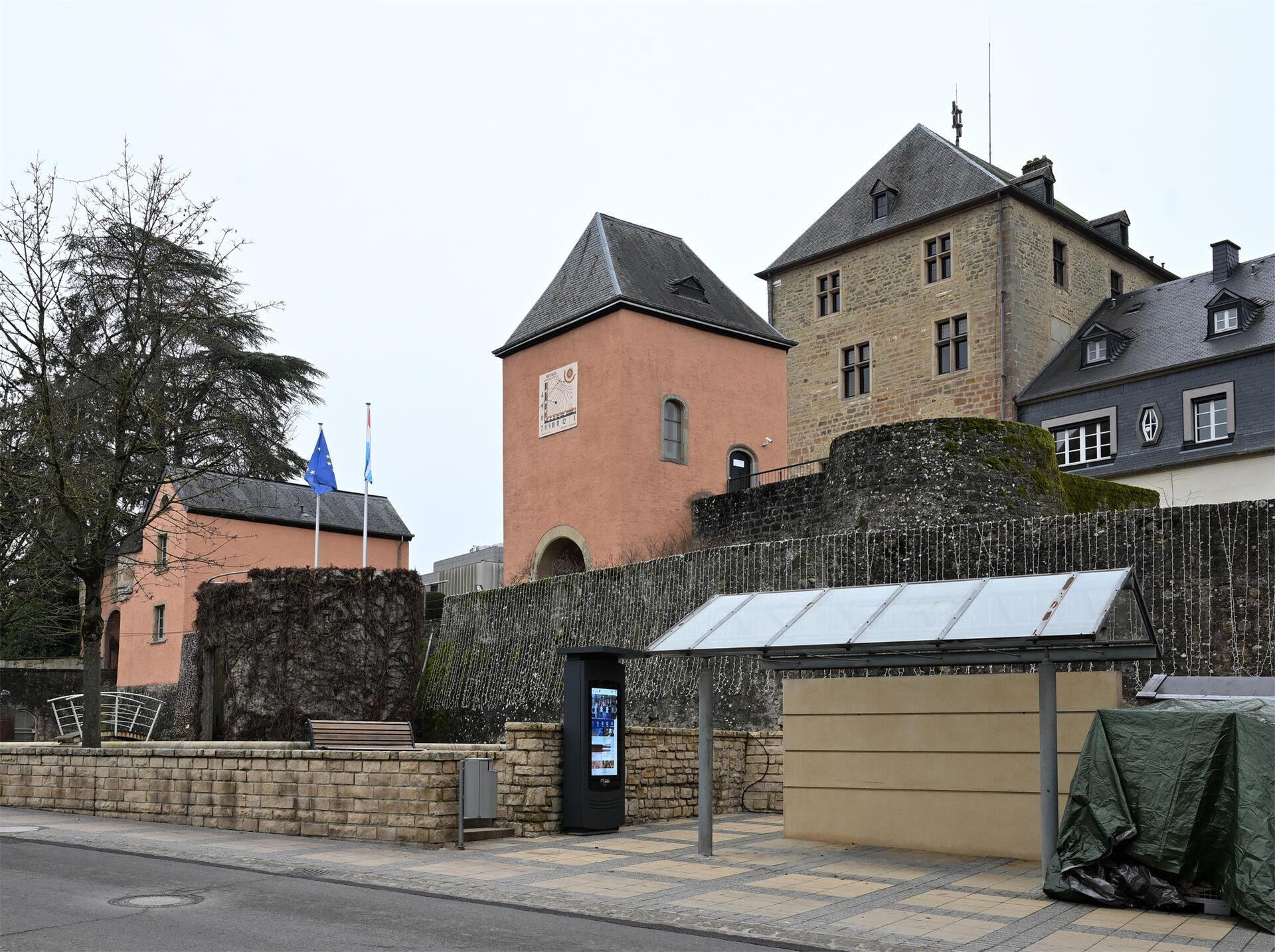
Mersch, a commune in central Luxembourg with a population of over 10,900, recently made a formal request to be designated a “Ville,” or town, a distinction largely symbolic but carrying weight in local prestige. However, the Luxembourg government has indicated it sees no immediate demand to act on the request, dashing hopes for a swift upgrade in status. The decision highlights a broader debate about the criteria for town designation within the country and raises questions about the future of similar aspirations from other Luxembourgish communes. The initial proposal, unanimously approved by the Mersch municipal council in early February, was presented to the Ministry of the Interior, with supporters arguing it was a matter of recognition and honor for the community. This push for recognition comes as other communes begin to explore the possibility of seeking similar designations.
The move by Mersch sparked a parliamentary question from Marc Goergen, a member of the Pirate Party, directed at Interior Minister Léon Gloden (CSV). Goergen inquired whether the government planned to establish specific criteria for determining when a commune could officially call itself a “Ville,” noting that the designation is currently governed by law. The question underscored the lack of clarity surrounding the process and the potential for inconsistencies in applying the title. The current situation allows for a degree of ambiguity, with communes relying on a legal framework that hasn’t been updated in over a century.
The Mayor of Mersch, Michel Malherbe (DP) Foto: Editpress/Georges Sold
Symbolic Status, Limited Practical Impact
In response to Goergen’s inquiry, Interior Minister Léon Gloden stated on Monday, March 9, 2026, that the government’s coalition agreement does not include provisions to modify the regulations governing the awarding of the “Ville” title, nor to introduce latest criteria. Gloden emphasized that the title holds only symbolic value and does not confer any concrete advantages or rights upon the designated commune. According to Gloden, the government prioritizes “real politics with tangible results” and favors strengthening and supporting communes through other means. This stance suggests a reluctance to engage in what the government views as a largely ceremonial process, preferring to focus on practical improvements to local governance, and infrastructure.
Gloden highlighted several examples of government support for communes, including increased political abandon for local officials and encouragement of voluntary mergers to create larger communes with greater “critical mass.” This emphasis on consolidation aligns with a broader government strategy to enhance the efficiency and effectiveness of local administration. The government believes that larger communes are better equipped to address the challenges of modern governance and deliver essential services to their residents. The focus on practical support rather than symbolic titles reflects a pragmatic approach to local development.
Mersch Mayor Michel Malherbe confirmed to Tageblatt that he received a similar response from the Interior Ministry. Although expressing disappointment, Malherbe acknowledged he had anticipated the outcome, stating, “I was advised against submitting this request, but I tried it anyway.” He conceded that he doesn’t fully agree with the Interior Ministry’s reasoning but indicated the matter is now closed from his perspective. Malherbe also stated he would refrain from pressing the issue with members of parliament, believing there are more pressing concerns to address.
Historical Precedent and Evolving Criteria
The “Ville” title in Luxembourg has historical roots, with Differdingen, Düdelingen, Ettelbrück, and Rümelingen receiving the designation under the law of August 4, 1907. Tageblatt reports that over a century later, Rümelingen, with a population of approximately 5,800 in 2026, has roughly half the population of Mersch (around 10,900). This disparity raises questions about the consistency of applying the title and whether population size should be a key consideration. Similar inconsistencies can be found in other countries, where the criteria for town or city status vary widely, often based on historical factors, statistical data, or even perceived character.
The lack of clear, codified criteria for achieving “Ville” status leaves the decision largely within the discretion of the government. This ambiguity can lead to perceptions of arbitrariness and frustration among communes seeking recognition. While the government maintains that the title is merely symbolic, local officials often view it as a source of pride and a recognition of their community’s achievements. The debate over Mersch’s application underscores the importance of establishing a transparent and equitable process for awarding the title.
The situation in Mersch reflects a broader trend of communes seeking greater autonomy and recognition within Luxembourg’s administrative structure. While the government prioritizes practical support and consolidation, local officials often advocate for measures that enhance their community’s identity and prestige. Finding a balance between these competing priorities will be crucial for fostering a harmonious relationship between the central government and Luxembourg’s communes.
As of March 10, 2026, there are no scheduled parliamentary debates or government reviews specifically addressing the issue of “Ville” status. However, the topic is likely to resurface as other communes express interest in seeking the designation. Readers interested in following developments on this issue are encouraged to monitor updates from the Luxembourg Ministry of the Interior and local news sources like Tageblatt.
What are your thoughts on the importance of town designations? Share your opinions in the comments below, and please share this article with others who may find it informative.
Keep reading