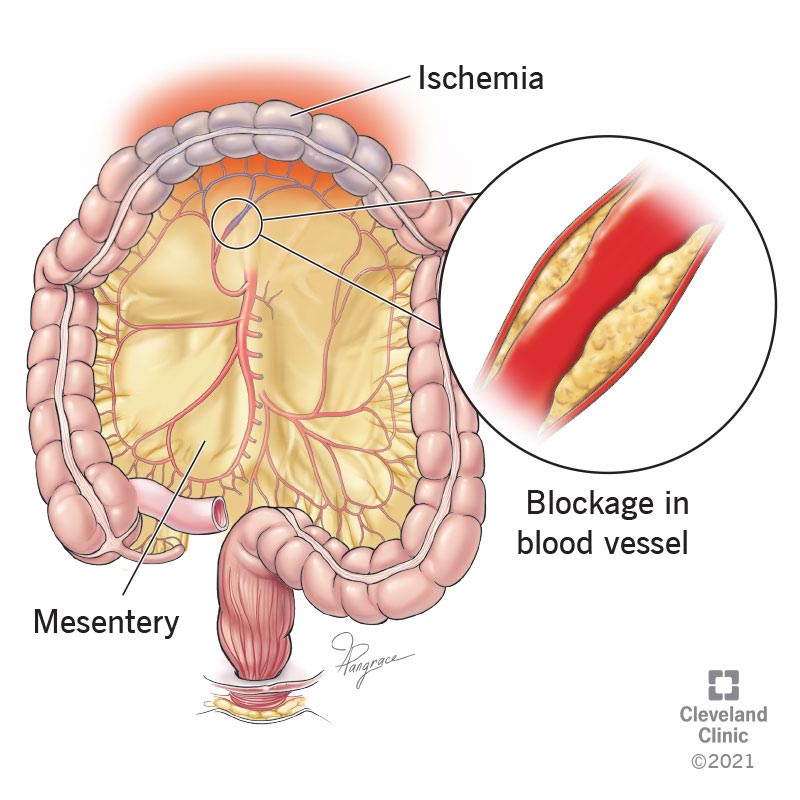
A medical emergency that nearly cost her life has prompted 55-year-old Bianca Koekebakker to sound an urgent alarm regarding a frequently overlooked vascular condition. After narrowly escaping a bowel infarction, Koekebakker’s experience highlights the dangers of chronic mesenteric ischemia, a condition where blood flow to the intestines is severely restricted over a long period.
The case is a sobering reminder that many individuals live with unexplained abdominal complaints that are often dismissed or misdiagnosed. Because the symptoms can be vague, the condition frequently goes undetected until it reaches a critical stage, potentially leading to a bowel infarction—a life-threatening event where intestinal tissue dies due to a lack of oxygenated blood.
According to reports, chronic mesenteric ischemia (CMI) is estimated to occur nearly as often as Crohn’s disease, yet it remains relatively unknown among the general public and even some medical professionals. This lack of awareness often results in delayed diagnoses, leaving patients at risk of severe complications via Headliner.
Recognizing the Warning Signs of Chronic Mesenteric Ischemia
The path to a diagnosis for CMI can be difficult because the symptoms often mimic other, more common gastrointestinal issues. But, You’ll see specific “red flag” signals that should prompt immediate medical investigation. The most characteristic signs include persistent abdominal pain that occurs specifically after eating, significant unexplained weight loss, and ongoing abdominal complaints.

When blood flow to the gut is insufficient, the digestive system cannot meet the increased demand for oxygen during the digestion process, leading to the characteristic post-meal pain. Without timely intervention, this chronic restriction of blood flow can culminate in an acute bowel infarction, a medical emergency requiring immediate surgical or radiological intervention to save the organ and the patient’s life.
Diagnostic Procedures and Medical Confirmation
Because the symptoms are non-specific, doctors rely on specialized imaging to confirm a diagnosis of chronic mesenteric ischemia. Standard physical examinations are often insufficient to detect the narrowing of the mesenteric arteries.
The diagnosis is typically confirmed through advanced imaging techniques, such as:
- CT-angiography: A detailed scan that uses contrast dye to visualize the blood vessels supplying the intestines.
- Doppler ultrasound: A non-invasive test that measures the speed and direction of blood flow through the arteries.
Treatment Options and Long-Term Management
Once a diagnosis is established, the goal of treatment is to restore adequate blood flow to the intestines to prevent tissue death and alleviate pain. The approach varies depending on the severity of the arterial blockage and the patient’s overall health.
Common medical interventions include:
- Angioplasty and Stenting: A minimally invasive procedure where a balloon is used to open the narrowed artery, and a stent is placed to keep it open.
- Surgical Bypass: A procedure to create a detour (omleiding) around the blocked section of the vessel, ensuring the intestines receive the necessary blood supply.
The case of Bianca Koekebakker underscores the necessity of increased awareness among both patients and healthcare providers. When medical professionals are attuned to the possibility of CMI, they can move more quickly from treating symptoms to identifying the underlying vascular cause, thereby preventing catastrophic outcomes like bowel infarction.
Key Takeaways for Patients
- Post-meal pain: Be vigilant if you experience abdominal pain consistently after eating.
- Weight loss: Unexplained weight loss combined with stomach issues warrants a vascular investigation.
- Advocacy: If symptoms persist despite standard GI treatments, ask your provider about mesenteric ischemia.
- Imaging: CT-angiography and Doppler tests are the primary tools for confirming this condition.
For those experiencing unexplained abdominal symptoms, the most critical next step is to consult a healthcare provider for a comprehensive vascular assessment to rule out chronic mesenteric ischemia.
World Today Journal encourages readers to share this information with others who may be experiencing unexplained digestive issues. Please exit your comments below regarding your experiences with rare medical diagnoses.