Meta and Broadcom have announced an expanded strategic partnership to co-develop multiple generations of custom AI silicon, a move designed to anchor the infrastructure required for the next era of artificial intelligence. This collaboration focuses on the evolution of the Meta Training and Inference Accelerator (MTIA), the purpose-built hardware that powers AI across Meta’s suite of applications and services.
The partnership centers on Broadcom’s XPU platform, a specialized technology for creating custom AI accelerators. By leveraging this platform, Meta aims to optimize its AI infrastructure across several silicon generations, ensuring that the hardware is precisely matched to specific workloads to balance performance with the total cost of ownership. This shift toward bespoke silicon is a critical component of Meta’s broader strategy to deliver real-time AI experiences and “personal superintelligence” to billions of users globally according to an official Meta announcement.
At the forefront of this technical rollout is the deployment of the industry’s first 2nm AI compute accelerator as reported by Broadcom. This cutting-edge process node serves as the foundation for a sustained, multi-year infrastructure expansion. Over the next three years, the two companies will collaborate on subsequent generations of AI accelerator chips to keep pace with Meta’s escalating compute demands for next-generation AI models.
The Architecture of Custom AI Silicon: MTIA and the XPU Platform
The core of this agreement is the acceleration of the MTIA roadmap. Meta has revealed plans to develop and deploy four new generations of MTIA chips within the next two years per company documentation. These chips are specifically optimized for ranking, recommendations, and generative AI workloads, allowing Meta to move away from a one-size-fits-all hardware approach.
Broadcom’s role extends beyond the silicon itself. The partnership encompasses chip design, advanced packaging, and networking. Specifically, Broadcom’s advanced Ethernet technologies will be used to enable high-bandwidth networking across Meta’s expanding AI compute clusters, ensuring that the massive amount of data required for large-scale AI training and inference can move seamlessly between chips.
This strategic pivot toward custom accelerators, or XPUs, is increasingly common among hyperscale cloud providers. By designing their own silicon, companies can optimize for their specific software stacks and data flows, rather than relying on general-purpose hardware that may carry unnecessary overhead or higher costs.
Scaling for Global Superintelligence: The Gigawatt Buildout
The scale of the infrastructure investment is significant. The agreement includes an initial commitment that exceeds 1GW, marking the first phase of a sustained, multi-gigawatt rollout according to Meta. This buildout encompasses not only the XPUs but also the supporting networking and optical chips required to maintain a cohesive computing foundation.

For Broadcom, this partnership represents a massive validation of its XPU platform. Hock Tan, President and CEO of Broadcom, stated that the company is pleased to expand the collaboration as Meta pioneers the next frontier of artificial intelligence per the official release.
Key Infrastructure Components
| Focus Area | Technical Implementation | Strategic Objective |
|---|---|---|
| Compute | 2nm AI accelerators / MTIA chips | Optimization for inference and generative AI |
| Networking | Advanced Ethernet technologies | High-bandwidth connectivity for AI clusters |
| Scale | 1GW initial phase; multi-gigawatt target | Sustained infrastructure for billions of users |
| Timeline | 4 generations of chips in 2 years | Rapid iteration of AI hardware capabilities |
Market Implications and the Shift from GPU Dependency
From a financial and market perspective, the Broadcom-Meta partnership highlights a growing trend: the employ of XPUs as a critical complement to Graphics Processing Units (GPUs). While GPUs remain essential for training the largest models, custom accelerators are often more efficient for large-scale inference—the process of running a trained model to provide answers to users.
Analysis from Morningstar suggests that this move helps large-scale inference customers achieve better performance and cost efficiency while reducing “vendor lock-in” according to their market report. By diversifying their hardware portfolio, Meta reduces its reliance on a single chip provider, granting it more leverage and flexibility in its supply chain.
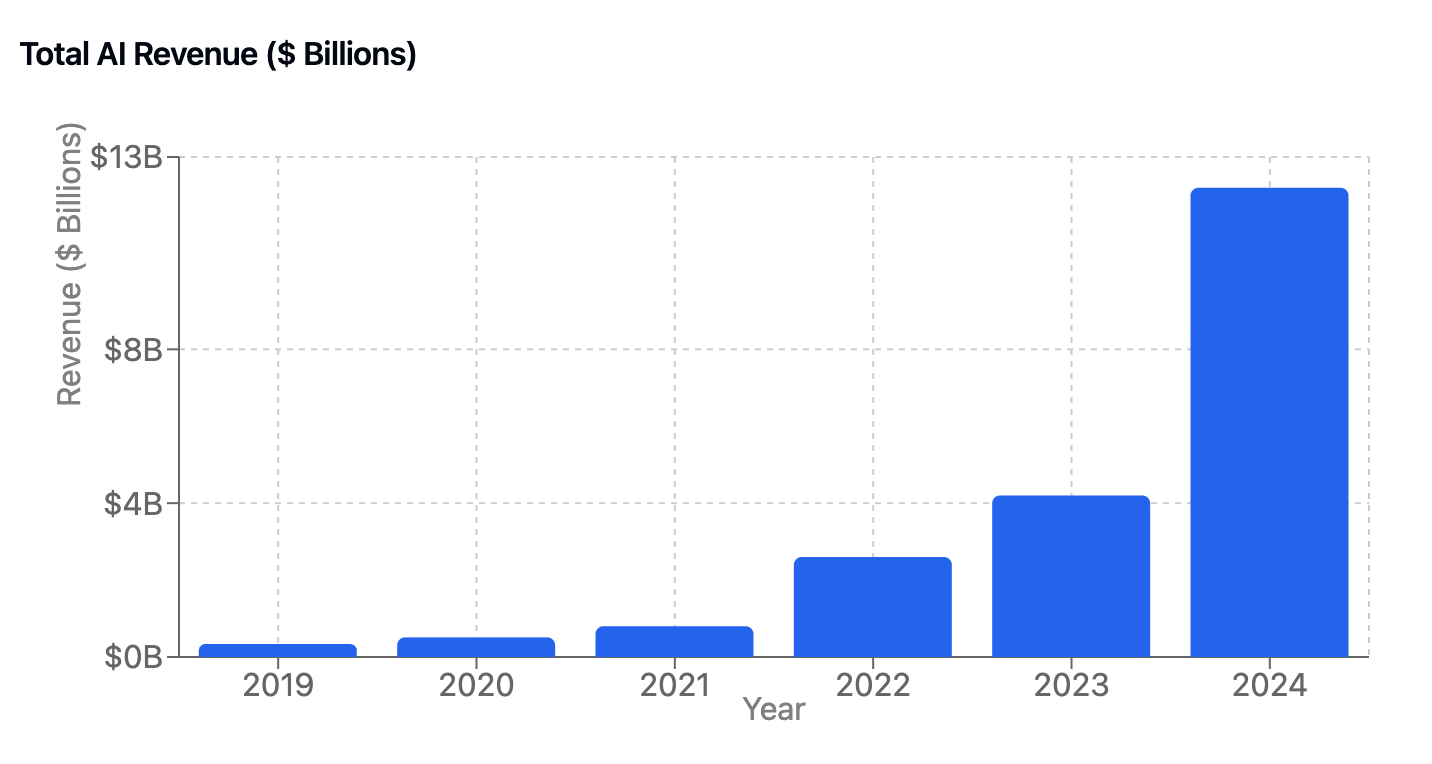
The financial outlook for Broadcom remains bullish based on these developments. Morningstar maintains a fair value estimate of $500 for Broadcom, underpinned by a forecast of 75% five-year annualized XPU revenue growth through 2030 per their analysis. It is projected that approximately 1GW of MTIA capacity will ship for Meta through 2028.
Why This Matters for the AI Ecosystem
The transition to custom silicon at this scale has three primary implications for the broader industry:

- Cost Efficiency: Custom chips eliminate the “silicon tax” of paying for general-purpose features that a specific workload (like Meta’s recommendation algorithms) does not need.
- Performance Tuning: 2nm technology allows for higher transistor density and better power efficiency, which is vital when operating data centers at a gigawatt scale.
- Infrastructure Sovereignty: By co-developing the hardware, Meta gains deeper control over its roadmap, ensuring that the chips evolve in lockstep with its AI model architectures.
This partnership is not an isolated event but part of a wider trend among tech giants. Similar moves have been noted with other major players, as the race for “superintelligence” shifts from purely algorithmic breakthroughs to the physical limits of the hardware that runs them.
As Meta continues to deploy its four new generations of MTIA chips over the next two years, the industry will be watching closely to spot how these custom accelerators impact the performance of real-time AI experiences for the billions of people using Meta’s apps. The success of this multi-gigawatt rollout will likely serve as a blueprint for other enterprises seeking to decouple their AI ambitions from general-purpose hardware vendors.
The next major milestone for this partnership will be the shipment and integration of the first 2nm accelerators into Meta’s active compute clusters. We will continue to monitor official filings and technical releases for updates on the deployment timeline.
Do you believe custom silicon will eventually replace general-purpose GPUs for the majority of AI workloads? Share your thoughts in the comments below.