For decades, the primary interface between humans and digital machines has been defined by physical contact: the click of a mouse, the tap of a finger on glass, or the strike of a key. However, as the tech industry pivots toward spatial computing and wearable augmented reality, the goal is shifting from interacting with devices to interacting with the environment itself. One of the most significant leaps in this evolution involves moving beyond visible motion and into the realm of neural intent.
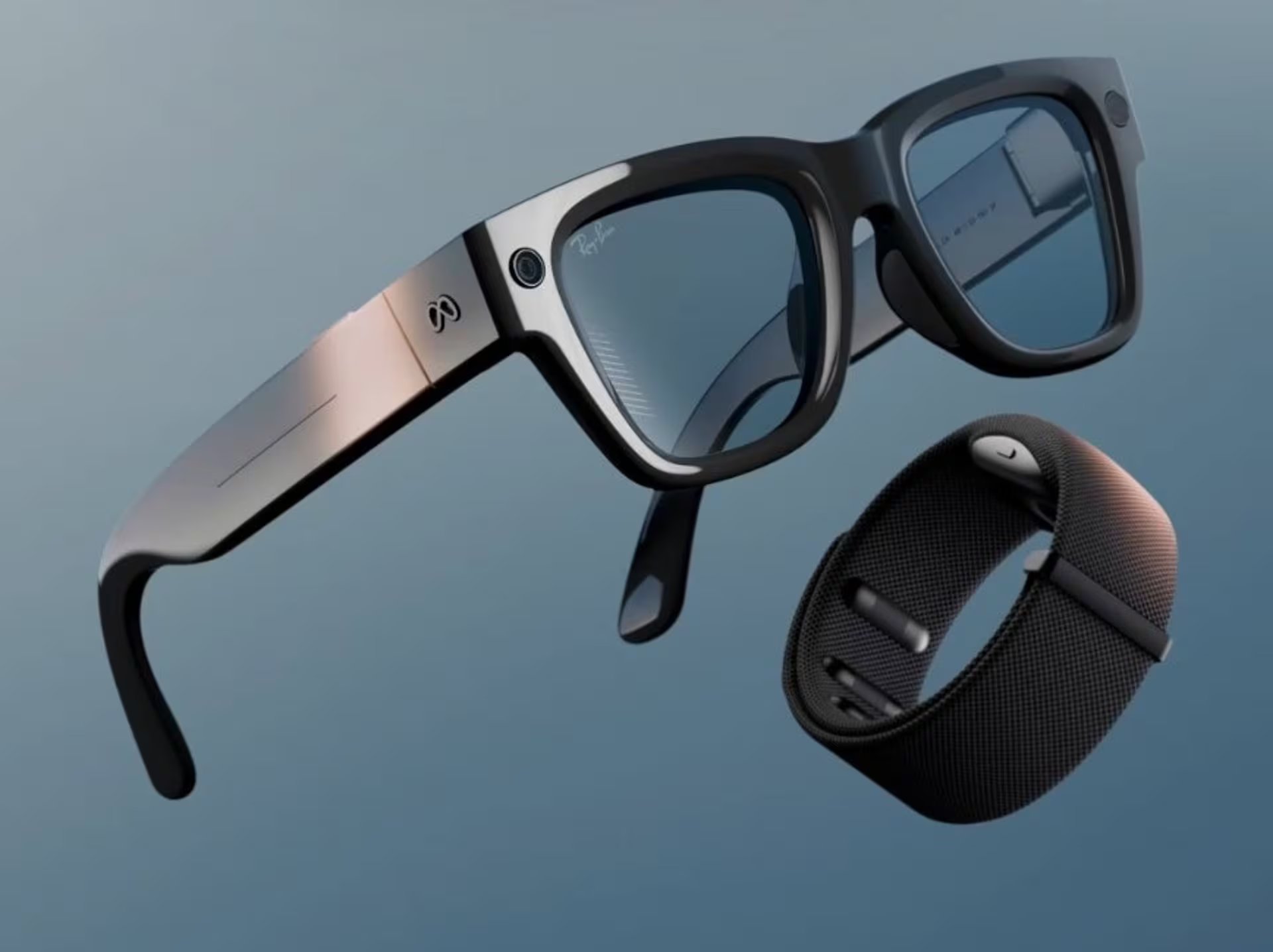
Meta, the parent company of Facebook and Instagram, is currently exploring a frontier that could render the traditional touchscreen obsolete. By combining its existing smart eyewear—specifically the Ray-Ban Meta smart glasses—with a specialized neural interface wristband, the company aims to allow users to control digital interfaces through subtle, almost imperceptible hand gestures. This technology, rooted in electromyography (EMG), seeks to translate the electrical signals sent from your brain to your muscles into digital commands, effectively allowing users to “write” or navigate menus in mid-air.
The Science of EMG: Reading Muscles, Not Just Motion
To understand how one might “write” with gestures, it is necessary to understand the underlying science of electromyography, or EMG. Traditional gesture control, such as that used in some current VR headsets, relies on optical sensors—cameras that “see” your hands moving through space. This requires large, sweeping motions that can be socially awkward or physically tiring in a real-world setting.
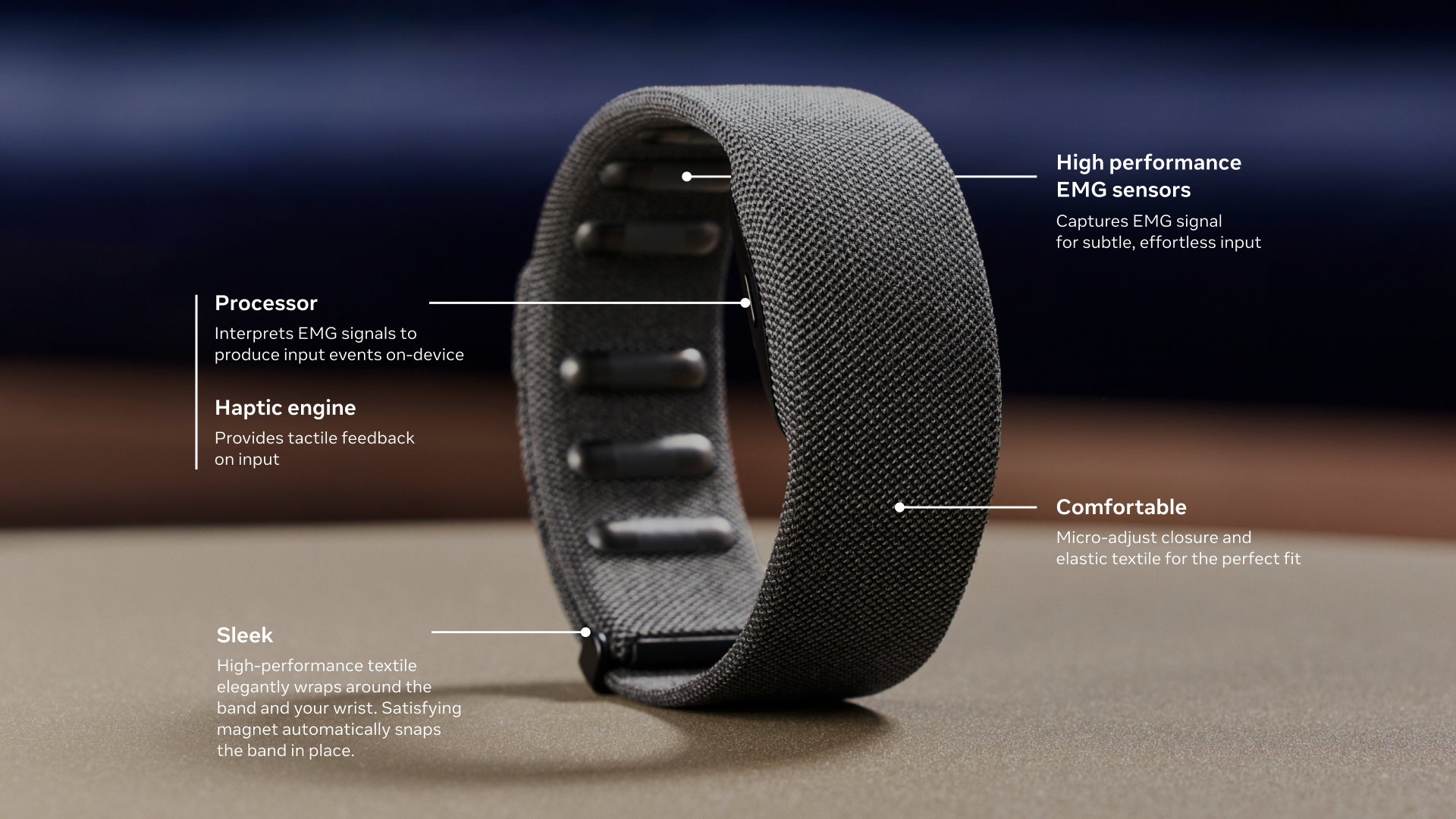
Meta’s research, conducted primarily through its Reality Labs division, focuses on a different approach: intercepting the electrical impulses that travel from the brain to the motor neurons in the wrist. When you decide to move a finger, your brain sends an electrical signal down your arm. Even if the movement is microscopic, an EMG-based wristband can detect these neuromuscular signals.
By wearing a wristband equipped with these sensors, the system can interpret “micro-gestures.” Instead of waving your arm to scroll through a feed, you might simply tap your thumb against your index finger. This level of granularity is what enables the concept of gesture-based writing, where the system interprets specific patterns of muscle contractions as keystrokes or handwriting strokes, which are then processed by the device’s AI.
Bridging the Gap: Ray-Ban Meta and the Neural Wristband
While the Ray-Ban Meta smart glasses are currently a consumer-ready product, they primarily function as an audio and camera-centric wearable. They allow users to take photos, listen to music, and interact with Meta AI via voice commands. However, the addition of a neural interface wristband would transform these glasses from a passive accessory into a highly active computing platform.
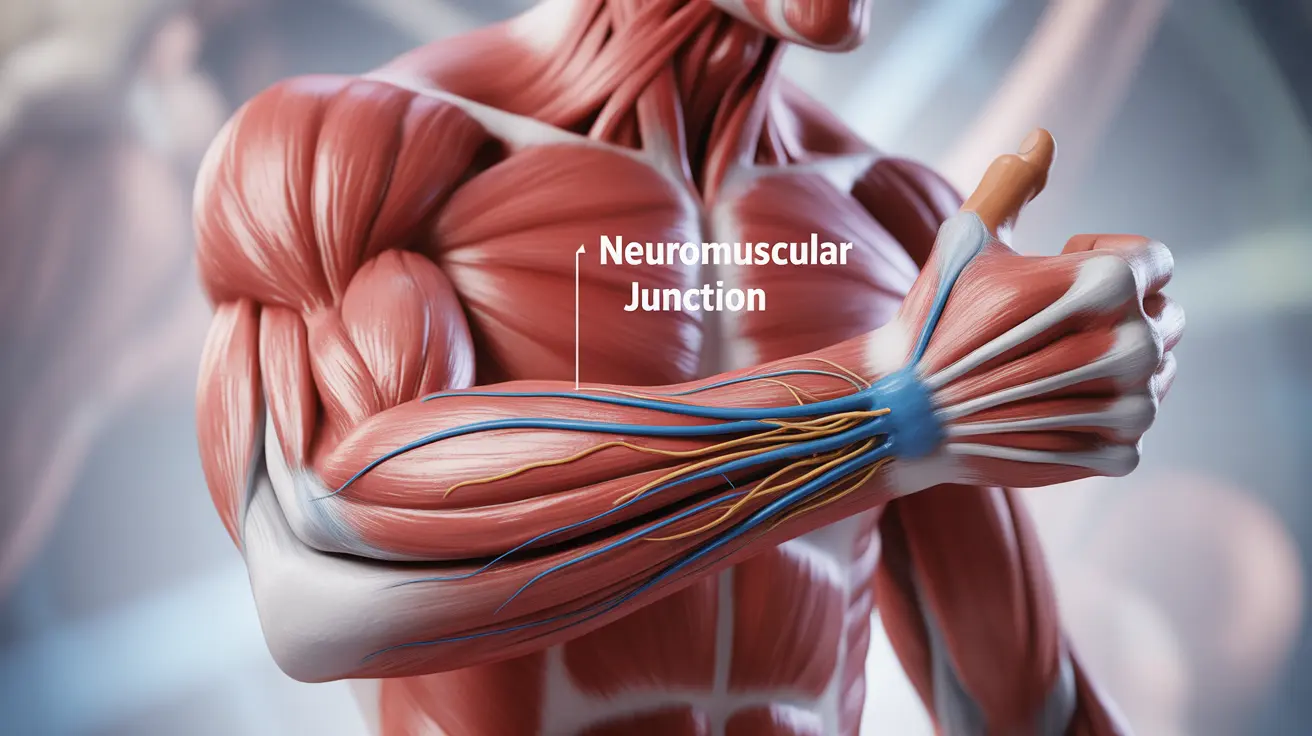
In this envisioned ecosystem, the glasses serve as the visual and auditory feedback loop. When a user performs a micro-gesture with the wristband, the glasses could potentially overlay digital information—such as a text message or a navigation prompt—onto the user’s field of vision. This creates a seamless loop: the brain initiates the intent, the wristband captures the signal, and the glasses provide the visual confirmation.
This integration is particularly relevant for the platforms Meta already dominates. Imagine being able to respond to a Messenger text or interact with an Instagram notification using only subtle finger movements while walking down a street, without ever having to reach into your pocket for a smartphone. The goal is to reduce the “friction” of digital interaction, making technology an extension of the body rather than an external tool.
The Future of Spatial Interaction: Productivity and Social Media
The implications of gesture-based writing and neural control extend far beyond simple convenience. If the accuracy of EMG technology reaches a consumer-grade threshold, it could redefine several sectors:
- Mobile Productivity: The ability to draft short emails or notes through micro-gestures could allow for “heads-up” productivity, where users remain engaged with their surroundings while staying connected.
- Immersive Gaming: In virtual or augmented reality environments, the wristband provides a level of precision that optical tracking cannot match, allowing for complex interactions that feel natural, and intuitive.
- Accessibility: For individuals with limited mobility or motor control issues, neural interfaces could provide new ways to interact with digital worlds through highly customized gesture sets.
- Social Integration: As social media moves toward more immersive formats, the ability to “like,” “comment,” or “share” via subtle gestures makes digital interaction feel less like a task and more like a natural human movement.
Challenges: Privacy, Accuracy, and the “Uncanny Valley” of Input
Despite the immense potential, the path to a neural-controlled wearable is fraught with technical and ethical hurdles. The first is accuracy. Human physiology is incredibly complex; ensuring that a “tap” isn’t misinterpreted as a “swipe” requires sophisticated machine learning models that can distinguish between intentional gestures and accidental muscle twitches.
Then, there is the significant question of privacy. EMG technology, by its very nature, involves collecting data on neuromuscular signals. While this is not “mind reading” in the science-fiction sense—the sensors are reading the signals sent to the muscles, not the thoughts in the brain—the distinction is a nuance that the public may find challenging to navigate. As Meta continues to develop these technologies, the company will face intense scrutiny regarding how neural data is stored, processed, and potentially used for advertising or behavioral profiling.
Finally, there is the social aspect. Even if gestures are “micro,” the act of performing them in public may still feel unnatural to many users. Developing a gesture language that is both highly functional and socially invisible is one of the greatest design challenges facing the next generation of wearable tech.
Key Takeaways: The Evolution of Wearable Input
| Interaction Type | Primary Input Method | Main Limitation |
|---|---|---|
| Traditional Mobile | Touchscreen / Tapping | Requires physical contact and visual focus on a screen. |
| Voice Control | Speech / Audio | Lacks privacy in public; difficult in noisy environments. |
| Optical Gesture | Hand/Arm Motion (Cameras) | Requires large, visible movements; limited by line-of-sight. |
| Neural Interface | EMG / Muscle Signals | Requires specialized hardware; complex data privacy concerns. |
As Meta continues to iterate on its Reality Labs research, the transition from “touching” to “thinking” through gestures remains one of the most watched developments in the tech industry. Whether this results in a mass-market consumer product or remains a specialized tool for enthusiasts, the move toward neural-augmented computing is clearly underway.
We will continue to monitor official announcements from Meta regarding the commercial availability of new wearable interfaces and updates to the Ray-Ban Meta ecosystem. For now, the technology remains in the critical phase of refining the bridge between human intent and digital execution.
What do you think about the prospect of controlling your devices through subtle gestures? Would you feel comfortable wearing a device that reads your muscle signals? Let us know in the comments below and share this article with your network.
Related reading