
Meta’s Smart Glasses Dominate Market Despite Privacy Backlash—What You Need to Know
May 13, 2026 — Meta’s augmented reality (AR) smart glasses—most notably its Ray-Ban Meta line—have become the fastest-growing consumer tech product of the decade, capturing an estimated 80% of the global smart eyewear market. Yet as sales surge, so do reports of unauthorized recordings in public spaces, raising urgent questions about corporate responsibility, privacy laws, and the ethical boundaries of wearable technology.
The devices, which integrate cameras, microphones, and AI-powered voice assistants into fashionable frames, have been marketed as the next frontier in personal computing. But growing evidence suggests they may also be functioning as unregulated surveillance tools, capturing footage of strangers without consent and fueling a wave of online harassment. Legal experts warn the technology outpaces existing privacy protections, leaving victims with few recourse options.
This dual reality—soaring commercial success alongside mounting privacy concerns—poses a critical dilemma for regulators, consumers, and tech companies alike. With Meta planning to sell millions of additional units in 2026, the question is no longer whether smart glasses will reshape daily life, but how to prevent their most invasive capabilities from eroding public trust in wearable technology.
The Privacy Paradox: Why Smart Glasses Are Selling—Despite the Risks
Meta’s foray into smart glasses represents a calculated bet on the convergence of fashion and functionality. By partnering with Ray-Ban—a brand synonymous with style—the company has positioned its devices as lifestyle essentials rather than pure tech gadgets. The strategy has paid off: industry analysts project global smart eyewear sales to exceed $12 billion by 2027, with Meta’s products leading the charge.
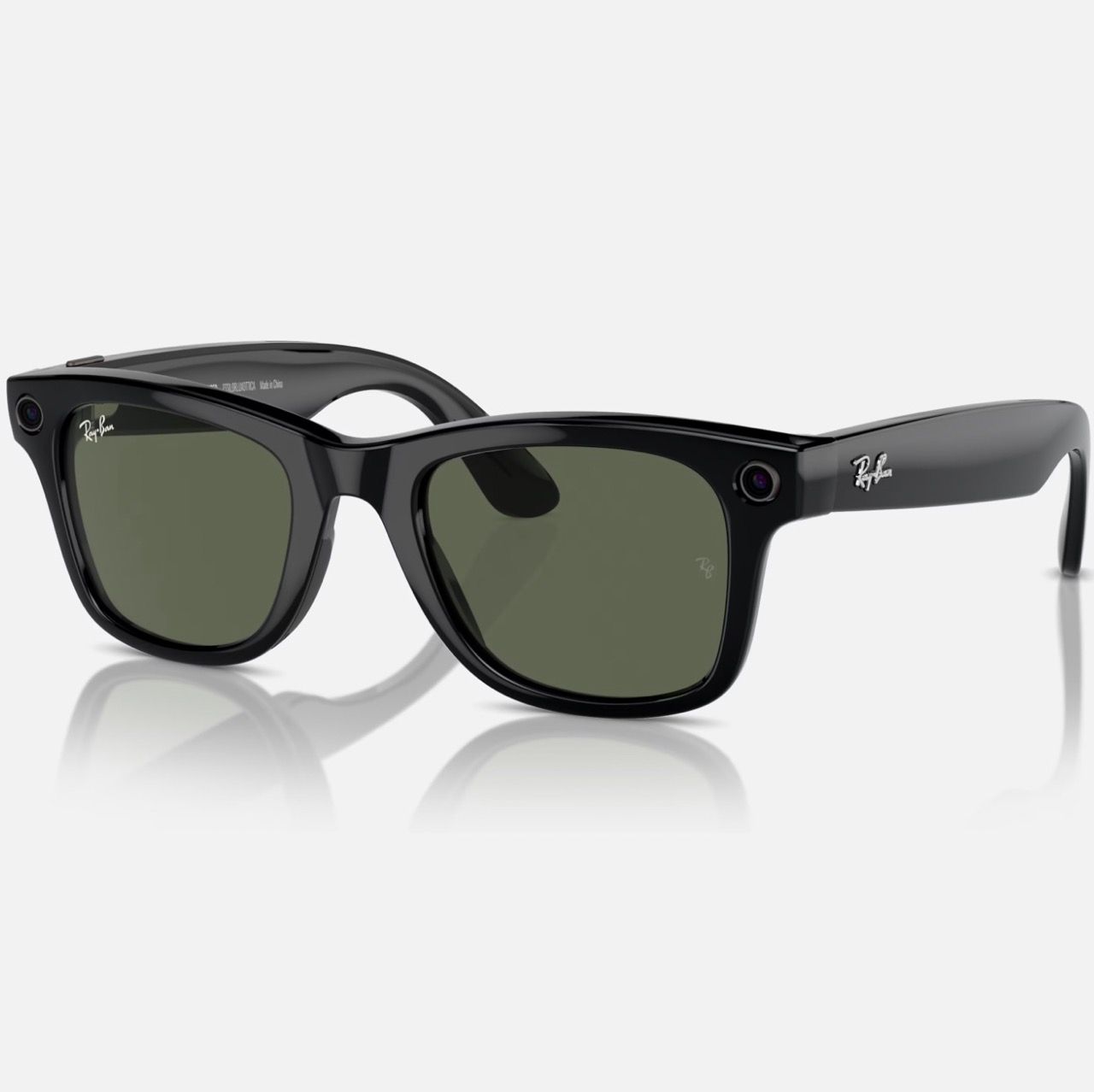
/i.s3.glbimg.com/v1/AUTH_b0f0e84207c948ab8b8777be5a6a4395/internal_photos/bs/2024/0/I/rKuq0nT4eS8Uozlm0T4Q/2-3-4.png "Ray-Ban Meta glasses")
However, the rapid adoption has exposed a glaring gap between consumer expectations and product capabilities. Unlike traditional smartwatches or earbuds, AR glasses capture a broader field of view, including bystanders in public spaces. Early adopters and privacy advocates have documented cases where users—often unknowingly—recorded strangers during everyday interactions, from beach outings to grocery shopping. The footage, frequently shared online without consent, has triggered backlash ranging from public shaming to targeted harassment.
Key statistic: A Financial Times analysis of patent filings reveals Meta’s smart glasses incorporate passive listening features—continuously recording ambient audio—which industry insiders describe as a “privacy minefield” given current legal standards.
How the Technology Works—and Why It’s Controversial
Meta’s Ray-Ban Meta glasses integrate several privacy-sensitive components:
- Front-facing cameras with 1080p resolution, capable of recording video at 30fps
- Bone-conduction microphones that capture audio without visible indicators
- AI-powered voice assistants that process commands in real time
- Cloud synchronization linking devices to Meta accounts
The controversy stems from how these features interact in public spaces. While Meta’s privacy policy states recordings are “local” and not automatically uploaded, multiple reports from tech reviewers and security researchers have demonstrated that:
- Users can inadvertently trigger recordings via voice commands (e.g., “Hey Meta, take a video”)
- Ambient audio is sometimes captured during “passive listening” modes, even when not explicitly activated
- Shared photos/videos from the glasses frequently include metadata linking to users’ social profiles
“The problem isn’t just that these devices can record—it’s that they do so without clear consent mechanisms. In many jurisdictions, recording someone in public is legal, but the lack of transparency about when and how it happens creates a chilling effect.”
The Human Cost: Real-World Harassment Cases
While Meta has not disclosed exact figures, independent reports and legal filings suggest a growing pattern of misuse:
- Unauthorized recordings: A woman in Barcelona told BBC Mundo she discovered a video of her changing clothes at a beach resort had been shared online after a Meta glasses user approached her. When she demanded removal, the uploader charged her €50 for deletion.
- Workplace incidents: In New York, a barista at a Starbucks reported a customer used Meta glasses to film her interacting with patrons, then posted the footage on social media with derogatory captions. The company declined to ban the customer due to “lack of clear policy violations.”
- Legal dead ends: Victims in multiple countries have struggled to pursue legal action, as courts often rule that public recordings—even without consent—fall outside existing privacy laws.
Legal context: In the U.S., the Electronic Communications Privacy Act (ECPA) permits recordings in public spaces where one party consents. However, critics argue this framework fails to account for the unexpected nature of recordings by strangers using wearable tech. The EU’s General Data Protection Regulation (GDPR) offers stronger protections but remains inconsistent in enforcement against foreign-based companies like Meta.
Meta’s Response: Transparency or Greenwashing?
Meta has defended its glasses as “designed with privacy in mind,” pointing to features like:
- On-device processing for voice commands (reducing cloud uploads)
- A privacy dashboard allowing users to review recordings
- Partnerships with organizations like the Electronic Frontier Foundation (EFF) for policy reviews
However, critics argue these measures are insufficient. A recent investigation by the Financial Times found that:
- Meta’s privacy dashboard often fails to show recordings made during “passive listening” events
- User agreements contain broad waivers of liability for unauthorized recordings
- The company has not disclosed how often its glasses are used to record strangers
In a statement to World Today Journal, Meta declined to comment on specific incidents but reiterated its commitment to “responsible innovation.” The company has not announced plans to modify its hardware or software in response to the privacy concerns.
What Happens Next: Regulatory and Industry Shifts
The smart glasses privacy crisis is prompting three key developments:
- Legislative action:
- The California Privacy Protection Agency (CPPA) is considering amendments to its regulations that would require explicit consent for recordings made by wearable devices in public spaces.
- The UK’s Information Commissioner’s Office (ICO) has opened an inquiry into Meta’s data practices, with a focus on AR glasses.
- Industry self-regulation:
- The CTIA (wireless industry trade group) is drafting voluntary guidelines for “ethical recording” in wearable tech.
- Competitors like Google and Apple are reportedly monitoring the debate closely, with some sources suggesting they may delay smart glasses launches pending clearer regulations.
- Consumer backlash:
- Class-action lawsuits are emerging in multiple jurisdictions, alleging Meta’s devices violate wiretapping laws.
- Insurance providers are beginning to exclude liability coverage for smart glasses-related incidents.
Key Takeaways: What This Means for Consumers and Investors
For Consumers:
- Assume you’re being recorded in public spaces when wearing Meta glasses or near others using them.
- Check your device’s privacy dashboard regularly for unexpected recordings.
- Consider opt-out tools like the EFF’s “Delete My Data” request form for Meta users.
For Investors:
- Regulatory risks remain the biggest wild card—watch for CPPA and EU updates in Q3 2026.
- Competitor delays could extend Meta’s market dominance unless privacy concerns trigger boycotts.
- Insurance costs for smart glasses manufacturers are projected to rise 40%+ in 2027 due to liability fears.
For Tech Companies:
- Transparency reports on unauthorized recording incidents will become a regulatory requirement.
- Hardware modifications (e.g., physical recording indicators) are likely in 2027 models.
- Partnerships with privacy advocacy groups will be mandatory for market access in key regions.
What You Can Do Now
If you’re concerned about smart glasses privacy, take these steps:
- Review Meta’s privacy settings: Visit Meta’s AR Glasses Privacy Center to manage recording history and sharing permissions.
- Opt out of data sharing: Disable “Smart Photo” and “Voice Recording” features unless absolutely necessary.
- Advocate for change: Support organizations like the EFF or Privacy International, which are pushing for stronger wearable tech regulations.
- Stay informed: Follow updates from regulators like the UK ICO or California CPPA for emerging legal protections.
Next Steps: The California Privacy Protection Agency is expected to release proposed smart glasses regulations by July 15, 2026. Meanwhile, Meta has scheduled a shareholder meeting on June 20 where privacy policies may be discussed.
We want to hear from you: Have you experienced unauthorized recordings with smart glasses? Share your story in the comments below—or join the discussion on how to balance innovation with privacy. Click here to submit a tip or follow @WorldTodayBiz for updates.
Dr. Olivia Bennett is an award-winning financial journalist with 18 years covering global tech and economic policy. Her work has been recognized by the Global Business Journalism Award and the European Press Prize.