
Job seekers in Switzerland’s construction sector may find opportunity in a specialized role that blends technical design with on-site coordination. A position for a Metallbaukonstrukteur—metal construction designer—is currently advertised through Randstad in Zürich, focusing on the planning and execution of architectural metalwork. The role centers on creating detailed plans for steel and metal structures although collaborating closely with architects, site managers, and external partners to ensure seamless integration into building projects.
According to the job description, core responsibilities include the conceptualization and technical planning of metal construction projects, along with clarifying engineering details in consultation with architects and construction supervisors. This aligns with industry practices where precision in metal fabrication—such as staircases, balconies, railings, and custom steel frameworks—depends heavily on early-stage coordination between design and execution teams. The emphasis on interface management reflects a broader trend in construction where delays and cost overruns often stem not from flawed design or poor workmanship, but from misaligned handoffs between disciplines like metalwork, timber, glass, and surface finishing.
Verification from industry sources confirms that such coordination challenges are well-documented in architectural metalwork. One Swiss metallbau firm notes that in many building projects, issues arise not during planning or fabrication, but due to poorly synchronized processes across materials and trades—particularly when metal, wood, glass, and surface treatments are contracted separately. These misalignments frequently result in last-minute problem-solving on-site, leading to rework, schedule delays, and increased expenses. Firms that integrate design, fabrication, and installation under a single provider report improved accuracy in scheduling, clearer accountability, and better adherence to quality and safety standards.
The advertised role through Randstad in Zürich appears structured to address exactly these pain points by placing the Metallbaukonstrukteur at the nexus of design clarification and project execution. Candidates are expected to translate architectural concepts into buildable plans, ensuring that connection details, load paths, and installation sequences are resolved before fabrication begins. This requires not only technical proficiency in CAD-based drafting and structural detailing but also strong communication skills to liaise effectively with architects, structural engineers, and site supervisors.
While the specific requirements for this Zürich-based posting are not fully detailed in the initial source, similar positions in the German-speaking construction market typically call for vocational training in metal construction, mechanical engineering, or a related technical field, supplemented by several years of experience in metalwork planning or detailing. Proficiency in industry-standard software such as AutoCAD, Tekla Structures, or SolidWorks is commonly expected, along with familiarity with Swiss and EU construction norms (e.g., SIA standards, EN 1090 for steel structures). Some employers also value knowledge of corrosion protection methods, thermal bridging principles, and sustainable material use in façade and structural applications.
Industry observers note that demand for skilled metal construction designers remains steady in urban centers like Zürich, where architectural innovation often features exposed steel, glass balustrades, and prefabricated metal modules. Projects ranging from residential high-rises to public infrastructure and cultural buildings frequently rely on customized metal solutions that must meet both aesthetic ambitions and strict performance criteria. The Metallbaukonstrukteur acts as a critical translator—converting visionary design into precise, fabricable, and installable components.
Role and Responsibilities in Architectural Metalwork
The core function of a Metallbaukonstrukteur involves more than drafting. it encompasses technical problem-solving at the intersection of design intent and manufacturability. When an architect proposes a cantilevered balcony or a complex stair geometry, the metal construction designer must assess structural feasibility, select appropriate profiles and connection types, and produce shop drawings that fabricators can follow with minimal ambiguity. This process often includes coordinating with structural engineers to verify load distributions and with façade specialists to ensure compatibility with cladding or glazing systems.
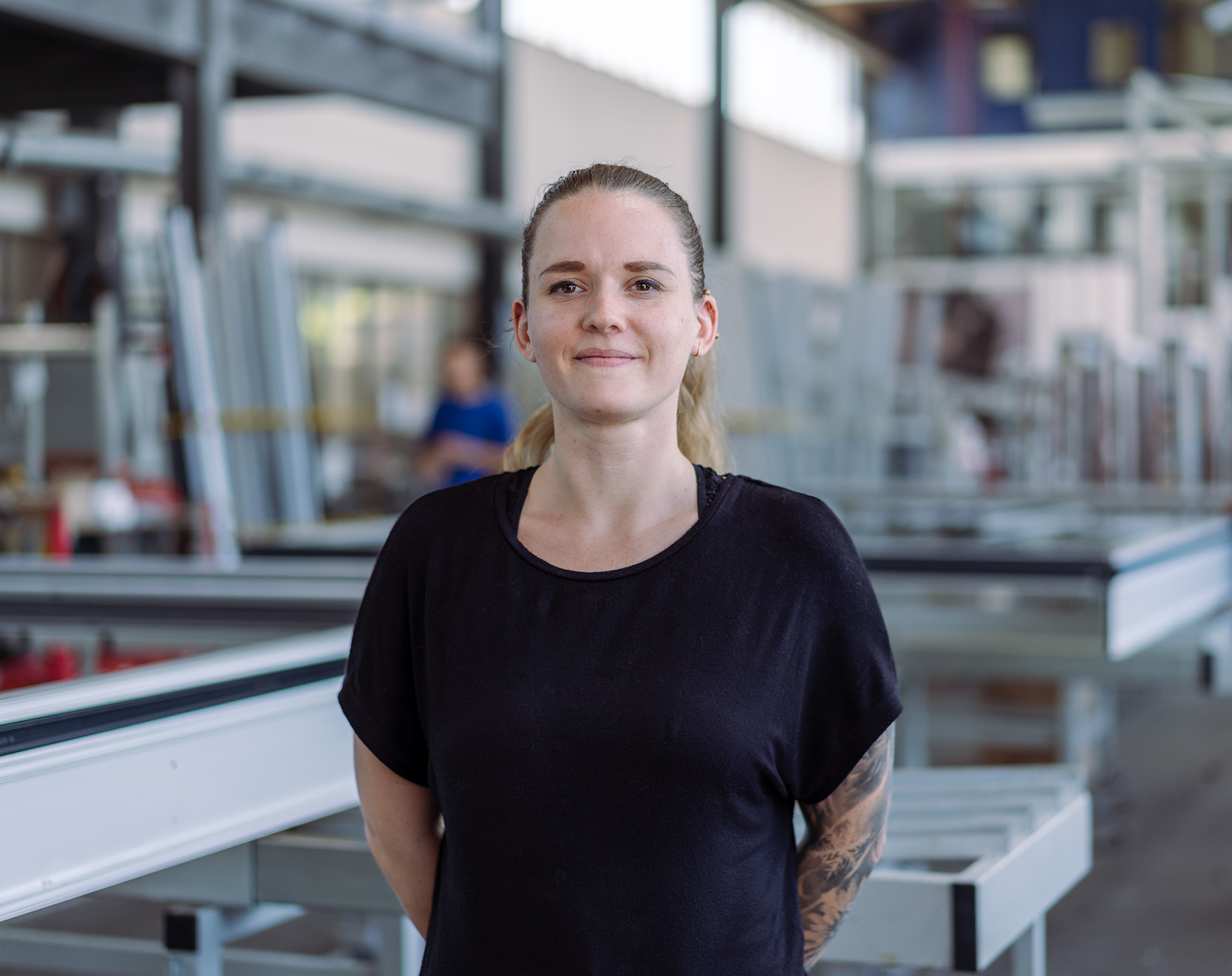
Equally vital is the role in pre-construction coordination. By engaging early with architects and bouwleiders (site supervisors), the Metallbaukonstrukteur helps prevent common issues such as mismatched delivery sequences, unclear attachment points to primary structures, or conflicts with mechanical, electrical, and plumbing (MEP) routings. In projects where metal elements interface with timber frames or glass panels—common in modern Swiss construction—these early clarifications are essential to avoid costly modifications during installation.
Some firms head further by offering integrated services that cover not only design and fabrication but also surface treatment (e.g., powder coating or galvanizing) and final installation. This end-to-end approach, highlighted by certain Swiss and German metallbau contractors, reduces reliance on multiple subcontractors and improves timeline predictability. For the Metallbaukonstrukteur, working within such a model means having clearer oversight of how design decisions impact production timelines and installation logistics.
Industry Context: Why Coordination Matters
The challenges associated with poorly coordinated metalwork are not theoretical. Industry reports and contractor testimonials consistently point to interface gaps as a leading cause of delays and budget overruns in commercial and residential construction. When metal, wood, glass, and finishing trades are managed separately, the risk increases that critical details—such as how a steel balcony connects to a concrete slab or how a glass railing is sealed against weather—are only resolved during on-site assembly, often requiring improvisation.
This reactive approach contrasts sharply with the ideal of front-loaded coordination, where all relevant parties agree on tolerances, installation methods, and inspection criteria before any material is cut or welded. Firms that adopt this methodology report fewer change orders, smoother site logistics, and higher client satisfaction. In high-profile architectural projects—where exposed metalwork is often a design feature—such precision is not just operational but reputational.
In Zürich and other Swiss cities, where construction standards are exceptionally high and public scrutiny intense, the ability to deliver metalwork that is both visually refined and technically sound carries significant weight. Clients and architects increasingly seek partners who can guarantee not only craftsmanship but also process reliability—from initial concept to final handover.
Skills and Qualifications for the Role
While the exact criteria for the Randstad-listed position in Zürich are not specified in the source, typical expectations for a Metallbaukonstrukteur in the DACH region (Germany, Austria, Switzerland) include a completed apprenticeship in metal construction (Metallbauer/in) or a technical diploma in mechanical engineering, construction technology, or a related field. Many professionals in this role also pursue additional certifications in CAD/CAM systems or structural detailing.
Proficiency in 3D modeling software is often essential, enabling designers to detect clashes between metal components and other building systems before fabrication begins. Knowledge of material properties—such as the behavior of stainless steel versus carbon steel under load or in corrosive environments—is equally important, particularly when specifying finishes or connection methods. Understanding of fire resistance ratings, acoustic performance, and thermal efficiency may also be relevant depending on the project type.
Beyond technical skills, employers emphasize communication abilities, organizational discipline, and a proactive approach to problem-solving. The role frequently requires mediating between design aspirations and practical constraints, making diplomacy and clarity as valuable as technical expertise. Fluency in German is typically required for positions in Zürich, with English or French considered advantageous for international projects.
Location and Market Context: Zürich’s Construction Sector
Zürich remains one of Switzerland’s most dynamic construction markets, driven by urban renewal, infrastructure modernization, and sustained demand for residential and commercial space. The city’s strict zoning laws, high land values, and emphasis on architectural quality mean that projects often involve complex façades, innovative structural systems, and high-performance building envelopes—all areas where specialized metalwork plays a key role.
Recent developments in Zürich’s built environment include the renovation of historic districts with contemporary insertions, the expansion of public transit hubs, and the construction of energy-efficient office and laboratory buildings. Many of these projects feature exposed steel structures, custom metal façades, or intricate interior metalwork—elements that benefit from early and precise coordination by a skilled Metallbaukonstrukteur.

The presence of staffing agencies like Randstad in advertising such roles reflects the competitive nature of the local labor market, where firms seek to quickly fill niche technical positions to maintain project momentum. For professionals with the right blend of design sensitivity and engineering rigor, opportunities in Zürich’s metal construction sector offer both stability and the chance to contribute to visually striking, technically demanding work.
As of the date of this article, no further details about the specific Randstad posting—such as application deadline, salary range, or reporting structure—are available in verified sources. Candidates are advised to consult the official Randstad Switzerland website or contact their Zürich office directly for the most accurate and up-to-date information regarding the Metallbaukonstrukteur position.
Conclusion
The advertised role for a Metallbaukonstrukteur in Zürich through Randstad represents more than a routine job opening—it reflects a growing recognition of the importance of integrated planning in architectural metalwork. By positioning the designer as a central coordinator between architects, engineers, and construction teams, the role aims to mitigate one of the most persistent sources of inefficiency in building projects: poor communication across disciplinary boundaries.
For individuals with a background in metal construction, technical detailing, or related engineering fields, this opportunity offers a chance to apply specialized skills in a market known for its high standards and innovative architecture. Success in the role depends not only on technical accuracy but also on the ability to foster collaboration, anticipate conflicts, and ensure that metal elements are not just fabricated correctly—but delivered, installed, and integrated seamlessly into the built environment.
Those interested in pursuing this or similar positions are encouraged to verify current listings through official channels, tailor their applications to highlight both technical proficiencies and collaborative experience, and stay informed about evolving standards in Swiss construction practices. As metal continues to play a defining role in modern architecture—balancing strength, transparency, and design flexibility—the professionals who shape its application will remain essential to the industry’s advancement.
Have you worked in metal construction design or coordination? Share your experience in the comments below—what challenges have you faced, and how did you overcome them? If you found this overview useful, consider sharing it with colleagues or peers in the architecture, engineering, or construction fields who might benefit from understanding the evolving role of the Metallbaukonstrukteur in today’s building projects.
Worth a look