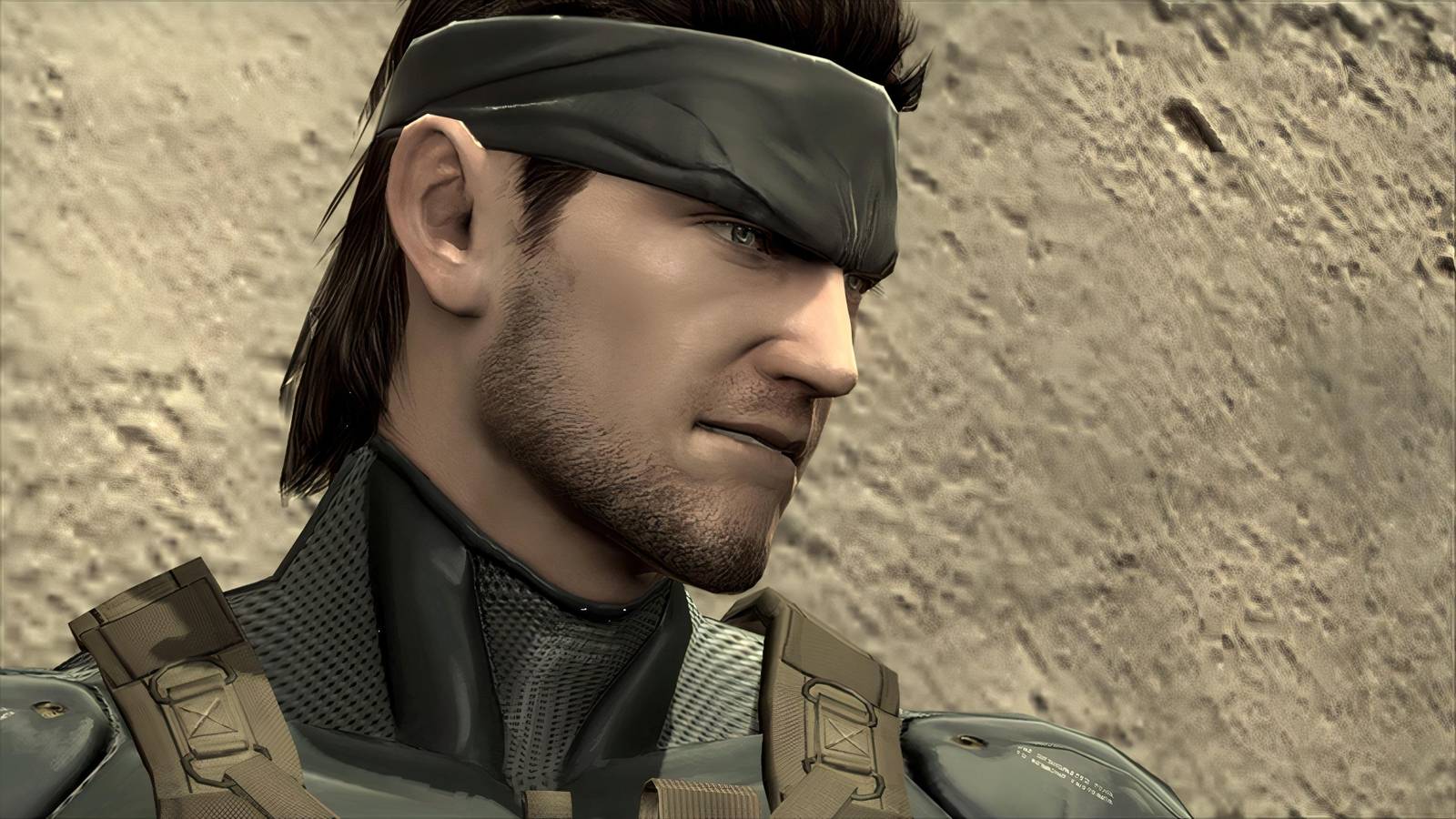
metal Gear represents a landmark achievement in the stealth action genre, consistently pushing boundaries since its inception. It’s a franchise celebrated for its intricate narratives, compelling characters, and innovative gameplay mechanics.
The original Metal Gear (1987) for the MSX2 laid the foundation, introducing players to Solid snake and the core concept of infiltration.You were tasked with rescuing a kidnapped scientist and preventing a nuclear launch.This initial installment, while rudimentary by today’s standards, established the series’ penchant for espionage and tactical gameplay.
Metal Gear 2: Solid Snake (1990), also for the MSX2, significantly expanded upon the original. It refined the stealth mechanics, introduced a more complex storyline, and featured a memorable antagonist in Gray Fox. I’ve found that this game is frequently enough overlooked, but it’s crucial to understanding the evolution of the series.
The breakthrough came with Metal Gear Solid (1998) on the PlayStation. this title revolutionized the genre with its cinematic presentation, 3D graphics, and immersive storytelling. You experienced a gripping narrative centered around Solid Snake infiltrating Shadow Moses Island to neutralize a rogue Metal Gear REX.
Here’s what makes Metal Gear Solid so impactful:
* Cinematic storytelling: The game employed innovative camera angles and cutscenes, blurring the lines between gameplay and film.
* Stealth Focus: It emphasized non-lethal tactics, rewarding players for avoiding confrontation.
* Psychological Depth: The characters were complex and morally ambiguous, adding layers to the narrative.
* Boss battles: Each boss encounter was a unique challenge, often requiring unconventional strategies.
Subsequent entries continued to innovate. Metal Gear Solid 2: Sons of Liberty (2001) challenged player expectations with its meta-narrative and exploration of themes like control and manipulation. Metal Gear Solid 3: Snake Eater (2004) took the series back to its roots, offering a Cold War-era survival experience with a focus on camouflage and close-quarters combat.
Metal Gear Solid 4: Guns of the Patriots (2008) brought Solid Snake’s story to a dramatic conclusion, tying up loose ends and delivering a visually stunning experience. Metal Gear Solid: Peace Walker (2010) and Metal Gear Solid V: The Phantom Pain (2015) experimented with open-world gameplay and base-building mechanics, offering players unprecedented freedom.
The franchise is known for its recurring themes. These include the dangers of nuclear proliferation, the nature of war, and the complexities of identity. Hideo Kojima’s signature style-characterized by lengthy cutscenes, philosophical monologues, and quirky humor-is integral to the Metal Gear experience.
Throughout the series, you’ll encounter iconic characters like Revolver Ocelot, Big Boss, and Psycho Mantis. Their motivations and relationships drive the overarching narrative, creating a rich and engaging world. The series’ impact
Worth a look