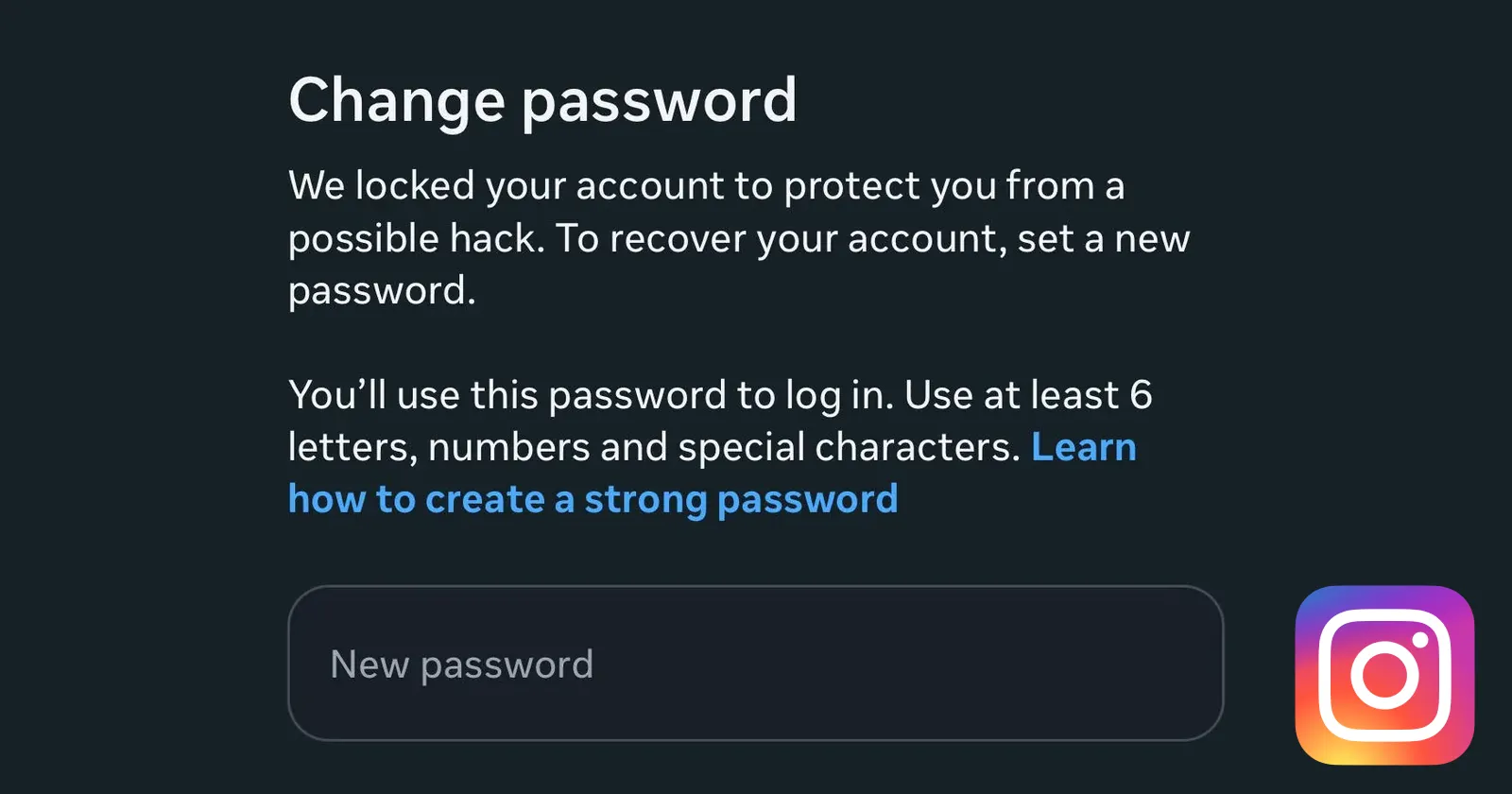
Meta has patched a security vulnerability in its AI-assisted Instagram account recovery system that potentially allowed attackers to reset passwords for more than 20,000 accounts. The flaw, discovered within the automated workflow designed to assist users who lose access to their profiles, enabled unauthorized password resets before Meta implemented a technical fix.
The vulnerability specifically targeted the platform’s artificial intelligence-driven recovery process. This system is intended to provide a seamless way for legitimate users to regain access to their accounts when traditional methods, such as email or SMS verification, are unavailable. However, a bug in the logic of this AI-assisted workflow allowed malicious actors to bypass standard security checks and trigger unauthorized password resets.
Meta confirmed that the issue has been resolved. While the company has addressed the underlying technical flaw, the scale of the exposure—affecting over 20,000 Instagram accounts—highlights the growing risks associated with integrating automated AI systems into critical security infrastructure.
How the Instagram AI recovery flaw functioned
The flaw existed within the specific logic used by Meta’s AI to verify identity during the account recovery process. In standard recovery scenarios, a user typically provides proof of identity through a secondary device, a recovery email, or a linked phone number. When these methods fail, Instagram’s AI-assisted workflow steps in to evaluate the user’s request through alternative data points, such as biometric video selfies or behavioral patterns.
According to reports regarding the vulnerability, attackers were able to exploit weaknesses in how the AI processed these identity signals. By manipulating the inputs or the automated decision-making loop, unauthorized users could convince the system that they were the legitimate owners of the targeted accounts. Once the AI validated the fraudulent request, the system proceeded to allow a password reset, granting the attacker full control over the account.
This type of vulnerability is often categorized as a logic flaw. Unlike a traditional software bug that might cause a system to crash, a logic flaw allows a system to function exactly as programmed but with unintended, insecure outcomes. In this case, the AI performed its task of “helping” a user recover an account, but it failed to distinguish between a legitimate user in distress and an attacker executing a scripted exploit.
The scope of the 20,000-account breach
Meta’s internal investigation identified that more than 20,000 Instagram accounts were likely compromised due to this specific bug. While the company has not released a comprehensive list of the specific accounts affected, the figure represents a significant breach of user trust and a substantial failure in the platform’s automated defense mechanisms.

The impact of such a breach extends beyond simple loss of access. When an attacker successfully resets an Instagram password, they gain access to private direct messages, personal photos, and linked account information. Furthermore, compromised accounts are frequently used to launch secondary attacks, such as spreading phishing links to the account holder’s followers or attempting to access linked Facebook profiles and advertising accounts.
Security researchers note that the number of affected accounts is a critical metric for understanding the efficiency of the exploit. A breach of this scale suggests that the flaw was not a mere edge case but a repeatable vulnerability that could be leveraged by attackers targeting specific demographics or high-value accounts.
Meta’s response and security remediation
Upon discovering the flaw, Meta moved to patch the vulnerability within its AI-assisted recovery workflow. The company’s engineering teams worked to tighten the validation requirements that the AI uses to confirm identity, ensuring that the automated process cannot be easily bypassed through the same manipulation techniques used by attackers.
Meta has stated that the fix is now live. The company’s primary focus following the discovery was to stabilize the recovery process and prevent any further unauthorized password resets. While Meta has addressed the technical root cause, the incident underscores the complexities of maintaining security in a system that relies heavily on automated, non-deterministic AI models.
The company is also expected to review its incident response protocols for AI-driven features. As social media platforms increasingly rely on machine learning to handle user requests at scale, the ability to detect and remediate “AI-logic” vulnerabilities becomes a central component of the platform’s overall security posture.
Security best practices for Instagram users
While Meta has addressed the specific bug, the incident serves as a reminder that no automated system is entirely infallible. Users can take several proactive steps to secure their Instagram accounts against both AI-driven exploits and traditional hacking methods.

- Enable Two-Factor Authentication (2FA): This remains the most effective defense. Even if an attacker successfully resets your password, they will still need a second form of verification—such as a code from an authenticator app or a physical security key—to gain access.
- Use an Authenticator App: Whenever possible, choose an app like Google Authenticator or Duo instead of SMS-based 2FA. SMS codes can be intercepted through SIM-swapping attacks, whereas authenticator apps are tied directly to your physical device.
- Monitor Login Activity: Regularly check your “Login Activity” in the Instagram settings menu. This tool shows you every device and location currently logged into your account. If you see a device or location you don’t recognize, log it out immediately and change your password.
- Update Recovery Information: Ensure your recovery email and phone number are current and secured with their own strong, unique passwords and 2FA.
- Be Wary of Phishing: Attackers often use compromised accounts to send malicious links to friends and family. If a contact sends you a suspicious link or an unusual request, verify it through a different communication channel before clicking.
Frequently Asked Questions
Was my Instagram account affected by this bug?
Meta has not released a public list of affected usernames. However, if you have not experienced an unauthorized password reset or noticed suspicious activity in your account settings, it is unlikely your account was part of the 20,000 affected by this specific flaw.
How does AI-assisted recovery work?
This feature uses machine learning to verify a user’s identity when they can’t use standard methods like email or SMS. It might analyze video selfies, facial recognition, or patterns in how you typically interact with the app to confirm you are the rightful owner.
What should I do if I suspect my account has been hacked?
If you can still log in, change your password immediately and enable Two-Factor Authentication. If you have been locked out, use the official Instagram Help Center to follow the account recovery steps provided by the platform.
Meta is expected to provide further updates on its security protocols as it continues to refine its AI-driven user services. Users should remain vigilant and keep their security settings updated.
Do you have concerns about AI security on social media? Share your thoughts in the comments below and share this article to help keep your network informed.
Related reading